
Why Natural Healing for Animals Offers Safer First-Aid

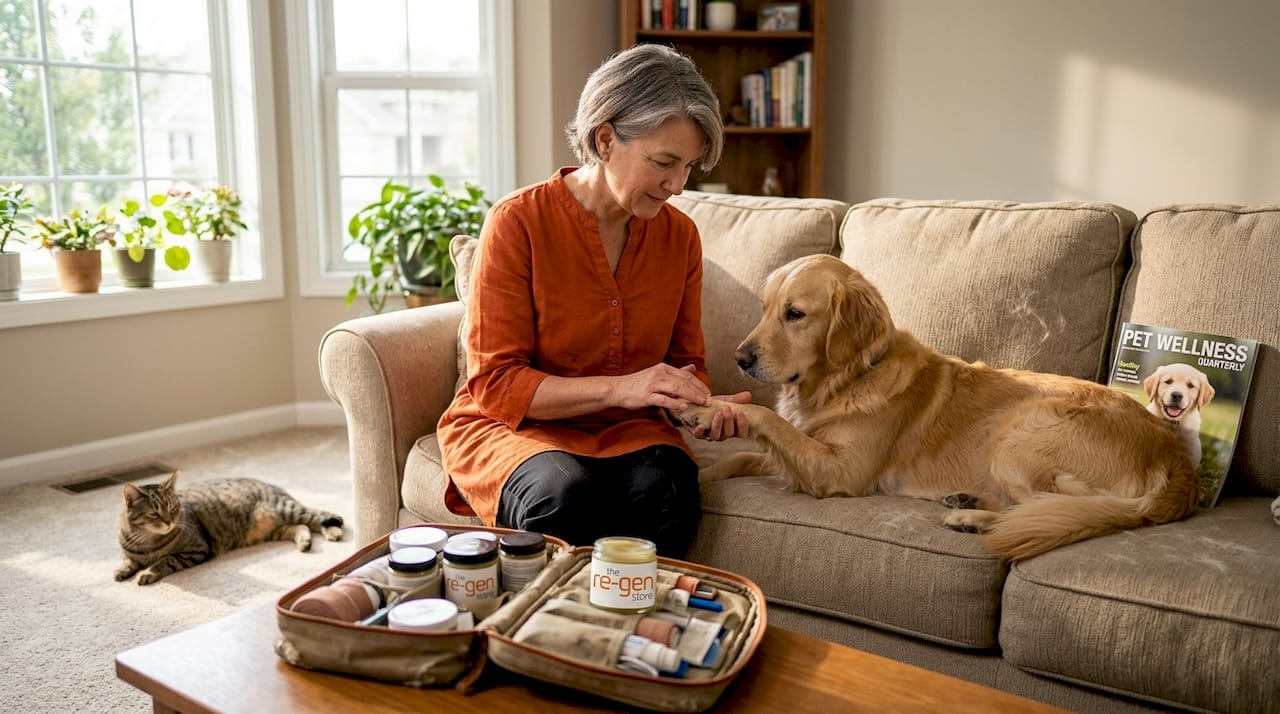
Many pet owners reach for the medicine cabinet the moment their dog scrapes a paw or their cat gets a hot spot. The fear is understandable: you want your animal to heal fast, and conventional products feel familiar and reliable. But the assumption that pharmaceuticals are always the strongest option is starting to shift. Herbal mixtures have outperformed conventional liver treatments in dogs within just 14 days, improving clinical, lab, and tissue markers across the board. Natural first-aid for animals is no longer fringe thinking. It’s becoming evidence-supported practice.
Table of Contents
Key Takeaways
Point | Details |
Evidence backs select herbs | Studies now show some herbal mixtures can outperform standard drugs in specific animal injuries. |
Holistic as a complement | Natural healing works best alongside, not instead of, conventional medicine for pets. |
Reduced side effect risk | Integrative natural options can lower reliance on antibiotics and minimize adverse reactions. |
Vet guidance essential | Consult your veterinarian to ensure safe, effective use of natural remedies for your pet. |
The science behind natural healing for animals
Now that we’ve set the stage, let’s explore what science really says about natural healing for pets.
The evidence is still growing, but it’s already more solid than many people expect. Researchers are documenting specific herbs, compounds, and therapies that produce measurable results in animals. This isn’t anecdote. These are controlled studies with clinical outcomes.
Natural approach | Condition studied | Result vs. conventional |
Curcuma longa + pomegranate | Liver damage in dogs | Superior recovery in 14 days |
Propolis | Wound healing in small animals | Comparable antimicrobial effect |
Ozone therapy | Post-operative wounds | Faster tissue regeneration |
Light therapy (photobiomodulation) | Soft tissue injuries | Reduced inflammation, quicker repair |
The data from that liver study is particularly striking. Curcuma longa and pomegranate outperformed ORNIPURAL, a conventional veterinary drug, across multiple markers including ultrasound and histopathology readings. That’s not a minor result. It tells us that for certain conditions, specific plant compounds can do more than standard pharmaceuticals.
“Natural therapies should not be dismissed as placebo. When tested rigorously, some herbal compounds demonstrate outcomes that rival or exceed those of conventional veterinary drugs under the same controlled conditions.”
Of course, the evidence base has gaps. Not every herb has been studied in every animal species. Dosing standards are still being established. Some studies use small sample sizes. So the honest position is this: some natural approaches are backed by strong data, others need more research, and you’ll find evidence-based examples for pets helpful when evaluating what’s appropriate for your situation. Understanding why natural healing matters in a broader context gives you the framework to make smarter choices.
How natural methods promote healing and reduce risks
But how do these natural methods actually help animals heal, and what sets them apart from standard drug-based treatments?
When you apply a plant-based ointment or use ozone therapy on a wound, you’re not just masking symptoms. These therapies work at the tissue level. Ozone, light therapy, and herbs have been shown to control microbial growth, stimulate collagen production, and promote active tissue regeneration in small animal wounds. That’s a fundamentally different mechanism from most pharmaceuticals, which primarily suppress infection or inflammation rather than actively building new tissue.
Here’s how the key natural mechanisms break down:
Collagen stimulation: Compounds like propolis and certain plant oils signal the body to produce more collagen, speeding up structural repair at wound sites.
Microbial control: Ozone and herbal antimicrobials kill or inhibit harmful bacteria without creating the resistance patterns associated with antibiotic overuse.
Immune support: Adaptogenic herbs and antioxidants reduce oxidative stress, helping the immune system respond more efficiently rather than going into overdrive.
Reduced inflammation: Natural anti-inflammatories work more gently on tissue than synthetic versions, lowering the risk of tissue thinning or delayed healing.
Fewer systemic side effects: Because these treatments are applied topically or used locally, they rarely create the gastrointestinal or organ-related side effects that oral antibiotics can cause in dogs and cats.
One of the biggest practical benefits is reduced antibiotic reliance. Antibiotic resistance is a real veterinary concern. Every time your pet receives an antibiotic for a wound that could have been managed topically with a natural antimicrobial, you’re adding to a cumulative resistance load. Natural approaches side-step this entirely for minor injuries.
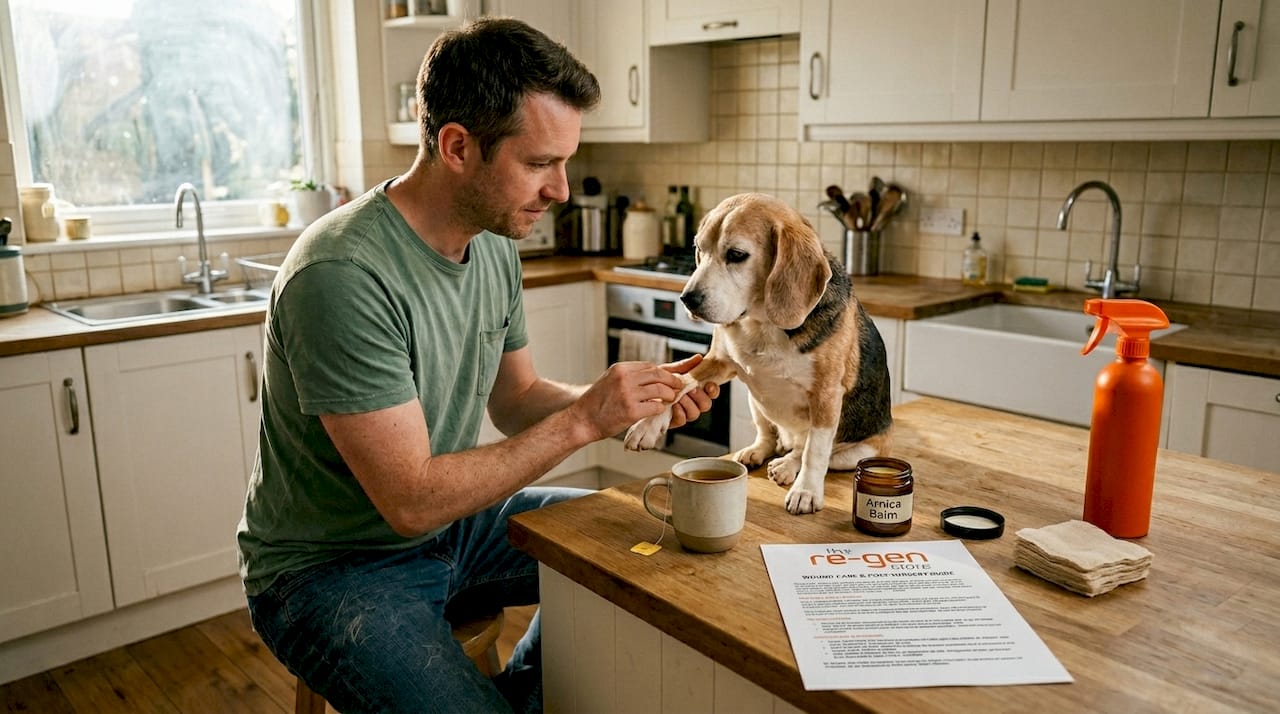
Pro Tip: When using a plant-based topical on a pet wound, always apply to a clean, dry area. Moisture trapped under any ointment, natural or otherwise, can slow healing and invite bacterial growth. A gentle saline rinse before application is a simple, safe prep step.
Exploring plant-based recovery methods gives you a clearer picture of what specific ingredients to look for. You’ll also find practical guidance in these natural recovery tips to support faster results at home.
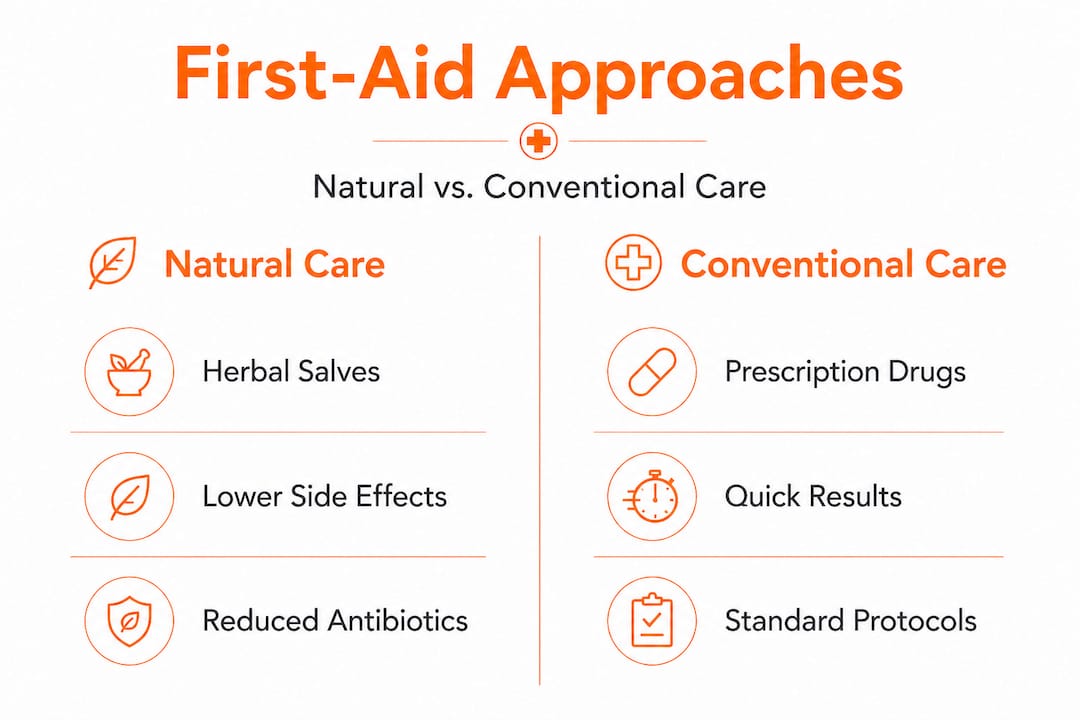
Important limitations and controversies of holistic animal care
Despite the promise of natural solutions, not every situation is well served by alternative-only care. Here’s where nuance matters.
Holistic veterinary care has passionate advocates and equally firm critics. Both sides make valid points, and understanding them protects your pet.
When conventional care is non-negotiable:
Vaccines: No herbal protocol replaces core vaccines. Canine parvovirus, feline distemper, and rabies require immunization. Period.
Acute bacterial infections: A deep wound with signs of spreading infection, fever, or discharge needs antibiotics, not herbs alone.
Surgical conditions: Orthopedic injuries, internal bleeding, or intestinal obstruction require surgery. Delaying for natural treatment can cause permanent damage or death.
Parasite infestations: Heartworm, serious flea infestations, and intestinal parasites need targeted medical treatment, not just supportive herbal care.
Holistic vets themselves acknowledge that integration with conventional medicine is essential. Rigidity, meaning refusing vaccines or antibiotics when genuinely needed, creates real harm. That’s not a fringe concern. It’s a documented risk.
Scenario | Best approach | Natural role |
Minor cut or scrape | Natural first-aid appropriate | Primary treatment |
Hot spot or mild skin irritation | Natural + monitoring | Primary with vet check if worsening |
Acute deep wound infection | Conventional antibiotics needed | Supportive only |
Post-surgical wound | Integrative | Natural supports conventional recovery |
Broken bone or torn ligament | Surgical or orthopedic care | Adjunct support during recovery |
Critics of alternative veterinary medicine also note that some proponents overstate benefits while downplaying evidence gaps. This is a fair criticism. Some natural products are marketed with claims that outpace the available science. The solution isn’t to reject natural care entirely. It’s to apply the same critical thinking to natural products that you’d apply to pharmaceuticals. Ask for ingredients. Look for dosing guidance. Check whether any studies have been done on your pet’s species.
For a practical overview of how to combine these approaches wisely, the holistic wound care guide is a useful starting point.
Practical tips for using natural first-aid for pets
Understanding risks and strengths is vital, so how can you make smart, practical choices for your pet’s everyday first-aid?
For everyday injuries like minor cuts, scrapes, and hot spots, natural first-aid is both appropriate and effective when done correctly.
Step-by-step natural first-aid for minor wounds:
Rinse the area with clean water or saline to remove debris. Avoid hydrogen peroxide, which can damage healthy tissue.
Assess the wound carefully. If it’s deeper than the skin surface, actively bleeding after five minutes of gentle pressure, or shows swelling and heat, contact your vet.
Apply a clean, plant-based topical with known wound-supporting ingredients. Look for formulas that include anti-inflammatory botanicals and antimicrobial compounds.
Keep the area accessible for monitoring. Bandaging too tightly can cut off circulation. Loose, breathable covering works better for most surface wounds.
Check twice daily. Signs of worsening include increased redness spreading outward, odor, pus, or your pet showing pain on touch.
When selecting natural products, species-specific dosing guidance is critical. What’s safe for a 70-pound Labrador is not automatically safe for a 10-pound cat or rabbit. Cats in particular have different metabolic pathways, making them sensitive to certain essential oils and plant compounds that are safe for dogs.
Pro Tip: Tea tree oil and eucalyptus are found in many “natural” pet products but can be toxic to cats and small dogs even in diluted topical forms. Always verify ingredients against a species-specific safety list before applying anything new.
The skin recovery checklist and natural healing real-world examples are practical resources to keep bookmarked as you build out your pet first-aid routine.
Our take: Integration, not extremes, brings real healing
Finally, after reviewing the science and boundaries, here’s how we at The Re-gen Store interpret the role of natural healing in modern animal care.
We’ve seen the pendulum swing both ways. Some pet owners reject all pharmaceuticals and rely entirely on herbal protocols, even when their animal clearly needs more intensive intervention. Others dismiss natural care as pseudoscience and default to antibiotics for every minor skin issue. Both extremes fail pets in different ways.
The strongest outcomes we observe come from vet-led, integrative approaches. Your vet handles the diagnosis, the serious stuff, the prescriptions when needed. Natural products step in where they’re genuinely useful: supporting skin recovery, managing minor inflammation, reducing antibiotic dependency for surface-level injuries, and promoting tissue regeneration during recovery phases.
Integration with conventional medicine is what responsible holistic care actually looks like. It’s not an either-or decision. It’s a layered strategy where each tool has its rightful place.
As a pet owner, your job is to advocate for both safety and wellness. Ask your vet about integrative options. Bring ingredient lists to appointments. Keep records of what works. Natural healing in practice means being informed, not ideological. It means applying the right tool at the right time, with the right supervision. That’s where holistic healing in practice becomes genuinely transformative for your animal’s long-term health.
Explore proven, plant-based healing options
If you’re ready to put these principles to work for your pet, here’s where you can learn more and find evidence-backed products.
At The Re-gen Store, we’ve built our product line around one clear priority: ingredients that support recovery without harmful chemicals or synthetic additives. Our petroleum-free wound solutions are formulated specifically with animal and human safety in mind.
If you want a versatile, plant-derived option for everyday pet first-aid, our plant-based regenerative ointment is a clean, purposeful choice for cuts, scrapes, hot spots, and post-surgical skin care. You can also explore practical guidance on faster natural healing to get the best results from your approach.
Frequently asked questions
Are natural remedies safe for all pets and injuries?
Not every remedy is safe for every animal or injury. Always consult your veterinarian first, since species-specific dosing varies significantly and certain plant compounds can be toxic to specific animals.
What are the main benefits of natural healing for animal injuries?
Natural healing may reduce side effects and support the body’s own repair systems. Integrative therapies including herbs and propolis have been shown to stimulate collagen production and reduce the need for antibiotics in small animal wounds.
Can natural healing replace antibiotics or surgery?
No. Serious infections or structural injuries require conventional medical care. Natural healing works best as a complement, not a substitute, according to evidence from holistic vets who integrate both approaches.
Are there scientific studies supporting natural healing for animals?
Yes. Some studies show strong results, including herbal mixtures outperforming conventional drugs in dogs with liver conditions across multiple clinical and laboratory markers.
How do I know if a “natural” product is really safe for my pet?
Look for products with documented, evidence-backed ingredients and clear dosing guidelines for your animal’s species. Products lacking vet-reviewed formulations or transparency about ingredients should be approached with caution.
Recommended
Comments