
Top natural skin recovery tips for faster healing
- Sunny

- Apr 27
- 9 min read
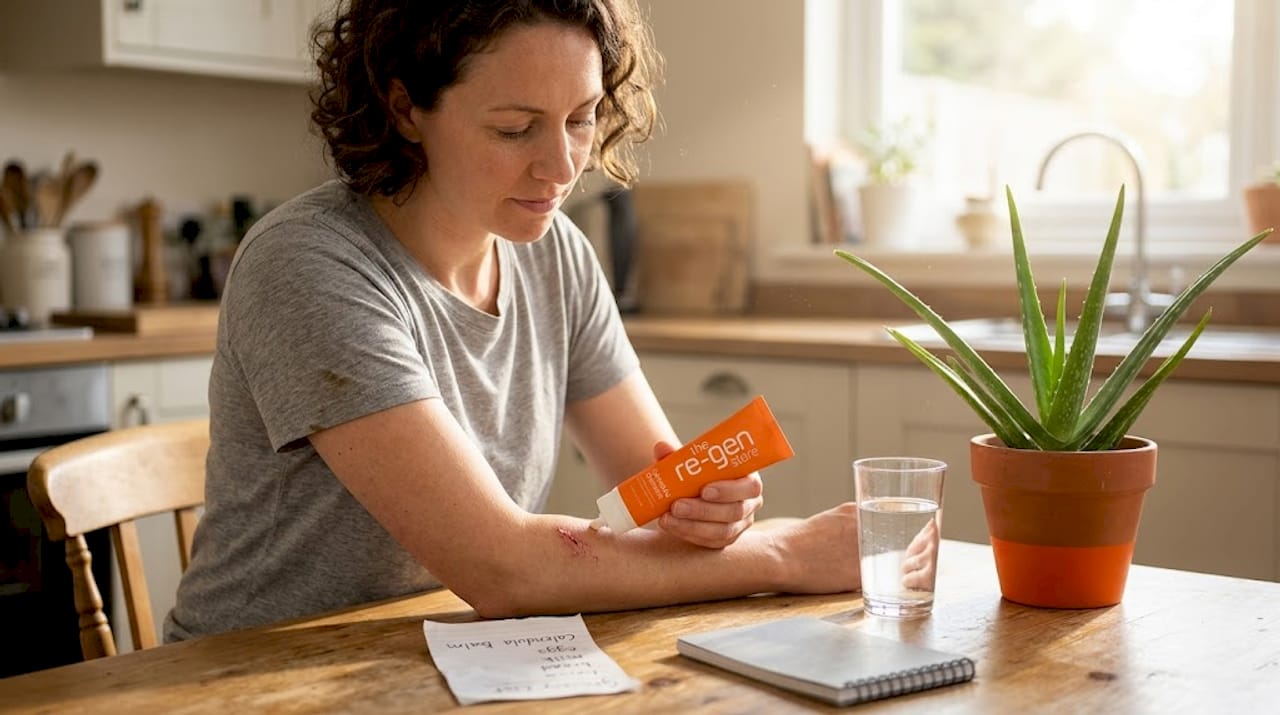
Skin recovery is rarely straightforward. Whether you are healing from a minor cut, recovering after surgery, or trying to find safe options for your pet, the sheer volume of advice out there can feel paralyzing. Some tips are backed by solid research. Others are based on outdated assumptions or marketing claims. The difference matters, because choosing the wrong approach can slow healing, increase scarring risk, or even cause harm. This guide cuts through the noise and gives you a clear, evidence-based path forward, covering everything from moisture management and nutrition to herbal therapies and advanced scar treatments.
Table of Contents
Key Takeaways
Point | Details |
Moist healing works best | Using moist dressings and keeping wounds hydrated leads to faster and better skin recovery. |
Nutrition is critical | Protein, vitamin C, and zinc intake can significantly speed up the healing process and minimize scarring. |
Herbal options for humans and pets | Certain plant-based remedies show real promise but should be chosen carefully and used with professional guidance. |
Medical solutions for challenging scars | Silicone sheets, pressure therapy, and laser treatments are proven options when natural methods aren’t enough. |
Key criteria for choosing effective skin recovery methods
To understand which tips work best, start with the selection criteria. Not every method suits every person, wound type, or skin condition. Knowing what to look for helps you filter out the noise and focus on what actually moves the needle.
Safety and skin type compatibility come first. Sensitive skin, compromised immune function, or conditions like eczema require gentler approaches. For pets, the stakes are even higher since many ingredients safe for humans are toxic to animals. Always check ingredient lists and consult a professional when in doubt.
Moisture balance is one of the most well-supported factors in wound care. Moist wound healing with dressings such as hydrogels and foams accelerates repair compared to dry environments by maintaining hydration, supporting oxygenation, and controlling inflammation. Dry air causes scabs to harden and crack, which disrupts new tissue formation and often leaves more visible scarring.
Nutrition plays a larger role than most people realize. Your body cannot build new skin cells without the right raw materials. Protein provides the amino acids needed for collagen synthesis. Vitamin C is required for collagen cross-linking, which gives new skin its strength. Zinc supports immune function and cell division. Missing any of these slows the entire process.
Evidence quality matters when evaluating options. Look for methods supported by clinical trials or peer-reviewed research, not just anecdotal reports. Herbal remedies, for example, vary widely in their evidence base.
Post-surgery specifics add another layer of nuance. Surgical wounds are more controlled but also more vulnerable to complications. Gentle handling, proper dressing changes, and sun protection are non-negotiable in the weeks following a procedure.
Here is a quick checklist for evaluating any skin recovery method:
Is it appropriate for your specific wound type or skin condition?
Does it support moisture retention without causing maceration (over-softening of tissue)?
Is it free from known irritants or allergens for your skin?
Is it backed by credible research or clinical use?
Is it safe for use around children or pets if relevant?
Pro Tip: When in doubt about a new product or remedy, test it on a small patch of unaffected skin first and wait 24 hours before applying it to a wound or sensitive area.
If you want to go deeper on the fundamentals, healing wounds naturally is a great starting point for understanding the science behind faster recovery.
Top natural skin recovery tips for people
With the criteria clear, here are the most effective solutions for people. These strategies are grounded in evidence and practical enough to use at home, whether you are managing a fresh wound or supporting recovery after a medical procedure.
Clean the wound gently. Use mild saline or clean water to rinse the area. Avoid hydrogen peroxide or iodine on open wounds, as these can damage new tissue and delay healing.
Apply a moisture-retaining dressing. Hydrogel or foam dressings keep the wound bed moist, which supports faster cell migration and reduces pain. Change dressings as directed to prevent bacterial buildup.
Protect the area from sun exposure. New skin is highly vulnerable to UV damage. Use SPF 50 or higher on healed areas to prevent hyperpigmentation and long-term discoloration.
Support healing from the inside. Prioritize protein, vitamin C, and zinc alongside moist care and silicone for optimal recovery. Herbals can be supportive but consult a professional for active wounds or infections.
Use silicone sheets or gels for scars. Once the wound has closed, silicone products help flatten and soften raised scar tissue over time. Consistency is key, as results typically take weeks to months.
Consider compression garments after surgery. These reduce swelling and help contour the healing area. Lymphatic massage, when performed correctly, can also support fluid drainage and improve outcomes.
“Post-operative care should include gentle cleaning, moisturizing, sun protection with SPF50+, and compression garments to reduce swelling. Lymphatic massage aids contour and supports overall recovery.” Source
For those recovering from procedures, post-surgery skin care requires a slightly different approach than everyday wound management. The skin is more fragile, inflammation is higher, and the risk of visible scarring is greater.
Common mistakes to avoid:
Picking at scabs or peeling skin, which disrupts new tissue and increases scarring
Applying too many products at once, which can cause irritation or allergic reactions
Skipping sun protection on healed areas, which leads to permanent discoloration
Neglecting nutrition while focusing only on topical treatments
Pro Tip: If your skin feels tight or itchy around a healing wound, that is often a sign of dehydration in the tissue. A gentle, fragrance-free moisturizer applied around (not directly on) the wound can relieve discomfort and support the surrounding skin.
For those dealing with redness, sensitivity, or reactive skin alongside a wound, soothing skin irritation naturally offers practical guidance on managing both issues at once.
Best herbal and plant-based solutions for both people and pets
Natural solutions also include powerful plant-based and herbal approaches, but effectiveness and safety vary considerably. Understanding the evidence helps you make smarter choices.
Certain herbal extracts show genuinely impressive results. Research shows that herbal extracts like Heliotropium curassavicum accelerate wound closure by 39% compared to standard gel, working through antioxidant and anti-inflammatory effects including a 66% reduction in MDA (a marker of oxidative stress) and a 94% drop in TNF-alpha (a key inflammatory signal). These are not trivial numbers. They suggest that well-formulated plant-based products can meaningfully outperform conventional options in specific contexts.
Other commonly used herbal ingredients include aloe vera, calendula, chamomile, and turmeric. Each brings anti-inflammatory or antimicrobial properties, though the clinical evidence varies in quality and depth.
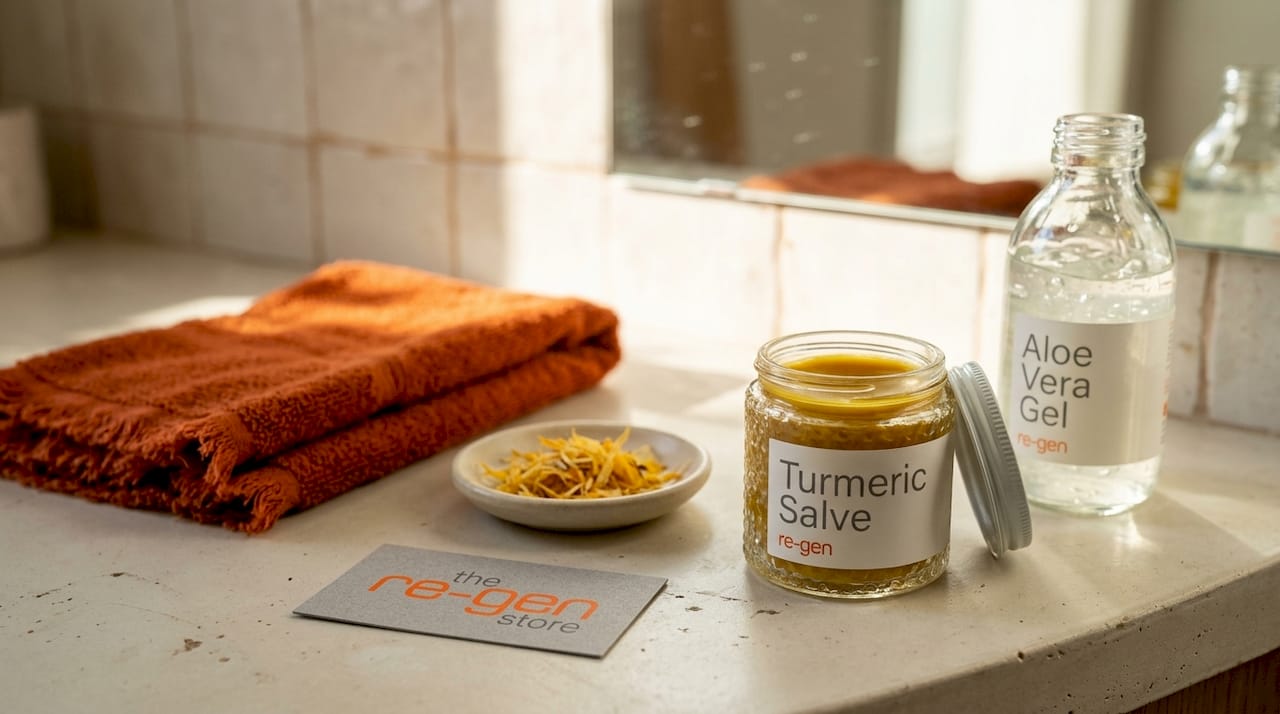
Herbal ingredient | Key benefit | Evidence level | Pet safety |
Aloe vera | Soothes burns, hydrates | Moderate clinical support | Generally safe topically |
Calendula | Anti-inflammatory, wound repair | Moderate preclinical support | Use with vet guidance |
Chamomile | Calming, reduces redness | Limited clinical data | Avoid in cats |
Turmeric (curcumin) | Antioxidant, anti-inflammatory | Strong preclinical, limited clinical | Use with caution |
Heliotropium curassavicum | Accelerates closure, reduces inflammation | Promising preclinical | Not yet established |
For pets, the situation requires extra care. Many essential oils and herbal concentrates that work well for humans are toxic to dogs and cats. Always choose products specifically formulated for animal use, and verify with your veterinarian before applying anything new.
Key considerations for herbal use in pets:
Avoid tea tree oil, eucalyptus, and clove near animals
Look for products with simple, clearly listed plant-based ingredients
Start with small amounts and monitor for any reaction
Never apply human wound products to pets without checking safety first
The gap between humans and pets in herbal wound care is significant. What soothes your skin may cause serious harm to a dog or cat. Choosing plant-based recovery for pets that is specifically formulated for animals removes much of that guesswork.
The honest reality is that herbal wound care is promising but still catching up to conventional medicine in terms of clinical validation. The antioxidant and anti-inflammatory mechanisms are real. The challenge is standardization, dosing consistency, and long-term safety data.
Advanced medical therapies and scar management
Some recovery needs or scar types benefit from advanced medical or surgical interventions. Understanding your options helps you decide when natural methods are enough and when to step up your approach.
Silicone sheets and gels are the most evidence-supported non-invasive scar treatment available. They work by hydrating the scar, regulating collagen production, and reducing redness over time. They are particularly effective for hypertrophic scars (raised, thick scars that stay within the wound boundary) and keloids (scars that grow beyond the original wound).
Pressure therapy uses compression garments to apply consistent mechanical force to a scar. This flattens and softens the tissue over months of consistent use. It is commonly used after burn injuries and major surgeries.
Laser treatments and microneedling work differently. They remodel existing scar tissue by triggering controlled micro-injury, which stimulates new collagen formation. These are typically performed by dermatologists or plastic surgeons and require multiple sessions.
Treatment | Best for | Timeline | Natural alternative |
Silicone sheets | Hypertrophic scars, keloids | 3 to 6 months | Herbal oils, plant-based balms |
Pressure therapy | Post-burn, post-surgery | 6 to 12 months | Compression wraps |
Laser resurfacing | Texture, pigmentation, remodeling | Multiple sessions | None equivalent |
Microneedling | Collagen stimulation, texture | 3 to 6 sessions | Topical herbal serums |
Research confirms that silicone and pressure therapy are effective for scars, while lasers and microneedling support tissue remodeling. Herbal therapies show promise in preclinical settings but still need standardization and more rigorous clinical trials before they can be directly compared to these interventions.
When to choose advanced over natural methods:
The scar is raised, red, or growing beyond the original wound boundary
Movement is restricted due to scar tightness
The wound has not shown improvement after 4 to 6 weeks of consistent natural care
A dermatologist or surgeon recommends intervention
For everyday wounds and minor surgical recovery, natural and plant-based approaches often deliver excellent results. For more complex scarring, a combined strategy works best. You can learn more about scarring minimization after surgery from surgical specialists who address both medical and lifestyle factors together.
One important comparison worth making is between conventional antibiotic ointments and plant-based alternatives. Many people default to products like Neosporin out of habit, but the Re-gen vs Neosporin comparison shows that plant-based formulations can offer meaningful advantages, particularly for those who want to avoid synthetic chemicals or antibiotic resistance concerns.
For those who have recently had a procedure, natural post-surgery options) provide a practical framework for supporting recovery without relying solely on pharmaceutical products.
A fresh perspective: What really accelerates skin recovery?
Here is something worth saying plainly: most people focus too much on finding the perfect product and not enough on fixing the basics. We see this pattern repeatedly. Someone invests in an advanced scar treatment while eating a low-protein diet and skipping daily moisturizing. The results disappoint, and the product gets blamed.
Real skin recovery comes from a system, not a single ingredient. Moisture management, consistent sun protection, adequate protein intake, and smart wound care form the foundation. Everything else, whether herbal extracts, silicone sheets, or laser treatments, builds on top of that foundation. Without it, even the most promising therapies underperform.
The other overlooked factor is time. Skin remodeling takes months, not days. Impatience leads people to abandon effective strategies too early or layer on too many products at once, which often causes more irritation than healing.
We also want to be honest about herbal remedies. The science is genuinely exciting, and the anti-inflammatory and antioxidant mechanisms are real. But not all herbal products are created equal. Formulation quality, ingredient concentration, and delivery method all matter. Choosing a well-researched, clearly formulated product makes a significant difference.
If healing stalls or a wound shows signs of infection, consult a healthcare provider. No amount of more natural healing tips replaces professional assessment when something is not right.
Explore plant-based solutions for better skin recovery
If the strategies in this article resonate with you, TheRegenStore.com offers plant-based options that align directly with what the evidence supports.
The Re-gen regenerative ointment is formulated with natural, chemical-free ingredients designed to support skin and soft tissue recovery across a wide range of needs. Whether you are managing a cut, a burn, or recovering from a procedure, it fits naturally into the evidence-based approach outlined here. For those focused on post-procedure care, the site also covers how to support surgical recovery) with plant-based tools. And if you want a broader look at alternatives to conventional wound products, explore plant-based wound care options that skip petroleum and synthetic additives entirely.
Frequently asked questions
What is the best way to keep wounds moist for faster healing?
Moist wound healing using hydrogel or foam dressings retains the right level of moisture while supporting oxygenation and controlling inflammation. Gentle cleansing and avoiding dry scab formation are equally important steps.
Are herbal remedies safe for pets with skin injuries?
Most herbal remedies show promise in early research, but herbal efficacy in clinical trials remains limited and standardization is still lacking. Always use veterinary-approved formulations and consult your vet before applying any herbal product to a pet’s wound.
How important is nutrition in skin recovery?
Nutrition is foundational. Protein, vitamin C, and zinc are the three most critical nutrients for collagen synthesis, immune support, and cell regeneration, and deficiencies in any of them will visibly slow your recovery.
When should you consider medical scar treatments?
If a scar is raised, persistent, or restricting movement, silicone and pressure therapy are well-supported first-line options. Laser resurfacing and microneedling are worth discussing with a dermatologist when texture and pigmentation are the primary concerns.
Recommended
Comments