
Why natural healing matters for skin and soft tissue recovery
- Sunny

- 5 days ago
- 7 min read
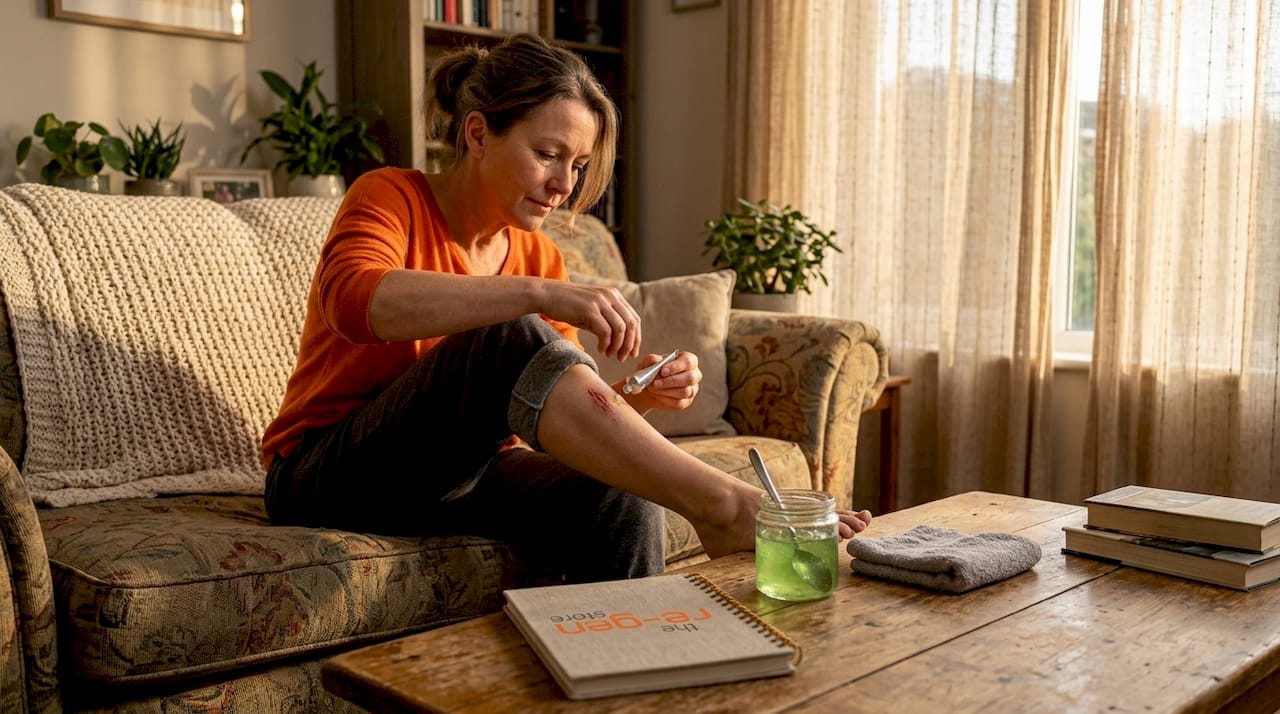
Most people assume faster healing means stronger chemicals. That assumption is wrong. Research shows that plant-based wound agents can actually outperform chemical treatments, closing wounds in fewer days and with less inflammation along the way. For health-conscious individuals and pet owners who want to avoid synthetic compounds, this isn’t just good news. It’s a genuine shift in how we understand recovery. This guide breaks down the science, the evidence, and the practical steps you need to make confident, chemical-free healing choices for yourself and your animals.
Table of Contents
Key Takeaways
Point | Details |
Natural healing mechanisms | Natural remedies activate biological recovery processes and optimize immune function. |
Comparison advantage | Research shows faster healing and fewer side effects with plant-based solutions. |
Effective ingredients | Aloe, chitosan, propolis, and vitamins are key to safer, more complete recovery. |
Practical best practices | Consistent use and proper nutrition are essential to maximize natural healing results. |
Chemical-free lifestyle benefits | Reducing synthetic exposure protects against resistance and supports holistic wellness. |
Unpacking the science behind natural healing
Natural healing is not passive waiting. It is an active, coordinated biological process. When your skin or soft tissue is damaged, your body triggers a cascade of events: inflammation, cellular repair, tissue remodeling, and regeneration. The goal of natural wound care is to support these phases without interfering with or suppressing them.
This is where plant-based and bioactive compounds offer a distinct advantage. Rather than overriding your immune response the way many synthetic antibiotics do, natural agents work alongside it. They provide targeted antioxidant and anti-inflammatory support that optimizes cellular function without shutting down the inflammation your body actually needs in the early repair stages.
Key mechanisms that natural healing taps into include:
Antioxidant activity: Reduces oxidative stress at the wound site, protecting new tissue from cellular damage
Anti-inflammatory modulation: Calms excessive inflammation without eliminating it entirely, preserving the healing signal
Antimicrobial action: Many plant compounds prevent infection without creating antibiotic resistance
Collagen stimulation: Bioactive compounds encourage fibroblast activity, the cell type responsible for building new tissue
Immune optimization: Supports white blood cell function and tissue turnover at a natural pace
“Bioactives deliver targeted effects (e.g., antioxidants reduce oxidative stress); nutraceuticals optimize immune and cellular functions without suppressing natural inflammation.” — PMC research on nutraceuticals and micronutrients in wound healing
This distinction matters enormously. Suppressing inflammation entirely can actually slow recovery and increase the risk of complications. If you want to understand how to begin speeding up wound healing naturally, the starting point is working with your body, not against it. And if you’re concerned about synthetic ingredients in wound care, exploring petroleum-free wound treatments is a logical next step.
Comparing natural and chemical wound solutions
Now that the biology is clear, let’s look at what the evidence actually shows when you compare outcomes side by side.
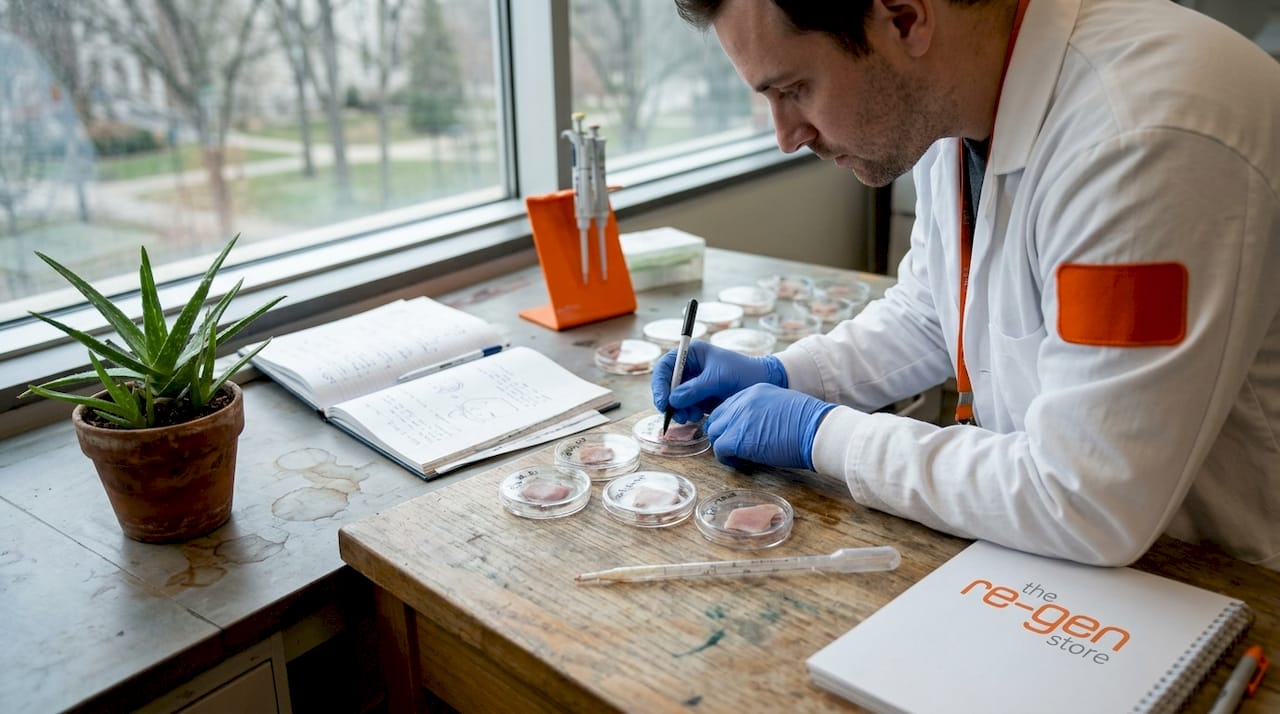
One study on canine surgical wounds is particularly striking. Researchers compared a curcumin-chitosan-aloe vera formulation against mupirocin, a standard chemical antibiotic ointment. The natural ointment group healed in just 9 days compared to 14 days for the chemical group. The natural group also showed less inflammation and significantly more fibroblast activity, meaning better quality tissue repair.
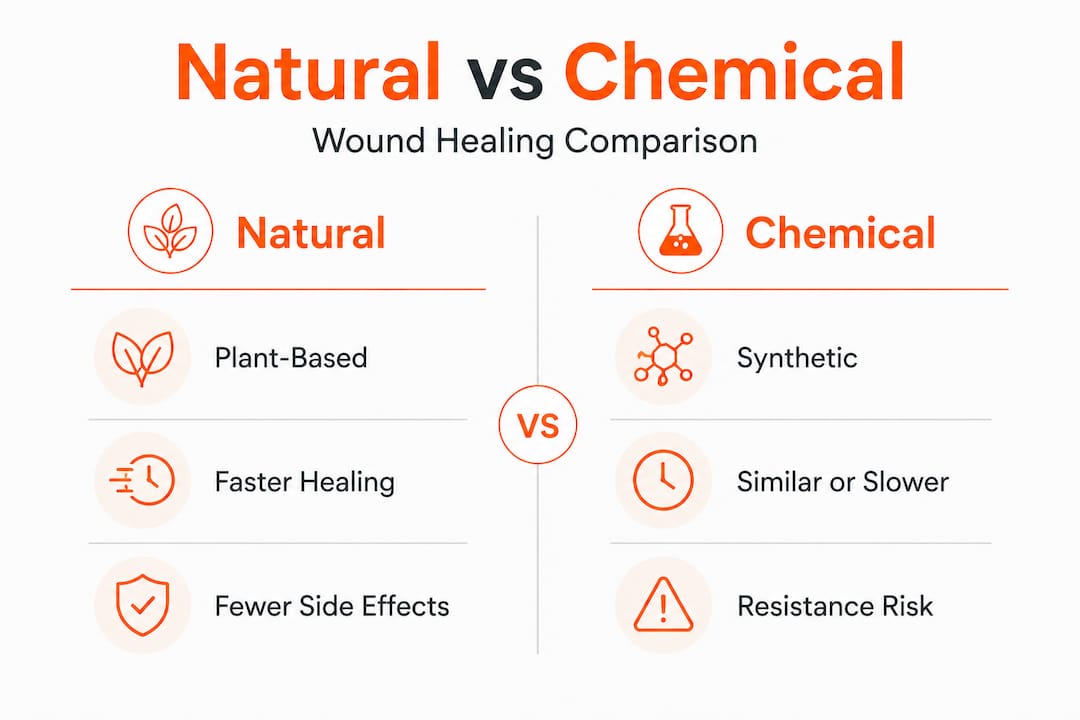
Factor | Natural treatments | Chemical treatments |
Average healing time | Faster in multiple studies | Moderate to slow |
Inflammation response | Balanced and modulated | Often suppressed entirely |
Antibiotic resistance risk | Minimal to none | Increasing concern |
Side effects | Rarely reported | Irritation, sensitivity common |
Fibroblast activity | Elevated | Often reduced |
Safety for repeated use | Generally high | Can diminish over time |
This table reflects a pattern seen across multiple studies, not just one. Natural agents consistently match or exceed chemical treatments across multiple outcomes. Comparing options like natural vs synthetic wound treatments or reviewing how plant-based ointments stack up against a petroleum jelly comparison can help you make that choice with confidence.
Pro Tip: Avoid using topical antibiotics like Neosporin for every minor cut or scrape. Repeated antibiotic exposure, even topical, contributes to resistance in both humans and pets over time. Natural alternatives can handle most minor wounds effectively without that risk.
Key natural ingredients and therapies explained
Understanding which ingredients actually drive results makes it easier to choose the right product for your situation.
Plant-based wound remedies like cataplasms, chitosan, aloe vera, curcumin, and propolis each bring a unique set of healing properties. When combined, they create a powerful, multi-action environment for tissue recovery.
Ingredient | Primary action | Clinical outcome |
Aloe vera | Anti-inflammatory, moisturizing | Reduces wound size and redness |
Curcumin | Antioxidant, antimicrobial | Stimulates collagen and fibroblasts |
Chitosan | Biopolymer scaffolding | Supports cell attachment and closure |
Propolis | Broad-spectrum antimicrobial | Controls bacteria without resistance |
Zinc | Micronutrient for repair | Accelerates wound closure |
Vitamin C | Collagen synthesis cofactor | Strengthens new skin tissue |
Beyond topical ingredients, micronutrients play a critical supporting role. Vitamins A, B, C, D, E, zinc, and arginine all contribute to wound healing phases, from initial inflammation through final tissue remodeling. Deficiencies in any of these can noticeably delay recovery, even if you’re using an excellent topical product.
Here is how to approach choosing and using natural healing ingredients effectively:
Identify your wound type first. Surface cuts, surgical wounds, burns, and soft tissue injuries each respond differently. Match the formulation to the need.
Check for multi-ingredient formulations. Single-compound products are less effective than combinations that address multiple healing phases simultaneously.
Apply consistently and at the right intervals. Natural formulations often need regular reapplication to maintain an optimal healing environment.
Support topical treatment with internal nutrition. Zinc, vitamin C, and vitamin D can be added through diet or supplements to reinforce the healing process from the inside.
For pets, prioritize species-safe ingredients. Many essential oils and plant extracts that are fine for humans can be harmful to dogs or cats. Chitosan, aloe vera, and propolis are generally well-tolerated in pets when formulated correctly.
For integrative therapies like ozone, light therapy, and propolis, the evidence is encouraging. These approaches reduce antibiotic reliance, control microbial load, and actively stimulate collagen production in pet wounds. They are especially useful in post-surgical recovery settings where infection risk is elevated. If you’re supporting post-surgery natural healing or trying to soothe skin irritation naturally, these integrative options are worth knowing about.
Practical advice for natural healing: common pitfalls and best practices
Even the best natural formulation can underperform if applied incorrectly. Here is what the evidence supports, and what to avoid.
Do:
Clean the wound gently with saline or clean water before applying any ointment
Use formulations with proven bioactive compounds rather than single-ingredient products
Maintain consistent application schedules as irregular use reduces efficacy
Monitor for signs of infection (increasing redness, warmth, or discharge) even with natural products
Prioritize nutrition during recovery, especially zinc, vitamin C, and protein
Avoid:
Mixing natural ointments with antibiotic creams without guidance, as this can disrupt the antimicrobial balance
Using synthetic dressings over plant-based ointments when unnecessary, since some materials can reduce breathability and slow healing
Over-applying thickly, more product does not mean faster healing
Stopping application too early just because the surface looks closed, as deeper tissue may still be repairing
Research confirms that polyherbal formulations reduce wound closure time and improve the quality of healed tissue without the side effects like irritation that are common with synthetic products. Quality matters here. Not all natural products are equal.
Pro Tip: Consistency is the single biggest factor in natural healing outcomes. A good plant-based ointment applied on schedule will outperform an excellent product used irregularly every time.
For natural support for soft tissue injuries like sprains or strains, or for muscle and tissue recovery, the same principles apply. Consistency, clean application, and nutritional support combine to produce the best results.
Why natural healing is more than a trend: a deeper perspective
Here’s an honest take: the conventional medical world has long treated natural healing as a secondary option. Something you try when you can’t access “real” medicine. That framing is increasingly hard to defend.
We see it clearly in the data. Antibiotic resistance risks, side effects from synthetic products, and the disruption of natural healing mechanisms are real consequences of over-relying on chemicals. For people with skin sensitivities, immune challenges, or pets who can’t communicate discomfort, the stakes are even higher.
Natural healing isn’t a compromise. It’s an investment. When you use plant-based formulations that work with your body’s own repair systems, you’re not just managing a wound. You’re building a pattern of care that reduces long-term risks, supports immune resilience, and avoids creating resistance problems that affect everyone.
If you’re looking for a best natural alternative to conventional antibiotic ointments or want to explore the full range of wound treatment comparisons, the evidence gives you a solid foundation to act on.
Explore effective plant-based wound healing solutions
You now have the science, the comparisons, and the practical steps. The next move is finding the right product to put them into practice.
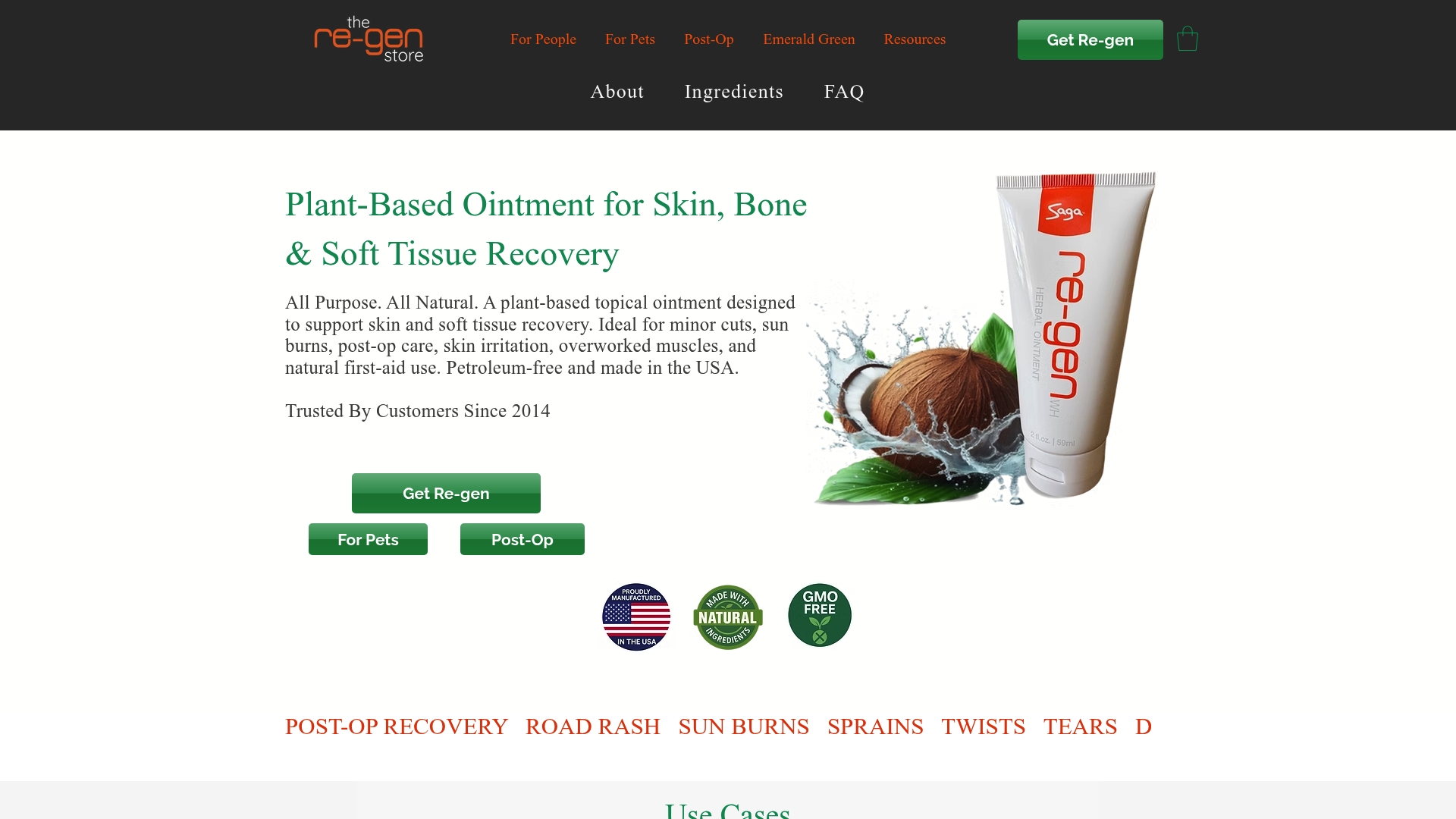
At TheRegenStore.com, we offer Re-gen, a plant-based regenerative ointment formulated with bioactive compounds designed to support skin, soft tissue, and post-surgical recovery without synthetic chemicals. For your animals, our wound ointment for pets provides the same clean, natural approach in a formulation safe for dogs and cats. Every product we carry aligns with the principles covered in this guide: working with the body, not against it. Explore our full petroleum-free wound treatment options and find the solution that fits your recovery needs.
Frequently asked questions
Do natural healing agents work as quickly as chemical treatments?
Empirical evidence shows many natural ointments heal wounds faster than chemical options with fewer side effects. In one study, a natural formulation healed wounds in 9 days compared to 14 days for a standard chemical antibiotic ointment.
What are the main risks of using chemical-based wound treatments often?
Overuse of synthetic antibiotics and chemical wound products can lead to resistance, sensitivity reactions, and interference with natural repair. Repeated exposure disrupts the body’s own holistic healing mechanisms over time.
Can natural healing be safely used for pets and humans post-surgery?
Yes, plant-based and biopolymer formulations are proven to support post-surgical recovery with fewer complications for both people and animals. Integrative therapies like propolis and light therapy actively stimulate collagen and reduce infection risk in pet wounds.
Which ingredients are most important in natural wound healing?
Aloe vera, chitosan, propolis, curcumin, vitamins, and zinc are the most well-supported. These plant-based compounds provide antimicrobial, anti-inflammatory, antioxidant, and regenerative effects that work across all phases of wound healing.
Recommended
Comments