
What Is Skin Barrier Function? Your Complete Guide
- Sunny

- 4 days ago
- 7 min read
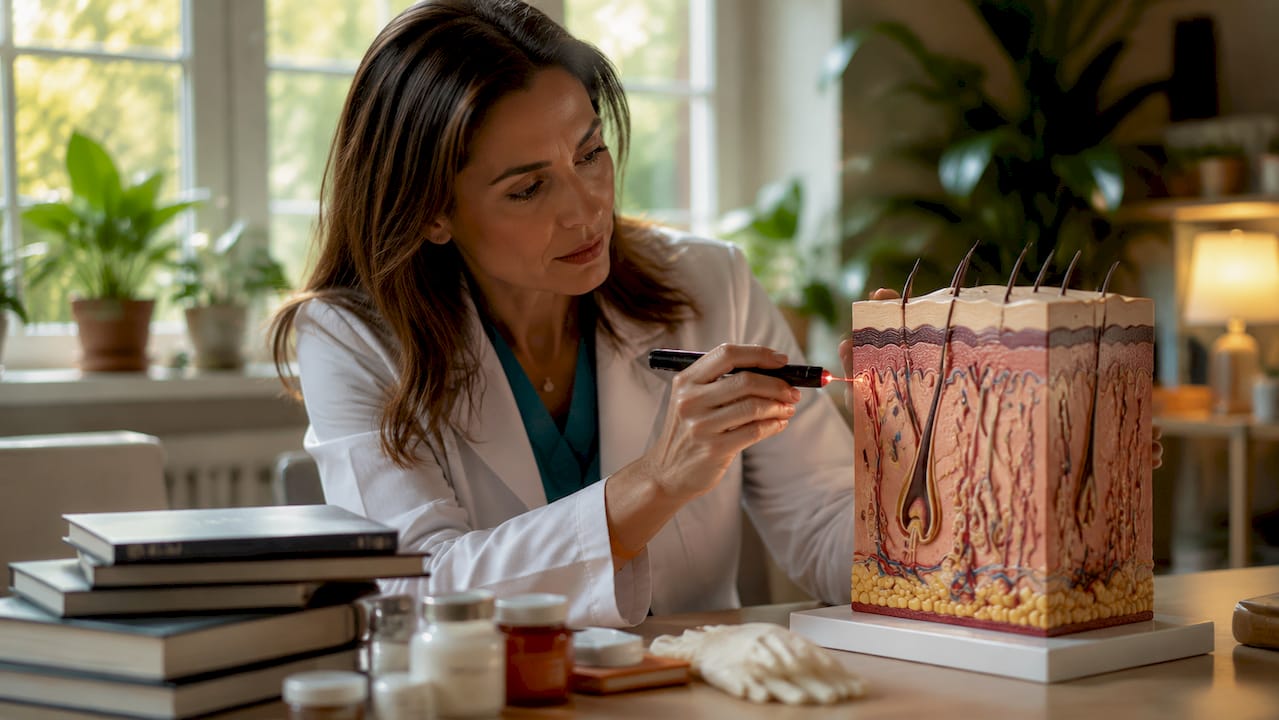
Skin barrier function is defined as the stratum corneum’s role as a physical and biochemical shield that blocks environmental threats and prevents excessive water loss from the body. This outermost layer of skin is your first line of defense against pathogens, pollutants, UV radiation, and chemical irritants. It also controls hydration by slowing the rate at which water evaporates through the skin. When this system works well, your skin stays resilient, comfortable, and healthy. When it breaks down, the consequences range from dryness and irritation to chronic conditions like eczema and psoriasis.
What is skin barrier function, biologically?
The skin barrier acts like a shield against toxins, pathogens, and moisture escape. Dermatologists and researchers refer to its structure as “bricks and mortar.” The corneocytes, which are flattened, protein-filled dead skin cells, serve as the bricks. The lipid matrix surrounding them acts as the mortar.
The lipid mortar is not a simple layer of fat. It contains three key components arranged in a precise lamellar structure:
Ceramides make up roughly 50% of the lipid matrix and are the primary water-retention molecules.
Cholesterol maintains fluidity and flexibility in the lipid layers.
Free fatty acids regulate the skin’s pH and support antimicrobial defense.
This lamellar lipid organization creates a tortuous hydrophobic pathway that critically slows water diffusion across the skin. Water molecules cannot travel in a straight line through the matrix. They must navigate around each lipid bilayer, which dramatically reduces water loss.
Beyond the stratum corneum, tight junctions in the granular layer and the skin microbiome contribute to barrier integrity and immune defense. Tight junctions are protein structures that seal the spaces between living skin cells, adding a second line of defense below the stratum corneum. The skin microbiome, including beneficial bacteria like Staphylococcus epidermidis, competes with harmful pathogens and modulates local immune responses.
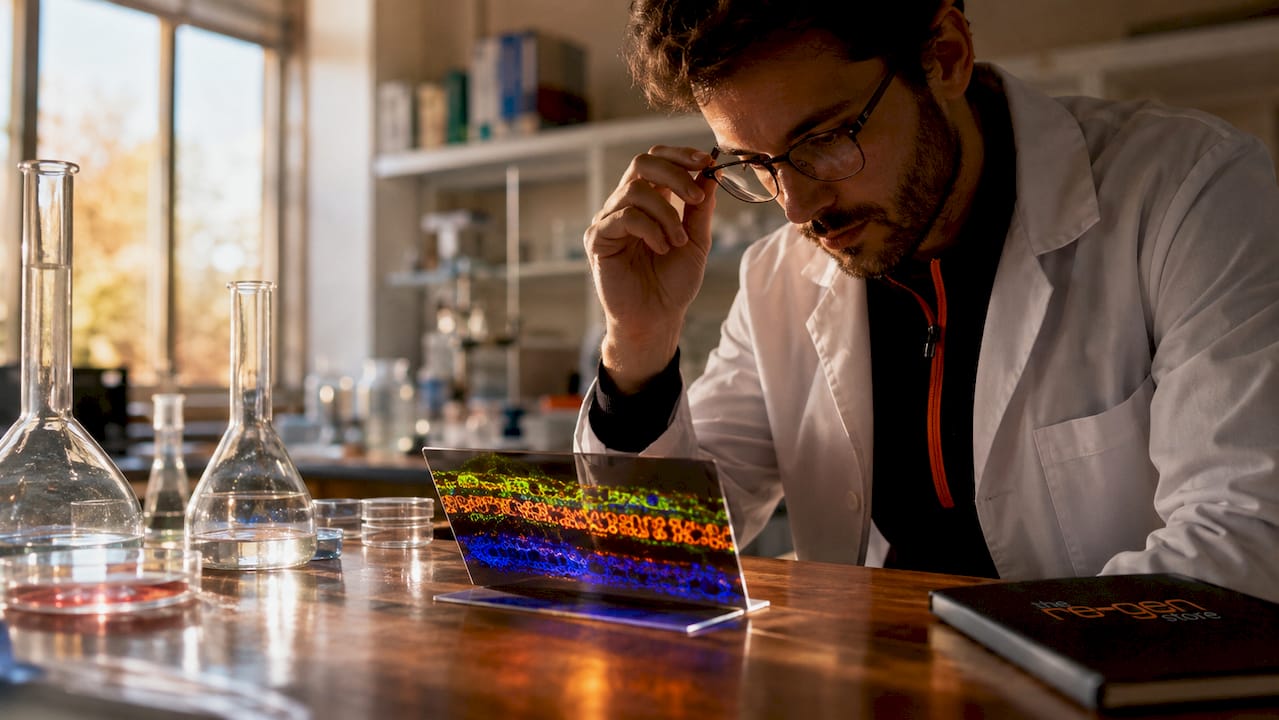
The acid mantle is not uniform but has stepwise pH zones critical for skin function. These pH gradients activate enzymes that process lipids and regulate cell turnover. Disrupting this gradient, even slightly, impairs the barrier’s ability to repair itself.
Pro Tip: Avoid cleansers with a pH above 7. Most tap water sits around pH 7–8, and repeated washing without a pH-balanced cleanser gradually erodes the acid mantle.
How is skin barrier integrity measured clinically?
Transepidermal water loss, known as TEWL, is the primary objective metric clinicians use to assess skin barrier health. TEWL quantifies water evaporation from the skin surface and is used to evaluate barrier health in both research and clinical practice. Higher TEWL values indicate a more compromised barrier.
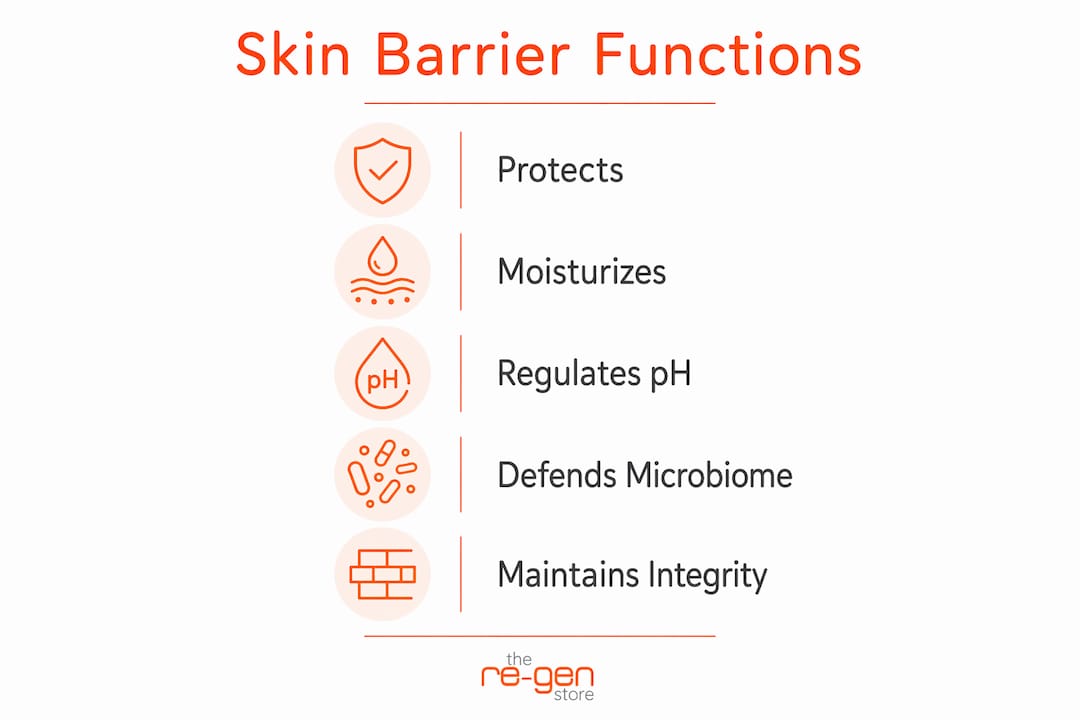
Clinicians measure TEWL using devices like the Tewameter or VapoMeter, which detect water vapor flux in grams per square meter per hour. Healthy skin on the forearm typically shows low TEWL readings. Skin affected by eczema or after aggressive chemical peels shows significantly elevated readings.
Here is how common assessment methods compare:
TEWL measurement using closed-chamber or open-chamber devices. This is the gold standard for barrier integrity.
Corneometry measures skin surface hydration using electrical capacitance. It reflects moisture content but not barrier function directly.
Skin pH measurement using flat-tip electrodes. Elevated pH signals disrupted lipid processing and reduced antimicrobial defense.
Visual and sensory assessment including dryness, flaking, redness, and tightness. These are useful clues but are subjective.
Dryness, irritation, and sensitivity commonly indicate barrier disruption, but these subjective signs differ from objective measures like TEWL. A person’s skin can look and feel normal while TEWL readings remain elevated. This gap matters when evaluating whether a skincare product has genuinely repaired the barrier or simply masked the symptoms.
What damages the skin barrier?
A compromised barrier allows pathogens in and triggers inflammatory pathways, linking directly to conditions such as eczema and psoriasis. The causes of barrier disruption fall into two broad categories: environmental and physiological.
Environmental factors include:
UV radiation, which degrades lipids and damages corneocytes
Air pollution and particulate matter, which generate oxidative stress
Harsh soaps and surfactants that strip the lipid matrix
Low humidity environments that accelerate water loss
Over-exfoliation or aggressive chemical treatments
Physiological factors include:
Aging, which reduces ceramide production and lipid synthesis
Genetic mutations in the filaggrin gene, a key structural protein in corneocytes
Immune dysfunction, which disrupts the microbiome and tight junction integrity
Chronic stress, which elevates cortisol and impairs barrier repair
The phrase “broken skin barrier” has become popular in wellness content, but dermatologists confirm it describes a real physiological condition. Barrier impairment is a physiological reality with clear impacts on infection risk and inflammation. It is not just a marketing term. Recognizing the difference between a temporarily dry skin surface and a genuinely impaired barrier helps you choose the right response.
Pro Tip: If your skin stings when you apply plain water or a gentle toner, that reaction often signals a compromised acid mantle rather than product sensitivity.
How to improve skin barrier health effectively
Restoring the skin barrier requires more than adding moisture. Effective repair requires restoring lipid organization, not just moisture replacement. Humectants like hyaluronic acid draw water into the skin, but without a functioning lipid matrix to hold it there, that water evaporates quickly.
Here is a comparison of the main ingredient categories used in barrier repair:
Ingredient Type | Examples | Primary Role |
Ceramides | Ceramide NP, Ceramide AP | Restore lipid matrix structure |
Humectants | Hyaluronic acid, glycerin | Draw water into the skin |
Occlusives | Petrolatum alternatives, plant-based waxes | Seal moisture in and reduce TEWL |
Prebiotics/Probiotics | Lactobacillus ferment, inulin | Support microbiome balance |
Fatty acids | Linoleic acid, shea butter | Replenish free fatty acid deficits |
Practical steps to support skin barrier repair include:
Switch to a gentle, pH-balanced cleanser with a pH between 4.5 and 5.5
Apply a ceramide-containing moisturizer within two minutes of washing while skin is still damp
Reduce the frequency of exfoliation to once per week or less during recovery
Use a plant-based occlusive at night to lock in moisture and support lipid repair
Drink adequate water and eat foods rich in omega-3 fatty acids, such as salmon, walnuts, and flaxseed
Consult a dermatologist if symptoms persist beyond two to four weeks of consistent care
You can also explore natural skin recovery tips that align with these principles for additional guidance. For microbiome support, look for products containing prebiotics or postbiotics, which feed beneficial bacteria without introducing live cultures that may be unstable in topical formulas.
Pro Tip: Layer your products in order of water content: apply humectants first, then ceramide moisturizers, then occlusives last. This sequence mirrors the skin’s own layered structure.
Key takeaways
Skin barrier function depends on a precisely organized lipid architecture, a balanced microbiome, and intact tight junctions working together to block pathogens and retain moisture.
Point | Details |
Bricks-and-mortar structure | Corneocytes and lipids form the physical barrier that limits water loss and external penetration. |
TEWL is the gold standard | Elevated transepidermal water loss objectively confirms barrier compromise beyond visible symptoms. |
Lipid repair over hydration | Restoring ceramides and fatty acids addresses root barrier dysfunction, not just surface dryness. |
Multiple disruption causes | UV, harsh cleansers, aging, and filaggrin mutations each damage the barrier through different mechanisms. |
Microbiome and pH matter | Maintaining a pH between 4.5 and 5.5 and supporting beneficial bacteria preserves the full barrier system. |
Why the skin barrier is more than a wall
Most people think of the skin barrier as a passive coating, like paint on a wall. That framing misses the biology entirely. The barrier is a dynamic biological ecosystem that includes immune cells, living microorganisms, and enzymatic processes that run continuously.
What I find most overlooked in mainstream skincare advice is the microbiome piece. People obsess over ceramides and hyaluronic acid, which are genuinely useful, but they ignore the bacterial community that modulates how the immune system responds to everything the skin encounters. Wipe out that community with antibacterial soaps or over-sanitizing, and you create a vulnerability that no moisturizer fully compensates for.
The other mistake I see constantly is treating barrier repair as a short-term project. You cannot restore a lipid matrix that took years to degrade in two weeks of applying a ceramide cream. Realistic recovery takes consistent, gentle care over months. Simple hydration is not always sufficient for repair, and expecting fast results often leads people to abandon routines before they work or to layer on more products that further irritate already-sensitive skin.
Start with less. Protect what you have. Give the biology time to do its job.
— Kyle
Support your skin barrier with plant-based recovery
Understanding how the skin barrier works makes it easier to choose products that actually support repair rather than just feel good on application. Theregenstore’s Re-gen ointment is formulated with plant-based ingredients designed to work with the skin’s natural recovery processes, not against them.
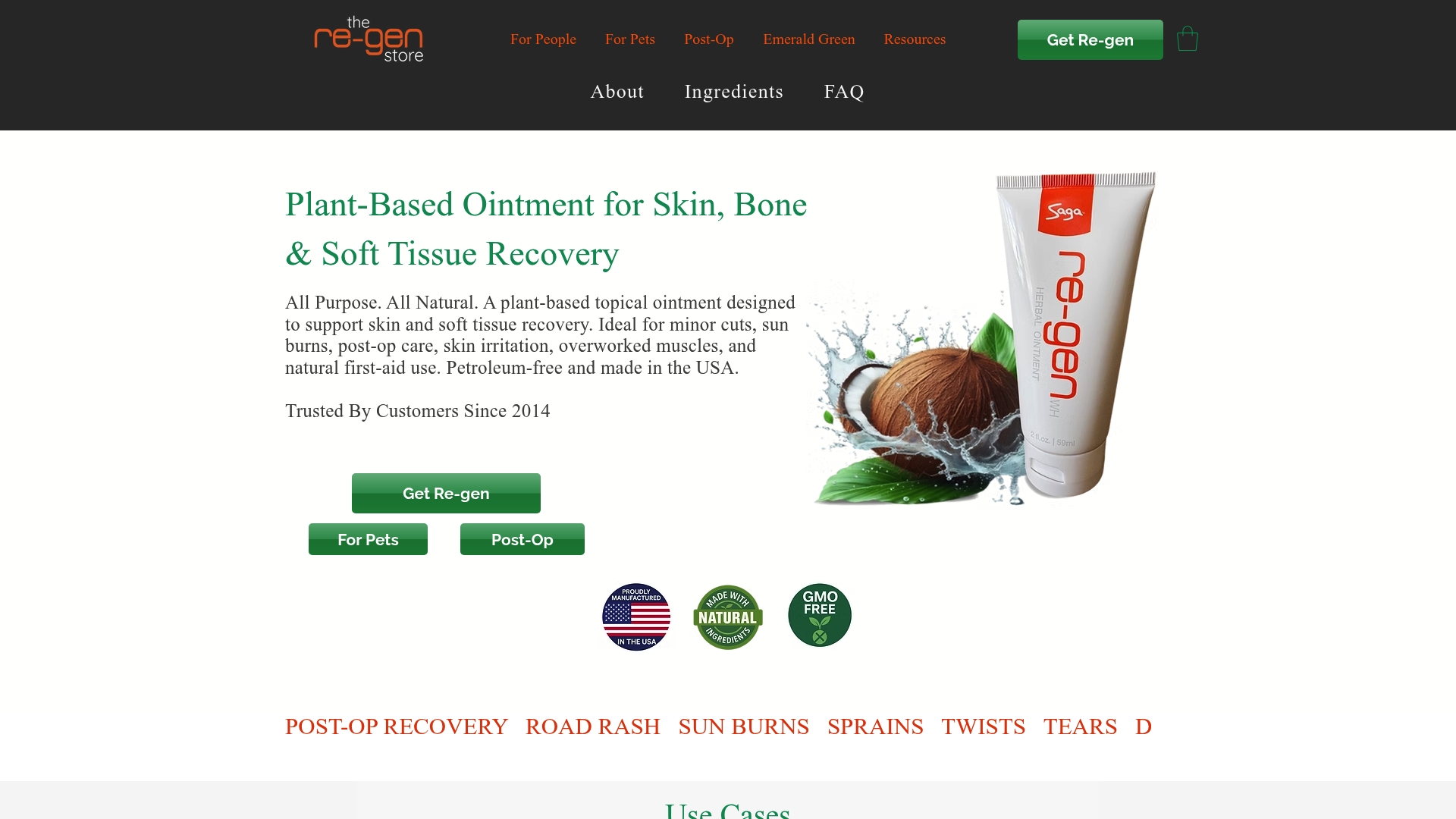
Re-gen avoids petroleum-based occlusives and synthetic chemicals that can disrupt the acid mantle or microbiome. Instead, it uses herbal compounds that support tissue regeneration and reduce inflammation at the barrier level. If you are looking for a plant-based wound treatment that aligns with what science says about barrier repair, Re-gen is worth exploring. You can also review natural ingredients in healing to understand how specific plant compounds support skin recovery.
FAQ
What does skin barrier function mean?
Skin barrier function refers to the stratum corneum’s ability to block environmental threats and prevent water loss. It depends on a lipid matrix of ceramides, cholesterol, and free fatty acids working together.
What are the main signs of a damaged skin barrier?
Dryness, redness, stinging, and increased sensitivity are common signs of barrier disruption. These symptoms appear when the lipid matrix is depleted or the acid mantle is compromised.
Can you repair a damaged skin barrier?
Yes. Applying ceramide-based moisturizers, using pH-balanced cleansers, and avoiding harsh irritants supports barrier recovery. Full repair takes consistent care over weeks to months, not days.
What is TEWL and why does it matter?
TEWL stands for transepidermal water loss and measures how much water evaporates through the skin. Elevated TEWL is the clinical standard for confirming barrier compromise beyond what visible symptoms alone can reveal.
What everyday habits damage the skin barrier most?
Harsh soaps, over-exfoliation, hot water, low humidity, and UV exposure are the most common barrier disruptors. Genetic factors like filaggrin mutations also increase baseline vulnerability.
Recommended
Comments