
The Role of Natural Ingredients in Healing and Skin Health


Natural ingredients are bioactive compounds derived from plants, minerals, and living organisms that directly support healing, skin repair, and overall wellness through scientifically validated mechanisms. The role of natural ingredients extends far beyond simple moisturizing or soothing effects. Plant polyphenols, flavonoids, and antioxidants actively modulate oxidative stress and inflammatory pathways that drive tissue damage and aging. Research confirms that 56 of 579 globally approved drugs between 2014 and 2025 were natural products or derivatives, averaging five approvals per year. That figure reflects decades of scientific validation, not marketing.
What is the role of natural ingredients in skin and tissue repair?
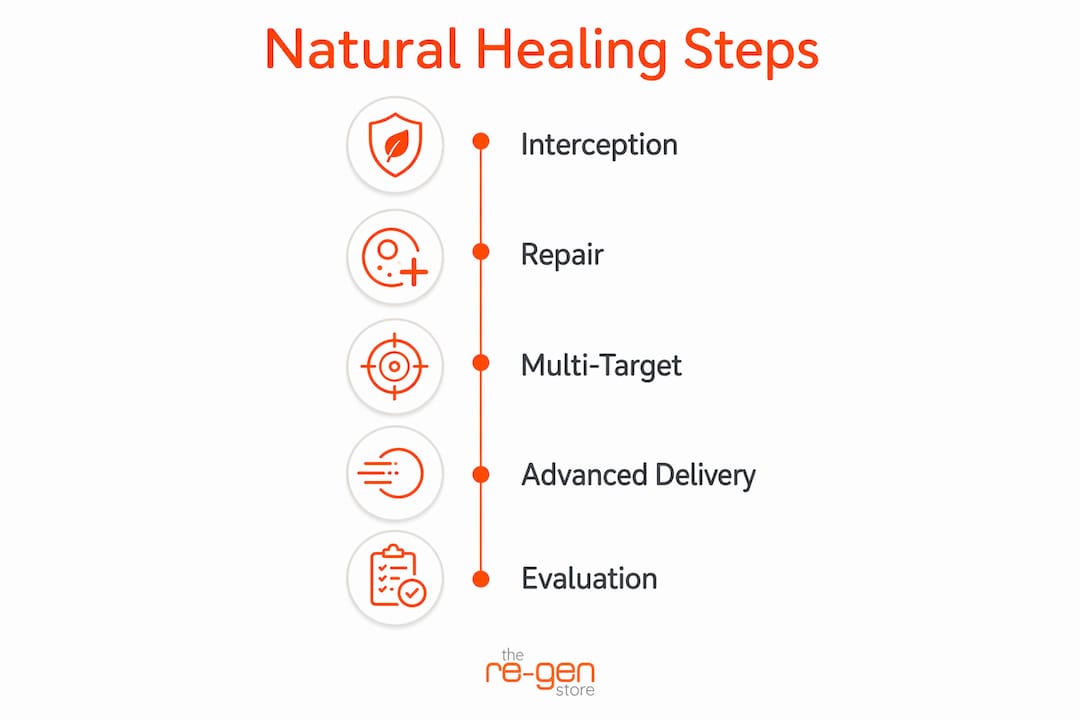
Natural actives work by targeting two core biological processes: damage interception and repair enhancement. When your skin faces UV exposure, pollution, or injury, cells generate reactive oxygen species (ROS). These unstable molecules attack proteins, lipids, and DNA, accelerating aging and slowing wound closure.

Plant-derived compounds counter this at the molecular level. Natural products reduce ROS and regulate inflammatory factors through pathways including NF-κB, Nrf2, AP-1, and matrix metalloproteinases (MMPs). This is not a vague “antioxidant benefit.” It is a specific, measurable suppression of the signals that cause chronic inflammation and tissue breakdown.
Key biological functions of natural actives include:
Oxidative stress modulation: Polyphenols and flavonoids neutralize ROS before they damage cellular structures.
Inflammatory pathway regulation: Compounds like curcumin and resveratrol suppress NF-κB activation, reducing pro-inflammatory cytokine production.
Extracellular matrix (ECM) support: Natural actives inhibit MMPs, the enzymes that degrade collagen and elastin in aging or injured skin.
Repair signal enhancement: Bioactive compounds promote fibroblast activity and collagen synthesis, accelerating tissue regeneration.
Research also confirms that multi-target strategies using combinations of natural products outperform single isolated ingredients. The body’s healing response involves dozens of simultaneous signals, and a well-formulated blend addresses more of them.
Pro Tip: When evaluating a natural product, look for formulations that combine multiple plant actives rather than relying on a single extract. Combination approaches better reflect how these compounds work in nature.
How do modern delivery methods improve natural ingredient performance?
The biological potential of a natural active means nothing if it cannot reach the target tissue. Stability, skin penetration, and controlled release are the three barriers that separate a promising plant extract from a clinically effective product.
Advanced delivery systems have changed this equation significantly. A review of over 50 studies found that nanoformulations outperformed conventional topical applications in both skin aging prevention and treatment of skin disorders. The difference is not marginal. It reflects a fundamental improvement in how actives interact with skin layers.
Delivery Method | Key Advantage | Best Application |
Conventional cream or ointment | Simple, low cost, accessible | Surface-level hydration and mild protection |
Nanoemulsion | Smaller droplet size improves penetration | Anti-aging actives, antioxidants |
Lipid-based nanoparticle | Protects unstable actives from degradation | Polyphenols, vitamin C derivatives |
Self-assembled hydrogel | No chemical cross-linkers, adapts to tissue | Wound healing, drug delivery |
Self-assembled hydrogels built from natural active ingredients rely on non-covalent interactions and adapt to physiological conditions, making them particularly suited for wound care and regenerative applications. They deliver actives directly where repair is occurring without introducing synthetic binders.
Variability in plant extract composition remains a real challenge. Species differences, growing conditions, and processing methods all affect the concentration of active compounds. This means batch consistency requires nanoemulsions, nanogels, and rigorous analytical quality control to produce reliable results across products.
Pro Tip: Check whether a natural product manufacturer publishes batch testing or standardized extract concentrations. Standardization is the clearest signal that a brand takes formulation science seriously.
What are the practical benefits of natural ingredients in skincare and healing?
The importance of natural ingredients in products becomes most visible in their practical outcomes. Across skincare, wound care, and soft tissue recovery, plant-based actives deliver measurable results when properly formulated.
Core benefits documented in clinical and preclinical research include:
Hydration and barrier repair: Ingredients like aloe vera, oat extracts, and plant-based lipids restore the skin’s moisture barrier and reduce transepidermal water loss. Skin barrier repair is foundational to both cosmetic and therapeutic outcomes.
Antimicrobial protection: Plant extracts including tea tree oil, calendula, and thyme derivatives inhibit bacterial growth without the resistance risks associated with synthetic antibiotics.
UV damage protection: Polyphenols from green tea, grape seed, and pomegranate absorb UV radiation and neutralize the ROS it generates, reducing photoaging at the cellular level.
Wound closure and tissue regeneration: Natural actives accelerate fibroblast migration, collagen deposition, and angiogenesis, the three processes central to wound healing. Products designed for natural wound healing leverage these mechanisms directly.
Anti-inflammatory relief: Compounds like boswellic acid and quercetin reduce swelling and redness in both acute injuries and chronic skin conditions.
Natural bioactive compounds targeting NF-κB and Nrf2 pathways show anti-inflammatory and antioxidant effects that support nutraceutical and topical therapeutic development. These are not anecdotal claims. They are outcomes from controlled studies with measurable endpoints. You can also explore how to soothe skin irritation naturally for practical guidance on applying these principles.
How to evaluate and choose natural ingredient products wisely
Not every product labeled “natural” delivers on its promise. Understanding the regulatory and scientific standards behind these products protects you from wasted spending and, more importantly, from ineffective care.
In the United States, the FDA regulates natural ingredient supplements under the Dietary Supplement Health and Education Act (DSHEA). FDA disclaimers are required for all structure/function claims on supplement labels, and these disclaimers cannot be removed under any enforcement discretion. This means a product can legally state it “supports immune function” but cannot claim to “treat or cure” a disease. Knowing this distinction helps you read labels accurately.
A documented naturalness bias leads many consumers to assume natural automatically means safer or more effective. This assumption is not always supported by evidence. Poison ivy is natural. So is arsenic. The relevant question is whether a specific ingredient, at a specific dose and formulation, has demonstrated safety and efficacy for a specific use.
Use these criteria when evaluating a natural ingredient product:
Standardized extracts: Does the label specify the concentration of active compounds, such as 95% curcuminoids or 50% EGCG from green tea?
Formulation transparency: Are the delivery system and inactive ingredients disclosed? Avoid products that hide behind “proprietary blend” labels without any supporting data.
Clinical or preclinical evidence: Has the specific formulation, not just the raw ingredient, been tested in studies with measurable outcomes?
Regulatory compliance: Does the product include required FDA disclaimers where applicable? Absence of disclaimers on supplement claims is a red flag.
Sourcing and quality control: Does the manufacturer test for heavy metals, pesticides, and batch consistency?
Pro Tip: Look for products that reference mushroom extracts or other well-studied botanicals with published evidence. Resources like mushroom extract research can help you assess whether specific actives have genuine scientific backing.
Key takeaways
Natural ingredients deliver real, measurable benefits in healing and skin health when formulated with scientific rigor, proper delivery systems, and transparent sourcing.
Point | Details |
Biological mechanisms are specific | Natural actives target ROS, NF-κB, and MMP pathways, not just surface symptoms. |
Delivery determines efficacy | Nanoformulations outperform conventional topicals in penetration and stability across 50+ studies. |
Combinations outperform single actives | Multi-target blends address more healing signals than isolated compounds. |
Regulatory literacy matters | FDA DSHEA rules limit disease claims; structure/function disclaimers are required by law. |
Naturalness bias is a real risk | Evaluate ingredients on evidence, not the “natural” label alone. |
Why I think we’re still underestimating natural ingredients
Most people either dismiss natural ingredients as unscientific or accept them uncritically because they feel safer. Both positions miss the point. What I’ve observed is that the gap between a promising plant extract and a genuinely effective product almost always comes down to formulation. The science on polyphenols, flavonoids, and plant-derived antimicrobials is solid. The challenge is getting those compounds to the right tissue, at the right concentration, in a stable form.
The clinical translation gap is real. Mechanistic studies are abundant. Endpoint-driven trials with standardized formulations are far fewer. That does not mean natural ingredients are ineffective. It means the field is still catching up to what traditional medicine has practiced for centuries. The most credible products I’ve seen combine that traditional knowledge with modern delivery science, batch testing, and honest labeling. That combination is what separates a product worth your trust from one that is simply riding the “natural” trend.
— Kyle
Plant-based wound care that takes formulation seriously
If you’ve read this far, you understand that the benefits of using natural ingredients depend entirely on how they’re formulated and delivered. Theregenstore’s Re-gen ointment is built on exactly that principle. It uses plant-based actives in a petroleum-free formula designed to support skin repair, reduce inflammation, and promote tissue regeneration for cuts, burns, sprains, and post-operative wounds. There are no synthetic antibiotics and no petroleum fillers. Explore the plant-based wound treatment options at Theregenstore, or go directly to the Re-gen regenerative ointment to see the full ingredient list and usage guidelines.
FAQ
What does “natural ingredient” mean in health and skincare products?
A natural ingredient is a bioactive compound sourced from plants, minerals, or living organisms rather than synthesized in a lab. These compounds include polyphenols, flavonoids, plant oils, and herbal extracts that interact with biological pathways to support healing and skin health.
How do natural ingredients work to reduce inflammation?
Natural actives like curcumin, quercetin, and boswellic acid suppress inflammatory signaling pathways including NF-κB and MAPK, reducing the production of pro-inflammatory cytokines. This mechanism is the same target many pharmaceutical anti-inflammatories use, but through plant-derived compounds.
Are natural ingredients always safe to use?
Natural does not automatically mean safe. Efficacy and safety depend on the specific ingredient, its concentration, the delivery system, and the individual using it. Consumers should evaluate products based on standardized extracts, published evidence, and regulatory compliance rather than the “natural” label alone.
Why do some natural products work better than others?
Formulation and delivery are the primary factors. Nanoformulations and hydrogels significantly improve how well actives penetrate skin and reach target tissue compared to basic creams. Variability in plant extract composition also means batch consistency and quality control directly affect product performance.
Can natural ingredients replace conventional wound care treatments?
Natural ingredients can serve as effective alternatives or complements to conventional treatments for many wound types, including cuts, burns, and post-operative skin repair. Products using plant-based antimicrobials and regenerative actives have demonstrated wound-healing benefits in research, though severe or infected wounds should always involve medical evaluation.
Recommended
Comments