
The Role of Salves in Healing Skin and Tissue Naturally

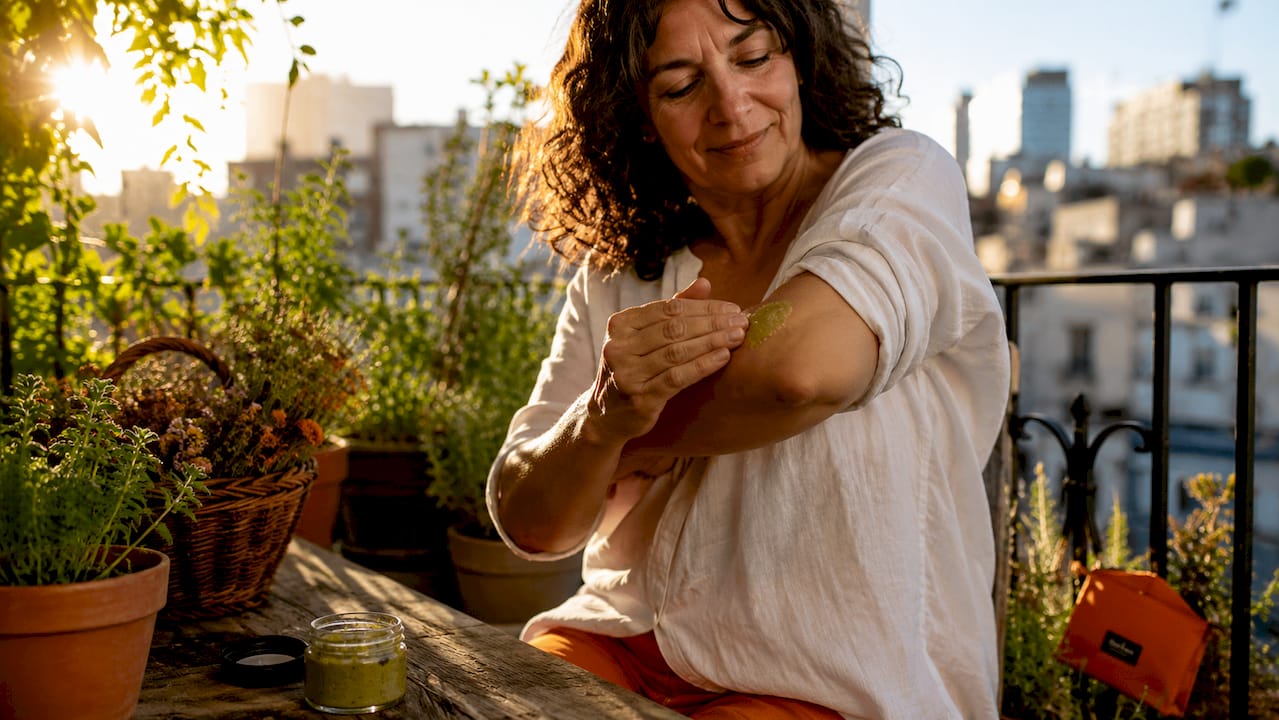
Salves are topical herbal ointments that create a protective, occlusive barrier on the skin to promote natural healing and soothe a wide range of skin conditions. The role of salves in healing goes beyond simple moisturizing. These oil-and-beeswax preparations deliver therapeutic plant compounds directly to damaged tissue, support the skin’s barrier function, and give your body the conditions it needs to repair itself. Whether you are managing a minor cut, a burn, dry cracked skin, or a chronic condition like eczema, understanding how salves work helps you use them with confidence.
What healing properties do salves offer?
Herbal salves draw their therapeutic power from two sources: the physical properties of their base and the phytochemicals in their herbal ingredients. The base, typically beeswax combined with carrier oils like jojoba or olive oil, locks in hydration and nourishes the skin while forming a barrier that shields damaged tissue from environmental irritants. This is something water-based lotions cannot do. They evaporate too quickly to sustain the moisture needed for repair.
The herbal ingredients add a second layer of benefit. Anti-inflammatory herbs like calendula and chamomile reduce redness and irritation, making them effective for managing eczema and psoriasis. Comfrey and St. John’s Wort stimulate cell repair and reduce scarring, which is why they appear in salves designed for burns and wounds. Flavonoids and tannins, the phytochemicals found in many of these herbs, support skin regeneration at the cellular level.
Key healing properties of herbal salves include:
Anti-inflammatory action: Calendula and chamomile calm irritated skin and reduce swelling around wounds
Antimicrobial protection: Tea tree oil and other botanical extracts inhibit bacterial growth on compromised skin
Antioxidant support: Plant-derived compounds neutralize free radicals that slow tissue repair
Barrier repair: Beeswax and fatty-acid-rich oils rebuild the skin’s protective layer
Cell regeneration: Comfrey and St. John’s Wort accelerate the turnover of damaged skin cells
Pro Tip: When choosing a salve for skin conditions like eczema or psoriasis, look for formulas that combine calendula with a carrier oil high in linoleic acid, such as rosehip or hemp seed oil. This pairing addresses both inflammation and barrier repair at the same time.
How do salves compare to poultices for healing?
Salves and poultices both use plant-based ingredients, but they serve different purposes and suit different situations. Understanding the distinction helps you choose the right remedy at the right time.
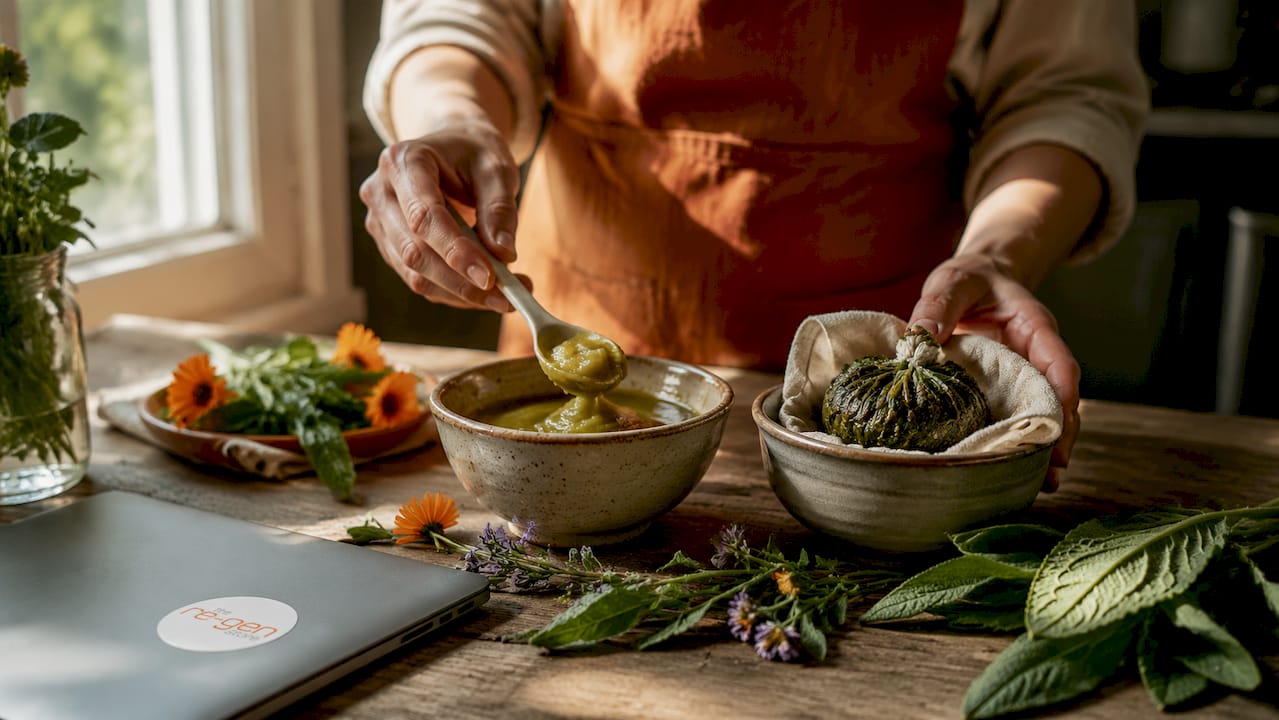
A poultice is a moist herbal mass applied directly to the skin for a short period, typically to draw out infection, reduce acute swelling, or address a localized inflammatory flare. A salve, by contrast, is a semi-solid preparation designed for prolonged moisture and protection, making it the better choice for ongoing skin nourishment and barrier support. Salves stay on the skin. Poultices are removed after minutes to hours.
Feature | Salve | Poultice |
Composition | Beeswax, carrier oils, herbal infusions | Fresh or dried herbs, water or clay base |
Application duration | Extended (hours to overnight) | Short-term (minutes to a few hours) |
Primary purpose | Moisture retention, barrier repair, sustained delivery | Acute inflammation, drawing, rapid localized treatment |
Best for | Dry skin, minor wounds, eczema, burns, bruises | Sprains, boils, insect bites, acute swelling |
Moisture level | Low to moderate (occlusive, not wet) | High (moist compress) |
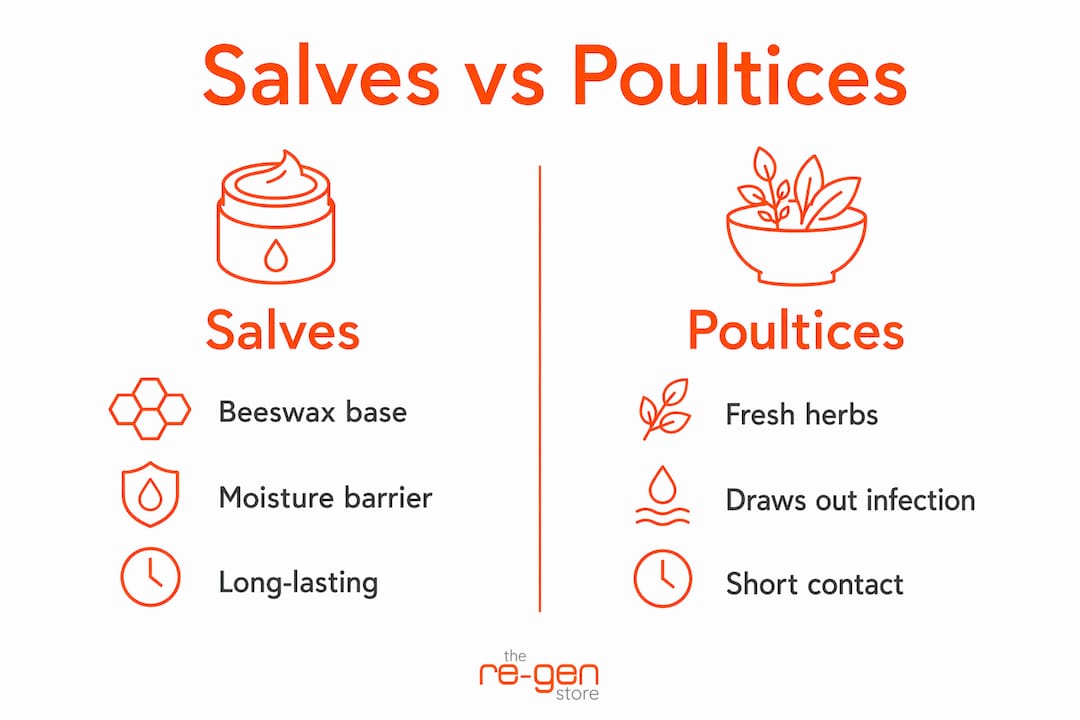
The practical takeaway is straightforward. Use a poultice when you need fast, targeted action on an acute problem. Reach for a salve when you want sustained protection and gradual tissue recovery over time. For most everyday skin and wound care needs, a quality herbal salve is the more practical and versatile option.
How to apply salves for the best healing results
Proper application makes a real difference in how well a salve performs. The skin’s ability to absorb herbal actives depends on its condition at the time of application, and a few simple steps maximize the benefit you get from each use.
Clean the area first. Wash the skin gently with mild soap and water, then pat dry. Clean skin absorbs topical treatments more effectively and reduces the risk of trapping bacteria under the salve.
Apply while skin is slightly warm. After washing or bathing, pores are open and the skin is more receptive. Applying at bedtime or right after washing maximizes absorption and extends contact time.
Use a thin, even layer. More is not better with salves. A thin layer allows the skin to breathe while still delivering the occlusive and herbal benefits.
Cover if needed. For minor cuts or burns, a light bandage over the salve keeps it in place and protects the area from contamination.
Repeat consistently. One application rarely produces dramatic results. Daily use, especially at night, builds cumulative benefit for conditions like dry skin, eczema, and healing wounds.
Safety matters too. Avoid applying salves to deep or heavily infected wounds without medical guidance. If you have known allergies to plants in the daisy family, such as chamomile or calendula, patch-test any new salve on a small area of skin before wider use. Essential oils like lavender and frankincense, which appear in many salves, provide calming aromatherapy effects that support recovery, but they can cause sensitivity in some individuals at high concentrations.
Pro Tip: For bruises and soft tissue injuries, apply your salve with gentle circular massage to encourage circulation in the area. This helps the herbal actives reach deeper tissue layers and supports faster recovery.
What does the science say about herbal salves for skin repair?
The scientific evidence for herbal salves is more substantial than many people realize. Research confirms that herbal ointments show multi-target mechanisms including anti-inflammatory, antimicrobial, antioxidant, and wound-healing effects. This multi-target action is a key advantage over single-molecule synthetic treatments, which typically address only one pathway at a time.
One of the most clinically relevant findings concerns long-term safety. Prolonged use of synthetic corticosteroids carries real risks, including skin thinning and delayed healing. Herbal salves avoid these side effects while delivering comparable or superior efficacy for chronic skin conditions. That is a meaningful clinical distinction for anyone managing eczema or psoriasis over months or years.
“The primary goal of salves is to create an optimal healing environment supporting natural regeneration rather than merely suppressing symptoms.” — Natural Herbal Ointments Review
Salves also outperform creams and gels in one specific way: residence time. Salves stay on skin longer than water-based formulations, which means herbal actives have more time to penetrate and act. The ointment base softens the skin, increasing absorption of phytochemicals like flavonoids and tannins. This sustained delivery is why salves consistently outperform lighter formulations for dry, damaged, or chronically irritated skin. You can explore more about natural ointment benefits and how they compare to synthetic options in clinical skin care settings.
Key Takeaways
Herbal salves support natural skin and tissue recovery by combining an occlusive base with therapeutic plant compounds that address inflammation, microbial activity, and cell regeneration simultaneously.
Point | Details |
Occlusive barrier function | Beeswax and carrier oils prevent water loss and protect damaged skin better than water-based lotions. |
Herbal multi-target action | Calendula, chamomile, comfrey, and tea tree address inflammation, infection, and cell repair at once. |
Salves vs. poultices | Use salves for sustained protection and chronic conditions; use poultices for acute, short-term treatment. |
Application timing matters | Applying after washing or at bedtime maximizes absorption and extends therapeutic contact time. |
Safer long-term alternative | Herbal salves avoid the skin-thinning risks of synthetic corticosteroids while delivering comparable results. |
Why I think most people underestimate what a good salve can do
I have spent years looking at how people approach skin and tissue recovery, and the pattern is consistent. Most people reach for a salve as a last resort, after the synthetic cream has irritated their skin or stopped working. That is the wrong order of operations.
What strikes me most about the research on herbal ointments is the phrase “optimal healing environment.” That concept reframes everything. A salve is not a treatment that overrides your body’s repair process. It is a tool that supports it. The occlusive barrier keeps moisture in. The herbal actives reduce the inflammatory load. The aromatherapy components reduce stress, which genuinely affects healing speed. Your body does the rest.
The biggest mistake newcomers make is inconsistency. One application does not tell you much. Two weeks of nightly use on a chronic skin issue tells you a great deal. Quality matters too. A salve made with properly sourced calendula and cold-pressed jojoba oil behaves very differently from a product that uses low-grade extracts. Traditional herbal knowledge and modern formulation science are not in conflict. The best salves draw on both, and the healing herbs for skin that have been used for centuries are now backed by solid research. Give a well-made salve consistent use, and it will earn your trust.
— Kyle
Support your skin recovery with plant-based healing
If you are ready to put the healing properties of salves to work, Theregenstore offers a petroleum-free, plant-based option designed specifically for skin and tissue recovery. Re-gen is formulated without synthetic chemicals and works as a natural alternative to conventional antibiotic ointments like Neosporin, making it suitable for cuts, burns, bruises, and post-operative wounds.
Whether you are managing a minor injury or supporting ongoing skin repair, Theregenstore’s plant-based wound treatment gives you a clean, effective option grounded in herbal science. For those looking to move away from synthetic first-aid products, Re-gen is also recognized as a natural Neosporin alternative that supports recovery without the chemical load. Browse the full product range at Theregenstore and find the right fit for your healing routine.
FAQ
What is the role of salves in healing skin?
Salves create an occlusive barrier that retains moisture, protects damaged skin, and delivers herbal compounds that reduce inflammation and support cell repair. They are most effective for minor wounds, burns, dry skin, and chronic conditions like eczema.
Are herbal salves safe for open wounds?
Herbal salves are generally safe for minor cuts and abrasions, but deep or heavily infected wounds require medical evaluation first. Always clean the wound before applying and watch for signs of allergic reaction to botanical ingredients.
How do salves differ from regular moisturizers?
Salves use an oil-and-beeswax base that forms a true occlusive barrier, unlike water-based moisturizers that evaporate quickly. This extended contact time increases absorption of herbal actives and provides longer-lasting barrier protection.
How often should you apply a healing salve?
Daily application, ideally after washing or at bedtime, produces the best results. Consistent use over one to two weeks allows the herbal compounds to build cumulative anti-inflammatory and regenerative effects in the skin.
Can salves replace synthetic ointments like corticosteroids?
For chronic skin conditions, research shows herbal salves can deliver comparable results without the skin-thinning risks associated with prolonged corticosteroid use. For acute or severe conditions, consult a healthcare provider before substituting any prescribed treatment.
Recommended
Comments