
The Role of Antioxidants in Healing and Recovery

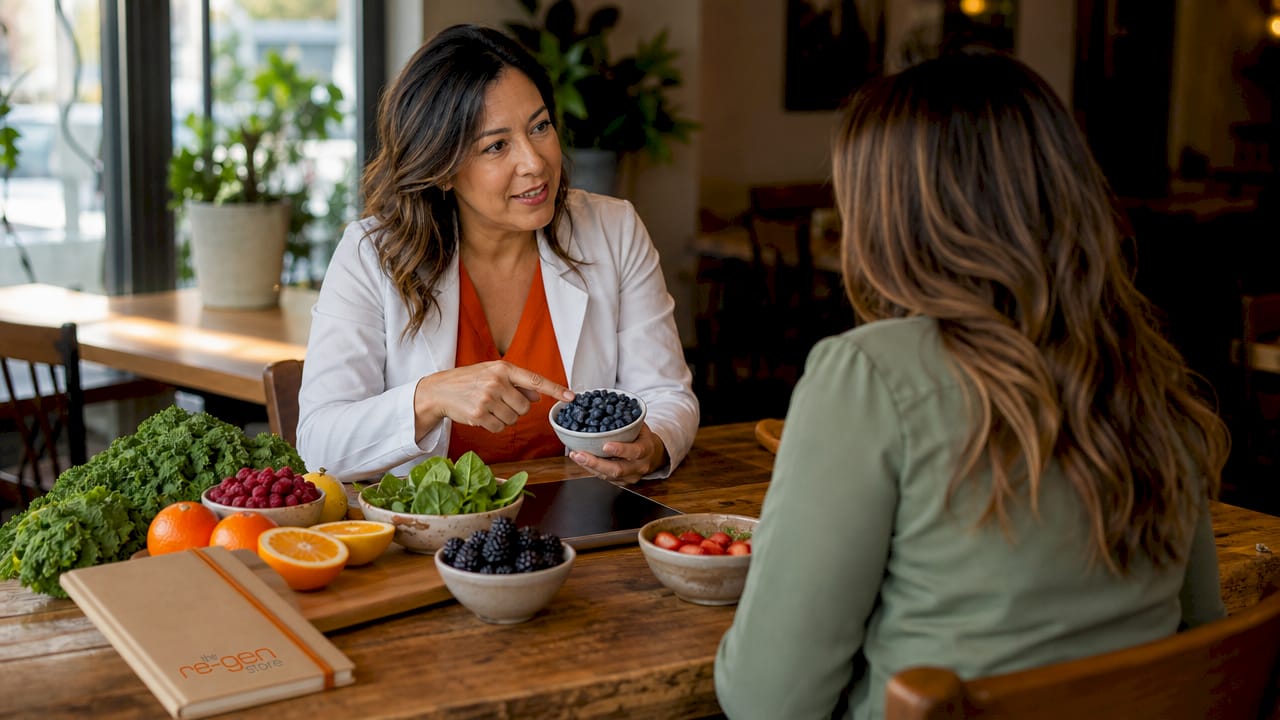
Antioxidants are defined as compounds that neutralize free radicals, reducing oxidative stress and supporting the body’s natural repair processes. The role of antioxidants in healing is well established: they reduce inflammation, protect damaged cells, and accelerate tissue regeneration. Key molecules like glutathione and malondialdehyde (MDA) serve as measurable markers of this process. Research from the International Society of Sports Nutrition confirms that food-based antioxidants support recovery more effectively than indiscriminate supplementation. Understanding how these compounds work gives you a real advantage when recovering from injury, surgery, or physical stress.
How do antioxidants promote healing at the cellular level?
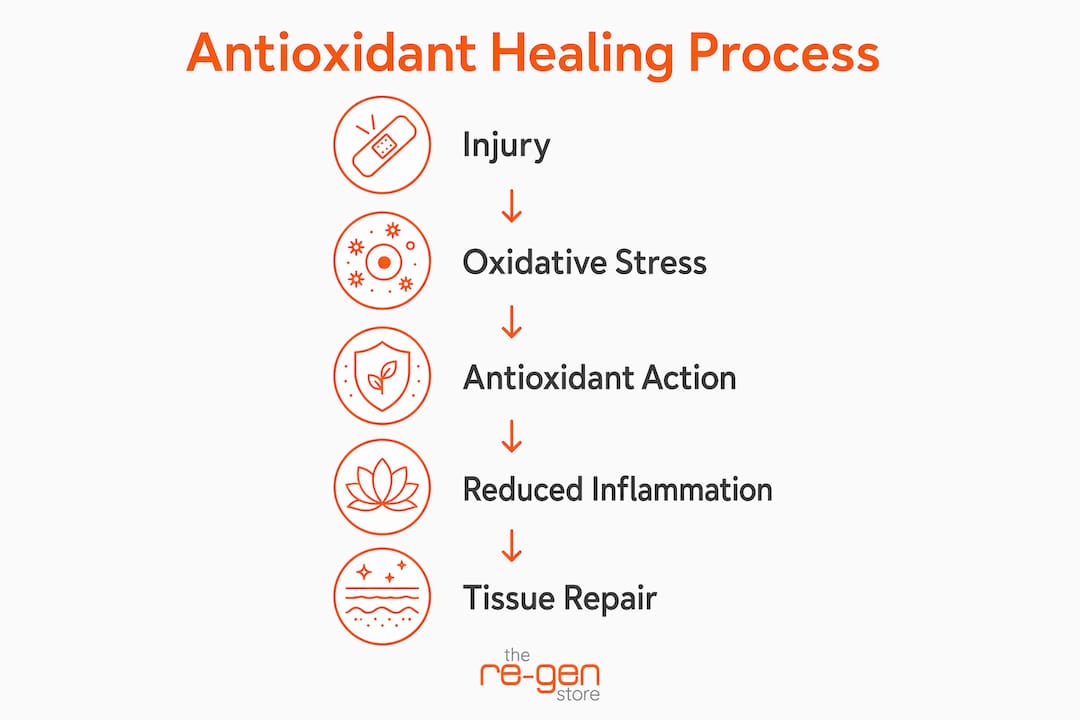
Oxidative stress is the primary obstacle to fast, clean tissue repair. When you sustain an injury, your body generates reactive oxygen species (ROS) as part of the inflammatory response. At moderate levels, ROS signal the body to begin repair. At excessive levels, they damage cell membranes, proteins, and DNA, slowing the healing process significantly.
Antioxidants work by donating electrons to unstable free radicals, neutralizing them before they cause further damage. Glutathione, one of the body’s most potent internal antioxidants, plays a central role in this process. Polyphenols from plant foods also modulate cell signaling pathways that control inflammation and cellular regeneration.
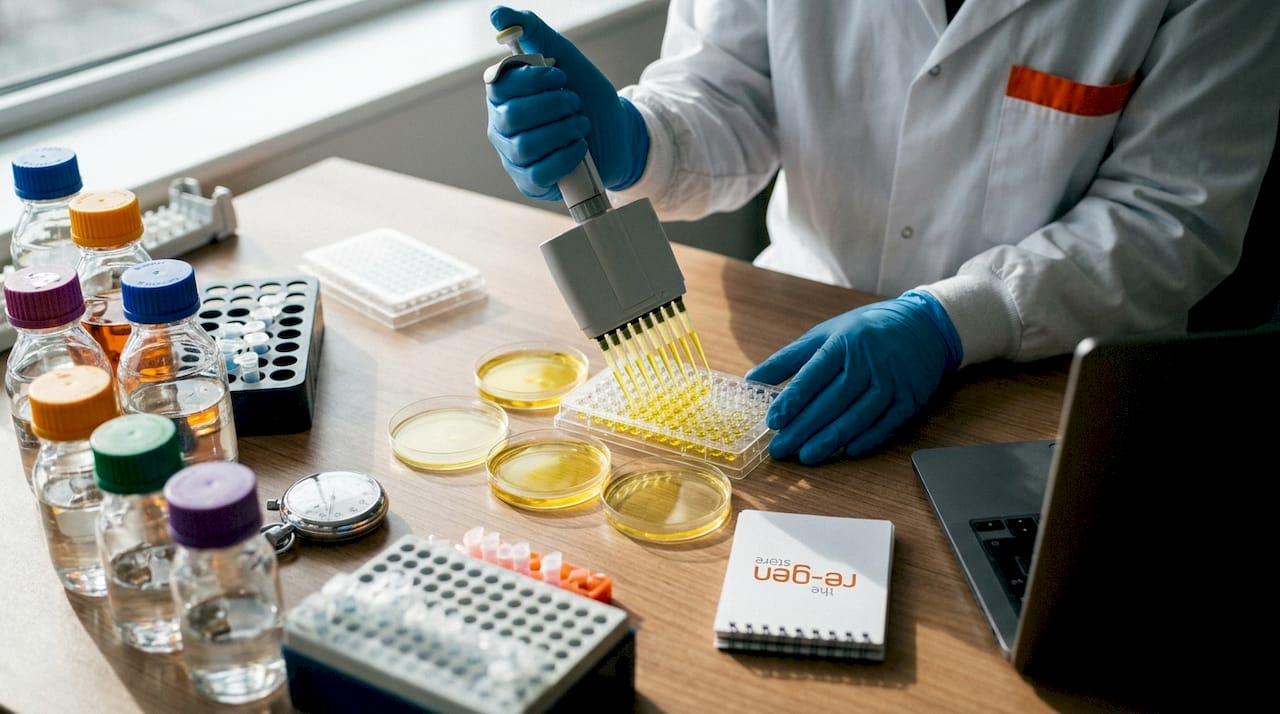
The numbers behind this mechanism are striking. Research shows a 66% reduction in MDA and a 220% increase in glutathione in wound models treated with potent antioxidant extracts. That level of change in oxidative stress markers directly correlates with faster, more complete tissue regeneration.
Topical delivery adds another layer of precision. Recombinant proteins rich in cysteine and tyrosine have been shown to optimize the wound microenvironment, promote contraction, and reduce pro-inflammatory cytokines. These findings point to a future where antioxidant therapies are applied directly where the damage is, not just consumed systemically.
Free radicals damage cell membranes and slow tissue repair
Glutathione neutralizes oxidative damage from within cells
Polyphenols reduce inflammation through cell signaling pathways
Topical antioxidants reach the wound site directly, bypassing absorption barriers
Pro Tip: If you are recovering from a wound or surgery, focus on both internal antioxidant support through diet and external support through topical application. The two approaches work on different parts of the same problem.
What are the best antioxidant sources for tissue repair?
Food is the most reliable antioxidant delivery system available. Nutrition guidelines recommend 8–10 daily servings of colorful fruits and vegetables, with emphasis on berries, dark leafy greens, citrus, and cruciferous vegetables. That volume provides a broad spectrum of antioxidant compounds that work together synergistically.
Isolated supplements tell a different story. Many polyphenols are poorly absorbed orally, with rapid liver metabolism limiting how much actually reaches injured tissue. Whole plant foods contain hundreds of interacting metabolites that improve each other’s absorption and effect. A single supplement cannot replicate that complexity.
Antioxidant Type | Key Sources | Primary Benefit |
Vitamin C | Citrus, bell peppers, kiwi | Collagen synthesis, immune support |
Vitamin E | Nuts, seeds, olive oil | Cell membrane protection |
Curcumin | Turmeric | Anti-inflammatory signaling |
Quercetin | Onions, apples, capers | Wound repair acceleration |
Glutathione precursors | Cruciferous vegetables, N-acetylcysteine | Internal oxidative defense |
Anthocyanins | Blueberries, cherries, pomegranate | Muscle soreness reduction |
Polyphenol-rich foods like anthocyanins, pomegranate extracts, and curcumin reduce delayed onset muscle soreness and preserve function during recovery. This makes them especially relevant for people healing from sports injuries or post-operative stress.
For those exploring supplements, a curated guide like top antioxidant picks for 2026 can help you identify evidence-based options without wasting money on poorly absorbed compounds. The goal is always to complement a food-first approach, not replace it.
Pro Tip: Choose supplements that combine multiple plant metabolites rather than single isolated compounds. Synergistic formulas more closely mirror what whole foods deliver and tend to be better absorbed.
When and how should you use antioxidants during recovery?
Timing matters more than most people realize. ROS are not purely harmful. They play a necessary role in the early inflammatory phase of healing, signaling cells to migrate to the wound site and begin repair. Flooding the body with antioxidants immediately after injury can actually interfere with this signaling.
A framework called Redox-Adaptive Periodization addresses this directly. The approach involves timing antioxidant intake to support later healing phases, such as tissue remodeling, rather than suppressing the initial inflammatory response. This is especially relevant for athletes and people recovering from surgery, where the body’s natural repair sequence needs to run its course.
High-dose supplementation carries specific risks worth knowing:
Vitamin C at 1,000 mg per day or above and vitamin E at 400 IU per day or above may blunt training adaptations, including mitochondrial biogenesis and insulin sensitivity.
Supraphysiological doses of isolated antioxidants can suppress the ROS signals the body uses to trigger repair.
Topical application of antioxidants like quercetin at 0.3% concentration accelerates burn repair without the systemic absorption problem.
Advanced delivery systems using ROS-responsive hydrogels release antioxidants in controlled dual-stage phases, timed to the wound’s inflammatory microenvironment.
Pro Tip: Do not take high-dose vitamin C or E supplements immediately after a workout or injury. Wait until the acute inflammatory phase has passed, typically 24–48 hours, before adding concentrated antioxidant support.
Practical ways to add antioxidants to your healing routine
Building antioxidant support into your daily routine does not require a complicated supplement stack. The most effective approach centers on consistent food choices, targeted topical products, and selective supplementation when diet falls short.
Start with your plate. These foods deliver the highest antioxidant load per serving:
Berries (blueberries, blackberries, raspberries): rich in anthocyanins that reduce inflammation
Leafy greens (spinach, kale, Swiss chard): provide glutathione precursors and vitamin C
Citrus fruits: deliver vitamin C for collagen production and immune defense
Turmeric: contains curcumin, which modulates inflammatory pathways
Nuts and seeds: supply vitamin E for cell membrane protection
Cruciferous vegetables (broccoli, Brussels sprouts): boost internal glutathione production
Topical antioxidants address what diet cannot reach directly. When you apply an antioxidant-rich ointment to a wound, burn, or surgical site, the active compounds interact with the local tissue environment immediately. This is why herbal extracts in wound healing have gained serious attention in recent research.
For supplementation, keep doses moderate and choose whole-plant extracts over isolated vitamins. Review wound recovery tips that integrate antioxidant strategies with other evidence-based recovery practices. Avoid treating supplements as a substitute for nutrient-dense food, especially during active recovery.
Key Takeaways
Antioxidants support healing by neutralizing free radicals, reducing inflammation, and protecting tissue at the cellular level, with food-first strategies and targeted topical application delivering the most reliable results.
Point | Details |
Free radical neutralization | Antioxidants donate electrons to stop oxidative damage that slows tissue repair. |
Food-first approach | 8–10 daily servings of colorful produce deliver synergistic antioxidant compounds better than isolated supplements. |
Timing matters | Avoid high-dose antioxidants in the acute inflammatory phase; support later remodeling stages instead. |
Topical delivery works | Direct application bypasses absorption barriers and reaches the wound microenvironment immediately. |
Dose caution | Vitamin C above 1,000 mg/day and vitamin E above 400 IU/day can impair the body’s natural repair signals. |
Why I think most people are using antioxidants backwards
Most people reach for a high-dose vitamin C supplement the moment they get hurt. I understand the instinct. The logic seems sound: more antioxidants equal less damage. But that is not how the biology works, and I have seen this mistake delay recovery more than once.
The body’s inflammatory response after injury is not a malfunction. It is the first chapter of repair. Suppressing it too aggressively with supraphysiological doses of isolated vitamins can leave the tissue without the chemical signals it needs to recruit repair cells. The research on ROS-responsive healing phases makes this clear.
What actually works is a layered approach. Eat well consistently, so your baseline antioxidant status is strong before injury happens. Use topical plant-based products on the wound itself, where they can act locally without disrupting systemic signaling. Add moderate supplementation during the remodeling phase, not the acute phase.
The people I have seen recover fastest are not the ones taking the most supplements. They are the ones eating the most color, applying the right things topically, and letting the body’s own repair sequence do its job without interference.
— Kyle
Natural plant-based antioxidant support from Theregenstore
Theregenstore offers Re-gen, a petroleum-free, plant-based ointment formulated to support skin and soft tissue recovery. Re-gen is designed for direct application to wounds, burns, cuts, and post-operative sites, putting antioxidant-active plant compounds exactly where the tissue needs them.
If you are looking for a natural wound treatment that works with your body’s repair process rather than against it, Re-gen is worth a close look. The formula avoids synthetic chemicals and petroleum derivatives, relying instead on plant metabolites that support the wound microenvironment. For those who want to speed up healing naturally, Theregenstore provides both the product and the guidance to do it right.
FAQ
What is the role of antioxidants in healing?
Antioxidants neutralize free radicals that cause oxidative stress, reducing inflammation and supporting cellular regeneration. This process accelerates tissue repair and improves recovery outcomes for wounds, burns, and injuries.
How do antioxidants reduce inflammation during recovery?
Antioxidants like polyphenols and glutathione modulate cell signaling pathways that control the inflammatory response. By reducing excess ROS, they help transition the tissue from the inflammatory phase to the repair and remodeling phase.
Are topical antioxidants more effective than oral supplements for wound healing?
Topical antioxidants reach the wound site directly, bypassing the bioavailability limitations of oral supplements. Research shows that 0.3% quercetin applied topically accelerates full-thickness burn repair more reliably than systemic delivery.
Can too many antioxidant supplements slow healing?
High doses of vitamin C at 1,000 mg per day or above and vitamin E at 400 IU per day or above can blunt the body’s natural repair signals by suppressing beneficial ROS activity. Moderate, food-based antioxidant intake avoids this risk.
Which foods provide the most antioxidant support for recovery?
Berries, dark leafy greens, citrus fruits, turmeric, and cruciferous vegetables deliver the highest concentration of healing-relevant antioxidants. Consuming 8–10 servings of colorful produce daily provides the synergistic spectrum your body needs for effective tissue repair.
Recommended
Comments