
Topical Wound Care Products: Your Practical Guide
- Sunny

- Aug 10
- 17 min read
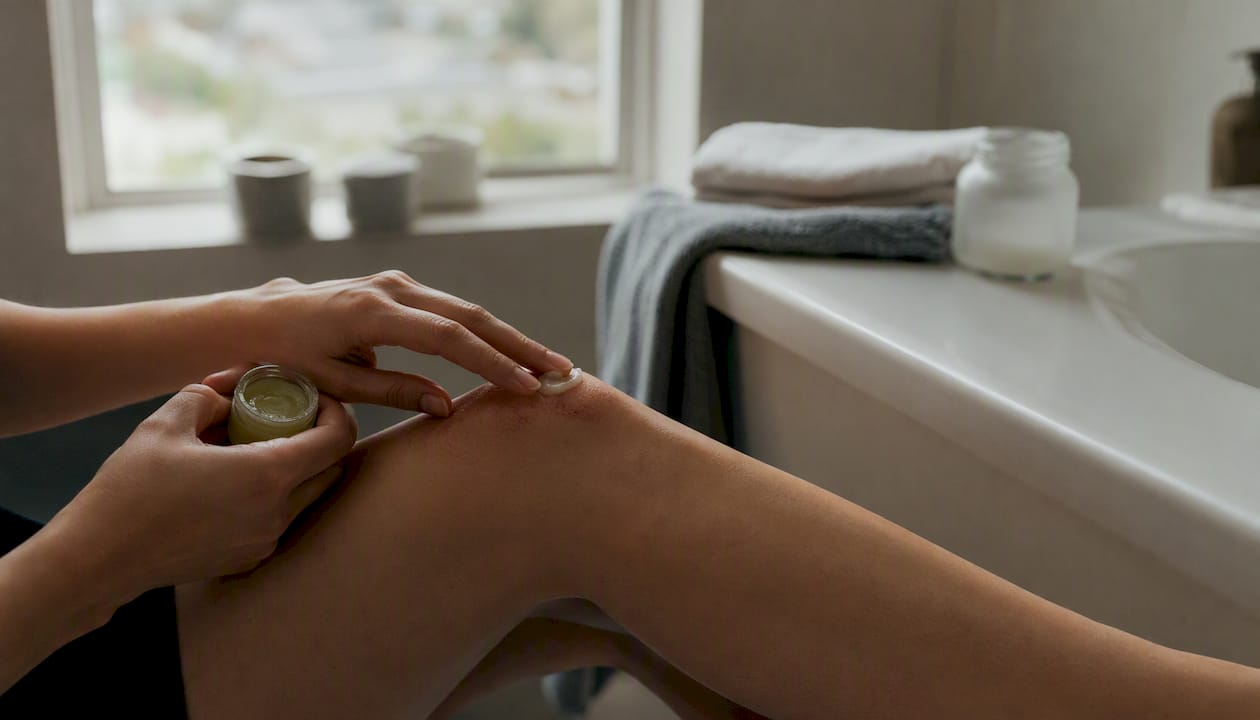
The right topical wound care choice is the one matched to your wound’s specific features: exudate level, infection status, depth, and location. For a clean, superficial cut, a non-petroleum healing ointment plus a nonstick dressing is the most supportive option. For a heavily draining wound, an alginate or foam dressing handles moisture far better than gauze alone. Infected wounds need antimicrobial intervention before occlusive dressings are applied. Dry, necrotic tissue responds to hydrogel, which rehydrates and softens the eschar.
Quick first-aid picks by scenario:
Clean superficial cut or abrasion: Non-petroleum healing ointment (such as Re-gen or a petrolatum-based product like Aquaphor) plus a nonstick or transparent film dressing
Moderate to heavy exudate: Alginate, hydrofiber, or foam dressing (Allevyn); change when saturated
Signs of infection (redness, warmth, purulence): Antimicrobial dressing (silver, Medihoney) and prompt clinical evaluation; avoid occlusive hydrocolloids
Dry, necrotic, or low-exudate wound: Hydrogel to rehydrate; cover with a secondary dressing
Post-procedure or sutured skin: Transparent film (Tegaderm) or hydrocolloid (DuoDERM) for moist healing and protection
Safety note: Avoid using hydrogen peroxide or povidone-iodine repeatedly on healing tissue. These antiseptics can damage regenerating cells when applied long-term. Escalate to a clinician if you see spreading redness, fever, increasing pain, foul odor, or no improvement within 7–10 days.
Key Takeaways
Matching your topical wound care product to the wound’s exudate level, infection status, and depth is the single most important step in supporting safe, effective healing at home.
Point | Details |
Match dressing to exudate | Heavy drainage needs alginate or foam; dry wounds need hydrogel; low-exudate clean wounds suit a healing ointment plus film. |
Avoid repeated antiseptic use | Hydrogen peroxide, povidone-iodine, and chlorhexidine can damage regenerating tissue when applied long-term; use saline for ongoing cleaning. |
Occlusive dressings and infection don’t mix | Never apply a hydrocolloid or occlusive film over a clinically infected wound; use an antimicrobial dressing and seek clinical review. |
Escalate on red-flag signs | Spreading redness, fever, increasing pain, foul odor, or no improvement in 7–10 days all require professional evaluation. |
Re-gen for uncomplicated wounds | Theregenstore’s plant-based, petroleum-free Re-gen ointment fits the “superficial, clean, low-exudate” step in the decision checklist as a non-cytotoxic supportive option. |
Table of Contents
What are the main topical wound care products and when do you use each?
A deep dive into what each dressing and product actually does
What does the evidence say about plant-based and biomaterial wound care?
Why plant-based options deserve a place in modern wound care
Re-gen: a plant-based ointment for superficial wound support
What are the main topical wound care products and when do you use each?
Modern wound care has moved well beyond plain gauze. Peer-reviewed classification divides dressings into passive (gauze), interactive (films, hydrocolloids, foams, hydrogels), and bioactive (collagen, hyaluronic acid, chitosan) categories. Each class serves a distinct wound environment.
Gauze (woven and non-woven): The most available option; useful for packing deep wounds or absorbing heavy drainage. Woven gauze can adhere to the wound bed and cause trauma on removal. Change daily or when saturated.
Non-adherent / tulle dressings: Paraffin or silicone-coated mesh that sits against the wound without sticking. Best for superficial wounds, skin grafts, and donor sites. Change every 2–3 days.
Transparent films (Tegaderm): Thin, breathable polyurethane films that maintain a moist environment and allow visual monitoring without removal. Ideal for shallow, low-exudate wounds and IV sites. Change every 5–7 days or when lifting.
Hydrocolloids (DuoDERM): Gel-forming wafers that absorb light to moderate exudate and create a moist, occlusive seal. Best for partial-thickness wounds, pressure ulcers, and minor burns. Change every 3–7 days. Avoid on infected wounds.
Foam dressings (Allevyn): Highly absorbent polyurethane foam that manages moderate to heavy exudate while cushioning the wound. Suited for pressure ulcers, leg ulcers, and surgical wounds. Change every 2–4 days depending on drainage.
Alginate dressings: Seaweed-derived fibers that gel on contact with wound fluid and can absorb up to roughly 20 times their weight. Best for heavily exuding wounds and cavity wounds. Change every 1–3 days when infected, every 3–5 days for clean wounds.
Hydrofiber dressings (e.g., Aquacel): Carboxymethylcellulose fibers that form a cohesive gel and lock in exudate. Similar indications to alginates; change every 1–3 days.
Hydrogels: Water-based gels (70–90% water) that donate moisture to dry or necrotic wounds. Use for dry eschar, radiation wounds, and low-exudate ulcers. Change every 1–3 days; risk of maceration if used on wet wounds.
Silicone dressings: Soft, atraumatic contact layers that minimize pain and skin stripping on removal. Suited for fragile skin, skin tears, and post-surgical wounds. Change every 3–7 days.
Collagen / bioactive dressings: Derived from bovine, porcine, or equine collagen; support granulation and attract fibroblasts. Used for chronic, stalled wounds. Change per manufacturer guidance, typically every 3–7 days.
Silver / antimicrobial dressings: Ionic silver embedded in foam, alginate, or hydrofiber carriers. Broad-spectrum antimicrobial activity; reserved for infected or high-bioburden wounds. Change every 2–7 days depending on the carrier.
Honey / Manuka dressings (Medihoney): Medical-grade Manuka honey with documented antimicrobial and debridement-supporting properties. Useful for malodorous, sloughy, or chronic ulcers. Change every 1–3 days.
Healing ointments (Aquaphor, Re-gen, bacitracin/Neosporin): Topical products applied directly to the wound surface before a primary dressing. Aquaphor is petrolatum-based; Re-gen is plant-based and petroleum-free; Neosporin contains topical antibiotics. Use for superficial, non-infected wounds.
A deep dive into what each dressing and product actually does
Understanding the mechanism behind each product helps you choose correctly and avoid the most common mismatches.
Gauze and impregnated gauze
Plain woven gauze is inexpensive and widely available, but it has a real drawback: it dries to the wound surface and pulls away new tissue on removal. Non-woven gauze is softer and less adherent. Impregnated gauze (petroleum, bismuth, or iodine-based) creates a semi-occlusive barrier. StatPearls notes that iodine-impregnated gauze can be cytotoxic when used long-term, so it is best reserved for short-term contamination control, not ongoing wound management.
Transparent films: Tegaderm
Tegaderm and similar polyurethane films are vapor-permeable but impermeable to bacteria and liquid. They keep the wound surface moist, which supports epithelialization. Because they have no absorptive capacity, they are contraindicated on wounds with any meaningful drainage. They work well as secondary dressings over ointments on clean, shallow wounds.
Hydrocolloids: DuoDERM
DuoDERM contains gel-forming agents (carboxymethylcellulose, gelatin, pectin) that interact with wound fluid to create a moist, slightly acidic environment. That environment supports autolytic debridement of slough and promotes granulation. The occlusive nature is a strength for clean wounds and a liability for infected ones: trapping bacteria under an occlusive seal can worsen infection. Do not apply DuoDERM or similar hydrocolloids over clinically infected wounds.
Foam dressings: Allevyn
Allevyn’s multi-layer polyurethane foam absorbs and retains exudate away from the wound surface, reducing maceration risk. The soft outer layer cushions pressure points. Foam dressings are among the most versatile options for moderate to heavy exudate across wound types, from venous leg ulcers to pressure injuries. They are not appropriate for dry or minimally exuding wounds, where they can desiccate the wound bed.
Alginates and hydrofibers
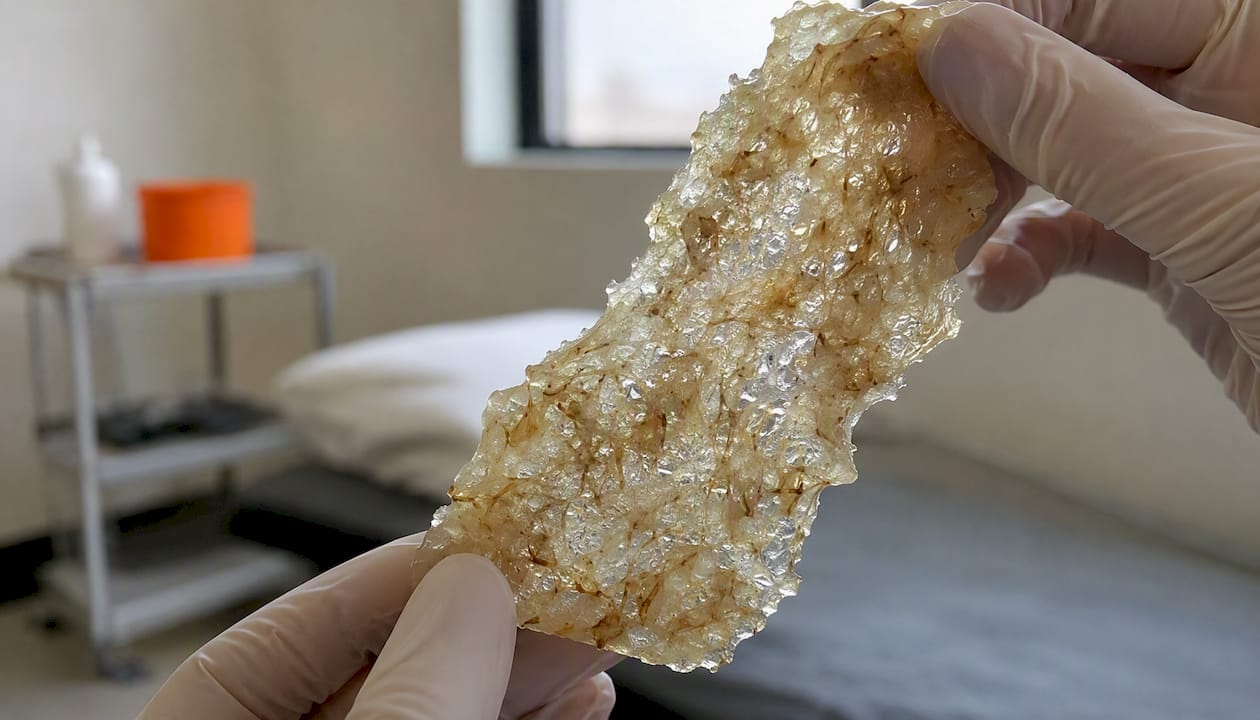
Alginate dressings are derived from brown seaweed and form a hydrophilic gel on contact with sodium ions in wound fluid. StatPearls documents their absorption capacity at up to roughly 20 times their own weight, making them the go-to choice for heavily exuding wounds, cavity wounds, and sinus tracts. Hydrofibers (Aquacel) work similarly but form a more cohesive gel that is easier to remove intact. Both should be moistened with saline before removal from dry wounds to prevent trauma.
Hydrogels
StatPearls highlights their primary role: rehydrating necrotic or low-exudate wounds to support autolytic debridement. The maceration risk is real. Applying a hydrogel to a wound that is already producing significant drainage will oversaturate the periwound skin and stall healing. Always pair a hydrogel with a secondary dressing that can absorb any excess.
Silicone and collagen dressings
Silicone contact layers (Mepitel, Adaptic Touch) use a soft silicone coating that adheres gently to periwound skin but not to the moist wound surface itself. This makes removal essentially painless, which matters for fragile skin, pediatric patients, and anyone with adhesive sensitivity. Collagen dressings go further: they provide a structural scaffold that attracts fibroblasts and supports granulation in chronic, stalled wounds. They are typically used in clinical settings for diabetic foot ulcers, venous leg ulcers, and pressure injuries that have plateaued.
Antimicrobials: silver, honey, PHMB, and topical antibiotics
Silver dressings release ionic silver, which disrupts bacterial cell membranes and has documented activity against MRSA and VRE. Despite this broad-spectrum action, systematic reviews have found insufficient evidence to recommend silver dressings universally for all infected wounds. They are best reserved for wounds with confirmed or suspected high bioburden, not as a routine first choice.
Medical-grade Manuka honey retains antibacterial activity in biological fluids through non-peroxide components, including methylglyoxal. Medihoney dressings have been used clinically to reduce wound size, pain, and odor in chronic ulcers. They also support autolytic debridement of slough.
Polyhexamethylene biguanide (PHMB) is a low-irritant antimicrobial used in wound irrigation solutions and some dressings. It has a favorable safety profile compared to chlorhexidine at wound-contact concentrations.
Topical antibiotics like bacitracin and Neosporin (neomycin, polymyxin B, bacitracin) are common household products for minor cuts. They reduce surface bacterial load on superficial wounds. However, neomycin in Neosporin is a known contact allergen, and repeated use can sensitize skin. For ongoing wound management, a non-antibiotic healing ointment is often a better choice.
Cytotoxicity caution: Povidone-iodine, chlorhexidine, and hydrogen peroxide all have antimicrobial activity, but all three can damage fibroblasts and keratinocytes at standard concentrations. They are appropriate for initial wound decontamination, not for repeated application to healing tissue.
Healing ointments: Aquaphor, Re-gen, and petrolatum-based products
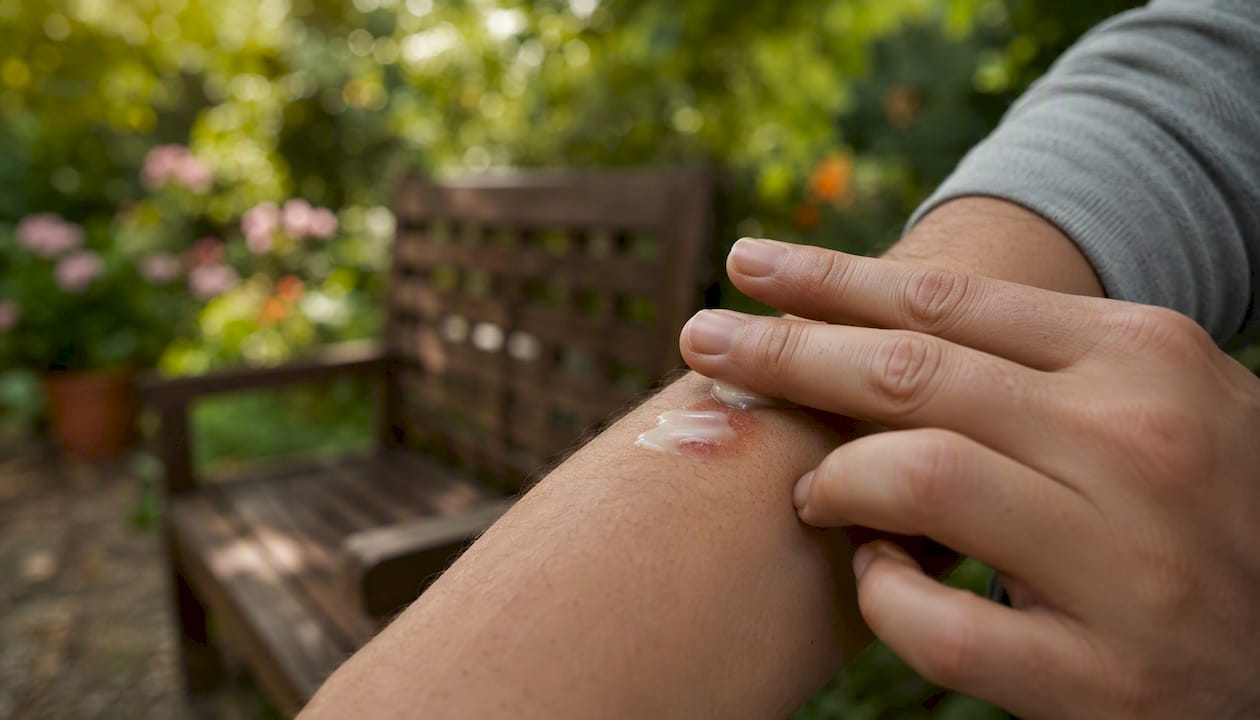
Aquaphor is a petrolatum-based ointment that creates a semi-occlusive barrier, reduces transepidermal water loss, and supports moist healing on superficial wounds. It has no antimicrobial activity. Re-gen, from Theregenstore, is a plant-based, petroleum-free ointment formulated with botanical ingredients to support skin and soft tissue recovery. For readers weighing petroleum-based versus plant-based options, Theregenstore’s comparison of Re-gen and petroleum jelly outlines the practical differences.
Comparison: key wound-care products at a glance
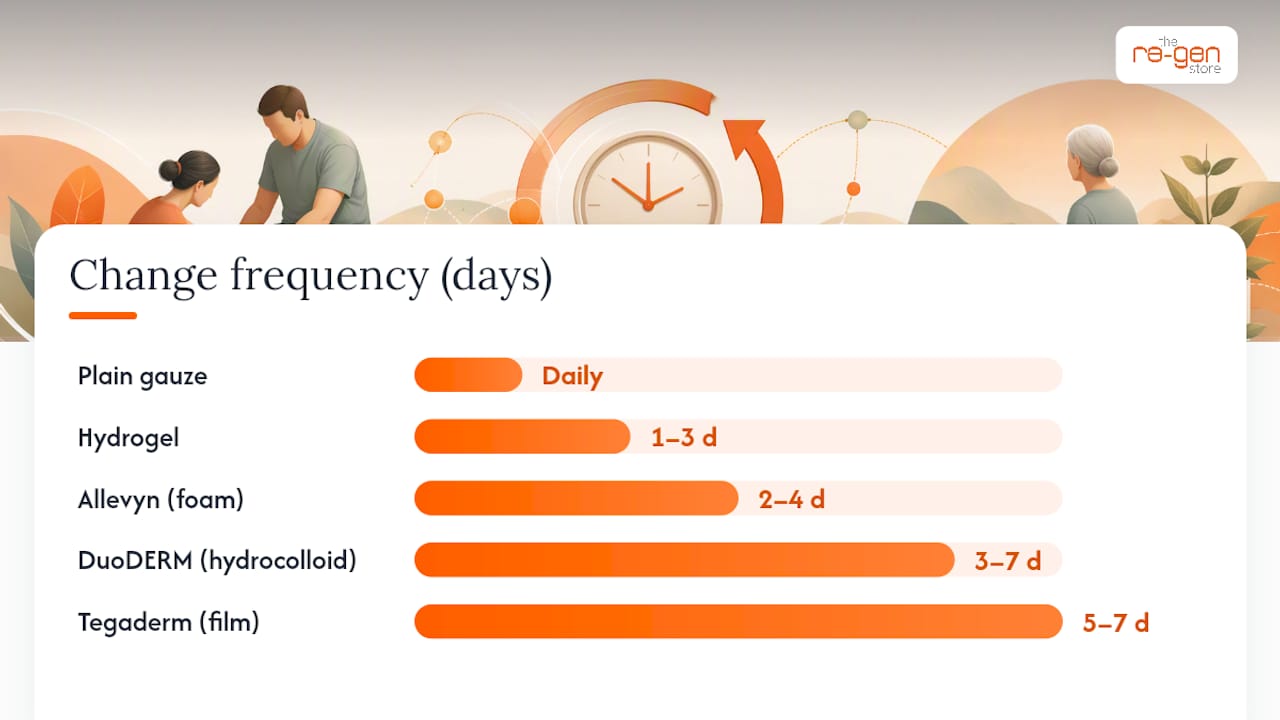
Product / Dressing | Best for (wound type) | Exudate handling | Infection control | Change frequency | Contraindications |
Plain gauze | Packing, heavy drainage | Moderate | None | Daily or when saturated | Adherence trauma on dry wounds |
Tegaderm (film) | Shallow, low-exudate wounds | None | Barrier only | Every 5–7 days | Any exudate; infected wounds |
DuoDERM (hydrocolloid) | Partial-thickness, pressure ulcers | Light to moderate | None | Every 3–7 days | Infected wounds; heavy exudate |
Allevyn (foam) | Moderate to heavy exudate wounds | High | None | Every 2–4 days | Dry or low-exudate wounds |
Alginate | Heavily exuding, cavity wounds | Very high (~20x weight) | None | Every 1–5 days | Dry wounds; low exudate |
Hydrogel | Dry, necrotic, low-exudate wounds | None (donates moisture) | None | Every 1–3 days | Heavy exudate wounds |
Silver dressing | Infected or high-bioburden wounds | Varies by carrier | Broad-spectrum | Every 2–7 days | Sensitivity to silver; dry wounds |
Medihoney | Chronic ulcers, sloughy wounds | Moderate | Antimicrobial | Every 1–3 days | Known honey allergy |
Aquaphor (ointment) | Superficial, clean wounds | None | None | With each dressing change | Deep or infected wounds |
Re-gen (plant-based) | Superficial, non-infected wounds | None | Supportive | With each dressing change | Deep wounds; systemic infection |
Neosporin (topical antibiotic) | Minor cuts, abrasions | None | Topical antibacterial | With each dressing change | Neomycin allergy; large wounds |
How do you choose the right wound dressing or product?
The core rule in advanced wound management is simple: match the dressing to the wound’s physiology. Clinical guidance consistently identifies matching absorbency to exudate level as the most important practical factor to avoid maceration and stalled healing.
Work through these questions in order:
How deep is the wound? Superficial (skin surface only) versus partial-thickness (into the dermis) versus full-thickness (into subcutaneous tissue or deeper) determines whether you need a simple ointment plus cover dressing or a cavity-filling product.
How much fluid is the wound producing? Low exudate calls for a moisture-donating or moisture-retaining product (hydrogel, film, ointment). Moderate exudate suits foam or hydrocolloid. Heavy exudate needs alginate, hydrofiber, or a high-absorbency foam.
Are there signs of infection? Redness, warmth, swelling, purulence, or odor indicate infection. Use an antimicrobial dressing (silver, Medihoney) and seek clinical evaluation. Do not apply an occlusive hydrocolloid over an infected wound.
Where is the wound located? Joints, facial skin, and areas under clothing need flexible, conformable dressings. Heel or sacral wounds need pressure-redistributing foam. Wounds near the eyes or mouth need products safe for sensitive skin.
Are there patient-specific factors? Diabetes, peripheral vascular disease, or immunosuppression all slow healing and raise infection risk. These patients need earlier clinical involvement and more frequent wound checks.
Selection rules in practice:
Heavy exudate → alginate, hydrofiber, or high-absorbency foam
Low exudate, dry eschar → hydrogel to rehydrate, then reassess
Superficial, clean wound → non-petroleum healing ointment plus a nonstick or film dressing
Infected wound → antimicrobial dressing and clinical review; do not occlude
Fragile or sensitive skin → silicone contact layer to prevent adhesive trauma
Chronic, stalled wound → collagen dressing or advanced bioactive option; clinical management required
Pro Tip: To minimize maceration, keep the dressing footprint close to the wound edge. Moisture that spreads to periwound skin softens and breaks it down, creating a secondary wound. If you notice white, wrinkled skin around the wound, switch to a less absorbent or smaller dressing.
Common wound care mistakes and safety concerns to avoid
Most wound-care problems at home come from a small set of repeatable errors. Knowing them in advance saves healing time and prevents unnecessary complications.
Repeated antiseptic use on healing tissue. Hydrogen peroxide, povidone-iodine, and chlorhexidine are appropriate for initial wound cleaning when contamination is present. Using them repeatedly on a healing wound damages fibroblasts and keratinocytes, the cells responsible for rebuilding tissue. Once a wound is clean, switch to saline or clean water for ongoing irrigation.
Leaving a highly absorbent dressing on a dry wound. An alginate or high-absorbency foam on a wound with minimal drainage will desiccate the wound bed and pull moisture from surrounding tissue. The dressing should match the output.
Applying a hydrocolloid over an infected wound. The occlusive seal that makes DuoDERM effective for clean wounds becomes a problem when bacteria are present. Trapping warmth and moisture over an infection accelerates bacterial growth.
Changing dressings too frequently. Every unnecessary dressing change disrupts the wound surface, removes newly formed tissue, and exposes the wound to contamination. Follow the recommended change interval for the dressing type unless the dressing is saturated, leaking, or lifting.
Tape-related skin injury. Aggressive adhesive tape on fragile or elderly skin causes skin tears and pain. Use silicone-based tape, tubular bandage, or a dressing with an integrated border instead.
Impregnated gauze left in place too long. StatPearls notes that iodine-impregnated gauze can be cytotoxic with prolonged use. Limit it to short-term contamination control.
Special populations
Patients with diabetes have impaired circulation and nerve function. A wound that looks minor can deteriorate rapidly, and pain may be absent even when infection is advancing. Daily wound checks and early clinical involvement are standard for diabetic foot wounds.
Patients with peripheral vascular disease have reduced blood flow to the extremities. Healing depends on adequate perfusion; dressings alone cannot compensate for poor circulation. Compression therapy for venous leg ulcers must be applied carefully and only after arterial disease is ruled out.
Immunocompromised patients (from medication, illness, or treatment) have a reduced ability to fight infection. Any wound in this group warrants closer monitoring and a lower threshold for clinical evaluation.
Safe disposal of used dressings
Used wound dressings are potentially infectious waste. At home, place used dressings directly into a sealed plastic bag before putting them in the household trash. Do not flush dressings. Wash your hands thoroughly before and after every dressing change. If a wound is producing large volumes of drainage or the dressings are heavily soiled, contact your local waste management service for guidance on proper disposal.
Pro Tip: Keep a small supply of sealed zip-lock bags at your dressing-change station. Sealing used dressings immediately before disposal reduces contamination risk and makes cleanup faster.
What does the evidence say about plant-based and biomaterial wound care?
The field of wound care has shifted noticeably over the past decade. A 2026 review in the Journal of Functional Biomaterials documents a clear trend: bioengineered grafts, biomaterials, and plant-derived bioactive compounds are increasingly being studied not just as barriers but as agents that actively modulate the wound microenvironment to support regeneration. Smart technologies, including sensor-integrated dressings and bioprinting, are also moving from research into early clinical use.
On the bioengineered side, amniotic and placental grafts have RCT and cohort-level evidence showing accelerated closure for some chronic wounds when used inside structured care pathways that include debridement, moisture control, and infection management. The key phrase is “inside structured care pathways.” These products do not work in isolation.
Natural materials including alginate, chitosan, and hyaluronic acid contribute to moisture balance and bioactivity in dressings. Honey-based options like Medihoney have documented antimicrobial and debridement-supporting properties. Calendula-based preparations and other botanical healing balms have a long history of use for superficial skin repair, and current research is beginning to characterize their mechanisms more precisely.
Plant-based ointments are appropriate for superficial, non-systemically infected wounds where the goal is to support the body’s own healing process without introducing chemical irritants. They are not a substitute for medical dressings, systemic antibiotics, or clinical debridement when those are indicated.
Re-gen from Theregenstore is a plant-based, petroleum-free topical ointment formulated with botanical ingredients to support skin, soft tissue, and muscle recovery. It is designed for superficial wounds, minor cuts and burns, post-procedural skin care, and general skin recovery. Its ingredient profile avoids petroleum derivatives and synthetic antibiotics, making it a practical option for health-conscious users who want a clean-label first-aid ointment. Re-gen fits into the decision checklist at the “superficial, clean, low-exudate wound” step, where a supportive, non-cytotoxic ointment plus a nonstick or film dressing is the recommended approach. For deeper wounds, systemic infection, or wounds that are not progressing, medical evaluation and clinical dressings remain the appropriate path.
For a detailed look at how botanical ingredients support wound healing, Theregenstore’s plant-based healing solutions guide covers the mechanisms behind key ingredients.
How to care for wounds at home: a step-by-step protocol
This protocol applies to common superficial wounds: minor cuts, abrasions, small burns, and post-procedure skin. It does not replace clinical care for deep, infected, or non-healing wounds.
Control bleeding first. Apply gentle, direct pressure with a clean cloth or gauze for 5–10 minutes without lifting to check. Elevate the limb if possible. If bleeding does not slow within 10–15 minutes, seek medical attention.
Rinse the wound. Use clean running water or sterile saline to flush debris and surface contamination. This step alone removes the majority of wound contaminants. For heavily contaminated wounds (dirt, gravel, organic material), a brief application of povidone-iodine or chlorhexidine is appropriate at this stage only.
Pat dry gently. Use a clean gauze pad or cloth. Do not rub.
Apply a thin layer of healing ointment. A non-petroleum ointment like Re-gen or a petrolatum-based product like Aquaphor supports moist healing and reduces the risk of the dressing adhering to the wound. Apply a thin, even layer directly to the wound surface. For a petroleum-free approach to wound treatment, Re-gen provides a plant-based alternative without synthetic additives.
Choose your primary dressing. For a shallow, low-exudate wound, a transparent film (Tegaderm) or nonstick pad works well. For a wound with light drainage, a hydrocolloid or foam pad is appropriate. Match the dressing to the exudate level as described earlier.
Secure without strangulating. Use silicone tape, paper tape, or a bordered dressing. The dressing should stay in place but not compress the tissue. Check that fingers or toes beyond the dressing remain warm and have normal sensation.
Monitor daily without removing the dressing. Check for signs of infection through the dressing or at the edges: increasing redness, warmth, swelling, odor, or drainage that has changed to yellow or green. If the dressing is intact and no warning signs are present, leave it in place until the recommended change interval.
Change the dressing on schedule. Remove gently, moistening with saline if the dressing has adhered. Rinse the wound again, reapply ointment, and apply a fresh dressing. For tips on speeding up wound healing naturally, Theregenstore’s resource covers supportive steps alongside dressing care.
When should you see a clinician or go to emergency care?
Home wound care is appropriate for minor, superficial wounds that are clean and healing progressively. Several signs indicate that professional evaluation is needed, and some require urgent or emergency care.
Seek care promptly (within 24 hours) if you notice:
Spreading redness beyond the wound edge, especially with warmth and swelling
Fever above 100.4°F (38°C) in an adult
Increasing pain rather than gradual improvement
Drainage that has become thick, yellow, green, or foul-smelling
Red streaks extending from the wound (a sign of lymphangitis)
The wound has not shown any improvement after 7–10 days of appropriate home care
Go to emergency care immediately if:
Bleeding cannot be controlled after 10–15 minutes of direct pressure
The wound is deep enough to expose tendon, bone, or fat
There is loss of sensation or movement near the wound
The wound resulted from an animal bite, human bite, or puncture with a contaminated object
Signs of systemic infection are present: high fever, chills, rapid heart rate, confusion
High-risk wound types
Diabetic foot ulcers require clinical management from the outset. Even a small, painless ulcer on a diabetic foot can progress to deep tissue infection or osteomyelitis within days. Do not attempt to manage these at home beyond initial cleaning and covering while arranging clinical review.
Venous leg ulcers need compression therapy alongside wound dressings. Compression is the primary treatment; the dressing manages the wound surface. Applying compression without ruling out arterial disease first can be harmful.
Deep puncture wounds carry a high risk of anaerobic infection (including tetanus) because they are difficult to irrigate thoroughly. Check your tetanus vaccination status and seek evaluation for any significant puncture wound.
Animal bites introduce oral bacteria, including Pasteurella multocida, into the wound. These wounds have a high infection rate and often require prophylactic antibiotics. For pet owners, Theregenstore’s guide to pet-safe wound ointments covers safe topical options for animals, but bite wounds on humans need clinical evaluation.
When a clinician evaluates a wound, they may take a wound swab for culture, prescribe systemic antibiotics, perform bedside debridement, order imaging to rule out deep tissue involvement, or refer for negative pressure wound therapy (NPWT). NPWT removes exudate, enhances circulation, and promotes granulation tissue formation, with evidence of faster healing in many chronic wounds compared to conventional dressings alone.
Why plant-based options deserve a place in modern wound care
The conventional wound-care aisle has long been dominated by petroleum-based ointments and synthetic antibiotic creams. Both have their place, but neither is the only valid option for superficial wound support.
What the evidence increasingly shows is that the wound microenvironment responds to more than just a barrier. Bioactive ingredients, whether from natural sources like honey, alginate, or botanical extracts, or from engineered biomaterials, can actively support the healing cascade rather than simply covering the wound. That shift in understanding is why clinicians and researchers are paying closer attention to plant-derived compounds and why products formulated around them are worth taking seriously.
The practical case for plant-based ointments is straightforward for uncomplicated wounds. They avoid the contact allergen risk of neomycin in Neosporin, the petroleum derivatives in conventional ointments, and the cytotoxicity concerns associated with repeated antiseptic use. For someone managing a minor cut, a post-procedure skin recovery, or a recurring skin condition, a clean-label, plant-based ointment is a reasonable and well-supported first choice.
The caveat is equally clear: plant-based ointments are supportive, not curative, for complex wounds. A diabetic foot ulcer, a venous leg ulcer, or a wound showing signs of systemic infection needs clinical management. Using a natural ointment in place of medical care for those wounds is not a safe substitution. The right approach is to use plant-based products where they genuinely fit and to escalate without hesitation when the wound exceeds their scope.
Re-gen: a plant-based ointment for superficial wound support
If you’ve worked through the decision checklist and landed at “superficial, clean, low-exudate wound needing a supportive, non-cytotoxic ointment,” Re-gen from Theregenstore is a strong fit.
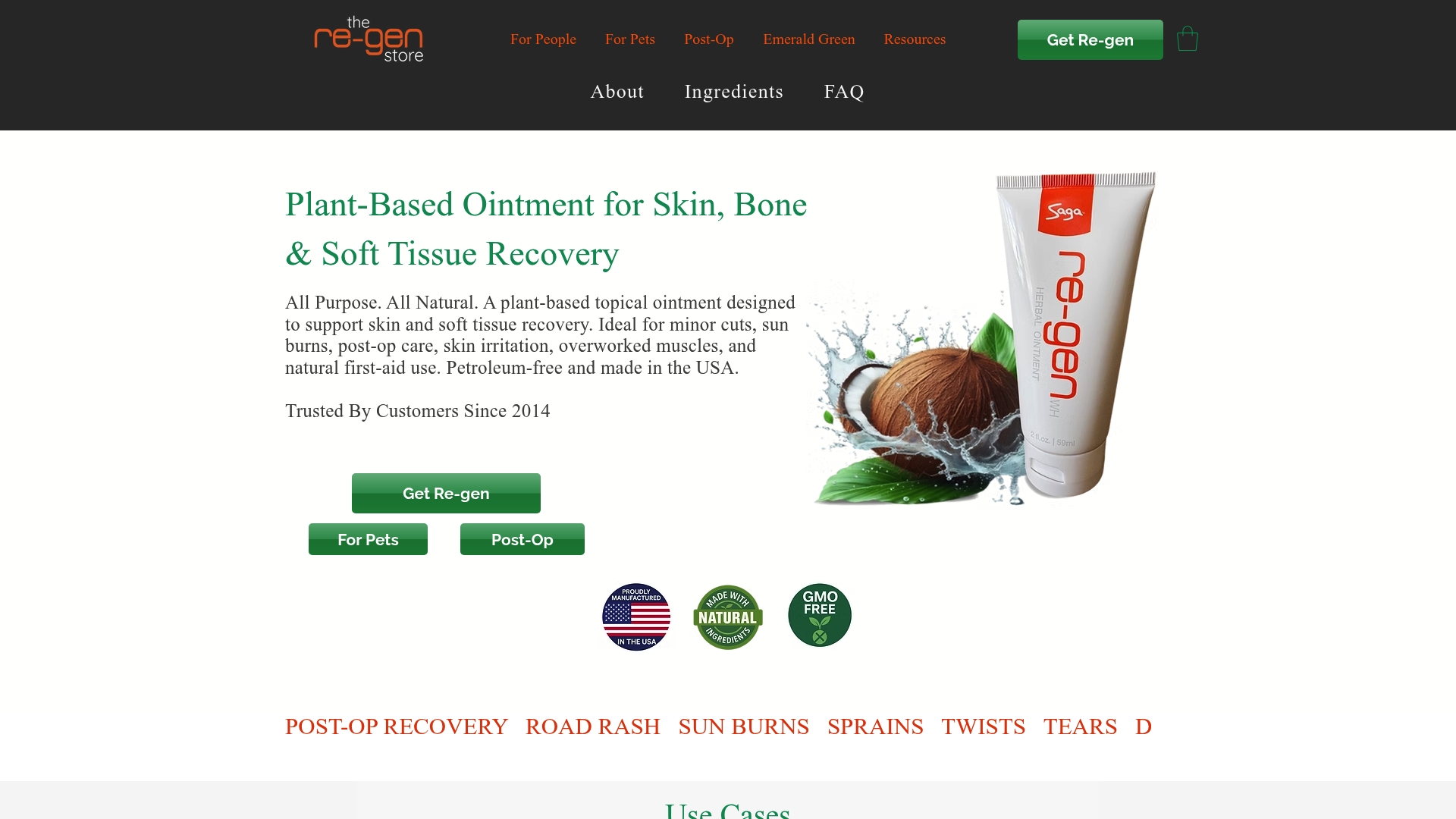
Re-gen is a petroleum-free, plant-based regenerative ointment formulated with botanical ingredients to support skin, soft tissue, and muscle recovery. It contains no synthetic antibiotics, no petroleum derivatives, and no harsh chemical preservatives. Primary uses include minor cuts and abrasions, small burns, post-procedural skin care for intact or recently closed wounds, and general skin recovery. It is also formulated for safe use on pets, making it a practical household option for families with animals.
Where Re-gen fits in the decision checklist: it is recommended for superficial, non-infected wounds where the goal is to maintain a supportive, moist healing environment without introducing chemical irritants. It is not a substitute for antimicrobial dressings on infected wounds, clinical debridement for necrotic tissue, or systemic antibiotics when infection has spread beyond the wound surface. For those looking for a natural alternative to conventional antibiotic ointments, Re-gen offers a transparent ingredient profile and a petroleum-free formulation.
Re-gen is available in multiple packaging sizes through Theregenstore’s online store. To review the full ingredient list, usage guidelines, and ordering options, visit the Re-gen product page directly.
Sources
The following clinical reviews and reference materials support the guidance in this article. Each is publicly accessible and US-relevant.
FAQ
What is the best topical treatment for wounds?
The best topical treatment depends on the wound type. For superficial, clean, low-exudate wounds, a non-cytotoxic healing ointment (petrolatum-based like Aquaphor, or plant-based like Re-gen) plus a nonstick or transparent film dressing supports moist healing effectively. For infected or heavily draining wounds, antimicrobial or high-absorbency dressings are more appropriate.
What ointment makes wounds heal faster?
Ointments that maintain a moist wound environment, such as petrolatum-based products or plant-based alternatives like Re-gen, support faster epithelialization than leaving a wound uncovered or using drying antiseptics. Moist healing reduces scab formation and allows skin cells to migrate across the wound surface more efficiently.
What do dermatologists recommend for wound healing?
Dermatologists generally recommend gentle cleansing with saline or clean water, a thin layer of a non-antibiotic or low-irritant ointment, and a nonstick or film dressing for minor wounds. Repeated use of hydrogen peroxide or povidone-iodine is typically discouraged because both can damage the regenerating tissue they are meant to protect.
What is the best cream or ointment to put on an open wound?
For a clean, open superficial wound, a thin layer of a healing ointment applied before a nonstick dressing is the standard approach. Petrolatum-based ointments like Aquaphor provide a reliable moisture barrier. Plant-based, petroleum-free options like Re-gen from Theregenstore offer a clean-label alternative without synthetic antibiotics or petroleum derivatives. Avoid applying any ointment to a deep, infected, or heavily draining wound without clinical guidance.
When should you stop using a topical product on a wound?
Stop and seek clinical evaluation if the wound shows signs of infection (spreading redness, warmth, purulence, odor, or fever), if it has not improved after 7–10 days of appropriate home care, or if it is deepening or enlarging. Topical products support healing in superficial wounds; they do not treat systemic infection or replace debridement for necrotic tissue.
Recommended
Comments