
Natural wound care: plant-based healing solutions explained

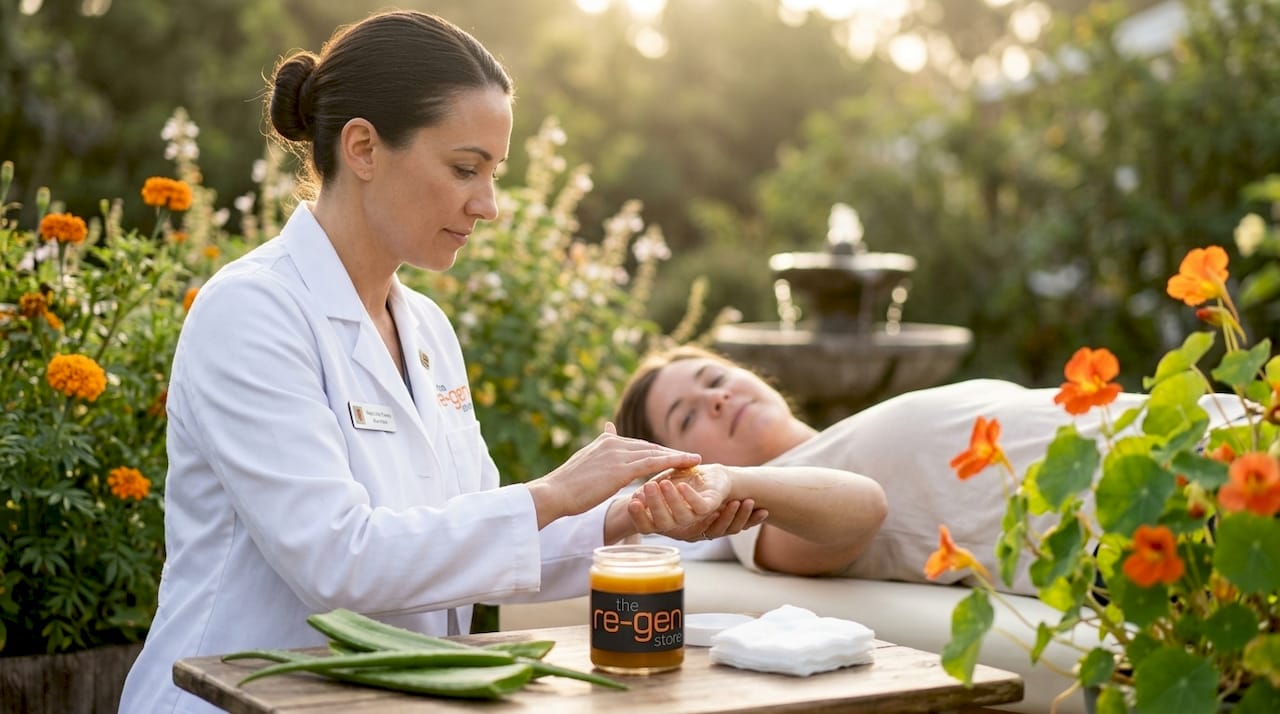
Most people assume that if something is natural, it must be safe. That belief is understandable, but it can lead to poor wound care decisions. A poultice made from the wrong herb or an essential oil applied to an open wound without dilution can delay healing or even cause harm. At the same time, dismissing plant-based wound care entirely means ignoring thousands of years of effective traditional medicine now supported by growing scientific research. This article walks you through what alternative wound care actually is, which remedies have real evidence behind them, how natural and conventional approaches compare, and how to apply these solutions safely for both humans and pets.
Table of Contents
Key Takeaways
Point | Details |
Natural vs. standard care | Alternative wound care uses plant-based remedies, but standardization and evidence are key for safety and effectiveness. |
Evidence varies by wound | Clinical evidence for natural remedies, like honey or aloe, depends on wound type and is often limited. |
Combine approaches wisely | Use alternative solutions thoughtfully, alongside clinical care, rather than as a full replacement. |
Safety for pets and humans | Always follow clinical principles for wound care, especially with pets and severe wounds. |
Understanding alternative wound care
With misconceptions addressed, let’s clarify what “alternative wound care” actually involves.
Alternative wound care generally refers to non-standard approaches to wound management, often plant-based topical remedies or complementary therapies. It includes everything from traditional herbal poultices to modern formulations built on botanical ingredients. The defining characteristic is that these methods step outside the conventional pharmaceutical model.
This approach has deep roots. Cultures across the world have used plants like calendula, comfrey, plantain, and turmeric to manage wounds for centuries. Many of these plants contain compounds that genuinely support tissue repair, reduce inflammation, and resist microbial growth. Modern product development has taken cues from these traditions and worked to standardize them.
Standardization is the key word here. A fresh herb pressed onto a wound in a home kitchen and a lab-tested botanical ointment are both “natural,” but they are not equal in safety or reliability. Standardized products go through formulation testing to ensure consistent ingredient concentrations and sterile preparation.
Key things to understand about alternative wound care:
It often uses plant-based or mineral ingredients rather than synthetic antibiotics
Traditional use does not automatically confirm clinical safety or efficacy
Modern plant-based products aim to bridge traditional wisdom with scientific rigor
Exploring natural Neosporin alternatives can help you identify options that are both effective and free of harsh chemicals
“Natural wound care is not anti-science. Done thoughtfully, it applies traditional knowledge within a framework that respects clinical evidence and safety standards.”
Common natural remedies and their evidence
Now that we know what alternative wound care is, let’s break down which natural remedies are commonly used and what the evidence says about them.
Remedy | Claimed benefit | Evidence level |
Medical-grade honey | Antimicrobial, moisture balance | Moderate for minor burns |
Aloe vera | Soothing, anti-inflammatory | Low to moderate |
Calendula | Promotes tissue repair | Preliminary, needs more trials |
Essential oils (tea tree) | Antimicrobial | Variable, often low |
Clay/bentonite | Draws impurities | Anecdotal, limited clinical data |
Medical-grade honey has antimicrobial activity and is used in certain wound types, but human trials reveal limited evidence for its broad use. This does not mean honey is useless. It means you should use it strategically and not as a catch-all solution. Regular grocery store honey is not the same as medical-grade Manuka honey, which goes through purification and standardization processes.
Aloe vera is one of the most widely used natural remedies. It contains compounds called acemannan polysaccharides that may support skin cell regeneration and reduce inflammation. It works best on surface-level burns and minor abrasions. Deep puncture wounds or infected tissue are a different matter entirely.
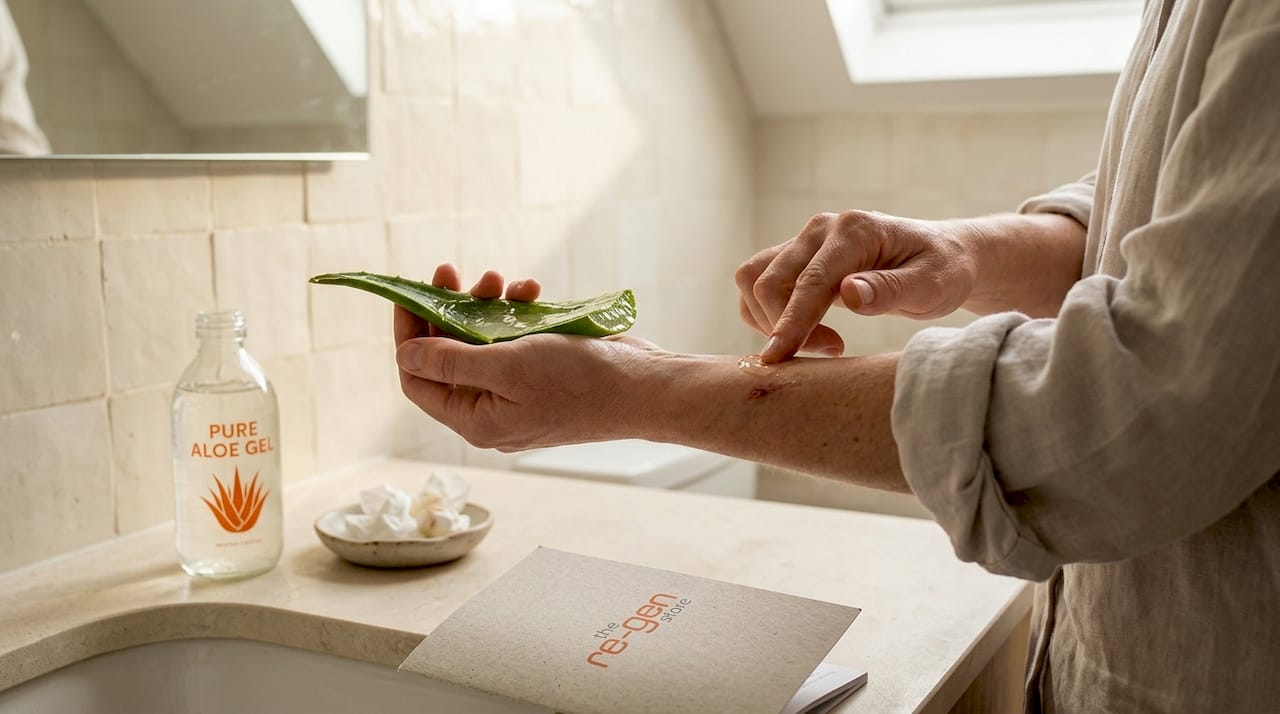
Essential oils are popular but require careful handling. Tea tree oil, for example, has real antimicrobial properties in lab settings. However, applying it undiluted to open tissue can cause chemical burns or irritation. Dilution in a carrier oil or formulated base is essential.
Evidence for topical alternatives varies by wound type and is often low-certainty. That means responsible use, not avoidance.
How to use natural remedies responsibly:
Identify the wound type first. Surface cuts and abrasions respond differently than deep lacerations or surgical wounds.
Choose remedies with at least some clinical backing for your specific situation.
Always clean the wound thoroughly before applying any topical remedy.
Test for sensitivity, especially with essential oils or herbal preparations.
Monitor for signs of infection: increasing redness, swelling, warmth, or discharge.
Discontinue use and seek medical advice if healing stalls or worsens.
For a deeper look at the science behind plant-based ingredients, explore science-backed skin healing or learn about specific healing herbs for skin that have real research behind them.
Pro Tip: Always check whether a natural product specifies the concentration of its active botanical ingredients. Vague labels like “contains herbal extracts” without percentages or sourcing details are a red flag for quality.
Comparing alternative vs. conventional wound care
Let’s place alternative and conventional wound care side by side to clarify how they complement each other and where they differ.
Feature | Alternative wound care | Conventional wound care |
Primary ingredients | Plant-based, mineral, herbal | Synthetic antibiotics, petroleum, chemical antiseptics |
Standardization | Varies widely | Highly standardized |
Regulation | Often minimal | FDA or equivalent oversight |
Accessibility | Widely available, low cost | Requires prescription in some cases |
Evidence base | Growing but often low-certainty | Extensive clinical trial data |
Chemical load | Low to none | Variable, often higher |
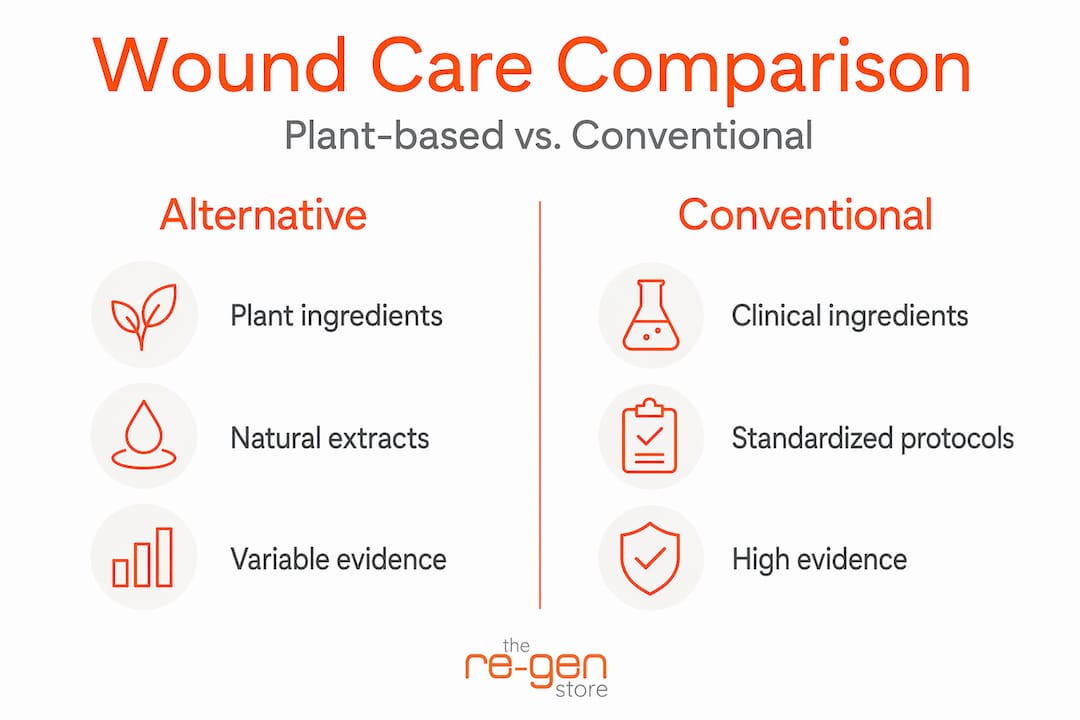
Alternative approaches may mimic conventional goals such as moisture balance, antimicrobial control, and a supportive healing environment, but they diverge in method and standardization. This is important to understand. Both approaches are fundamentally trying to do the same thing: protect the wound, prevent infection, and support tissue repair.
Where conventional care excels:
Treating severe infections or deep wounds
Post-operative sites requiring sterile, regulated management
Situations where rapid, predictable outcomes are critical
Where alternative care adds value:
Minor cuts, abrasions, and surface burns
Individuals sensitive to synthetic chemicals or antibiotics
Ongoing skin recovery where long-term gentleness matters
Pet owners seeking non-toxic options for animals
Learn more about natural healing for skin recovery and how plant-based methods support tissue repair. You can also review plant-based healing for wounds with evidence-based examples.
The wisest approach is not choosing one over the other. It is understanding when each method is most appropriate and combining them where it makes sense.
Safe application: Tips for humans and pets
To apply this knowledge safely, here are practical tips and caveats for using natural wound remedies for yourself and your pets.
Safety for humans:
Always clean the wound with saline or clean water before applying any natural remedy
Use only formulated, standardized plant-based products on open wounds, not raw herbs or undiluted oils
Cover the wound after application to maintain moisture and protect against contamination
Avoid remedies with unknown ingredient concentrations or no clear sourcing
Safety for pets:
Many essential oils that are safe for humans are toxic to dogs and cats, including tea tree oil in large concentrations
Animal wound care safety requires using species-appropriate products and dosing
Never apply human wound care products to animals without confirming species safety
For pet owners, wound management should follow clinically informed principles because “natural” does not automatically mean safe or effective across species or wound severities. This is one of the most common and dangerous assumptions pet owners make.
When to seek professional help:
Wounds that are deep, jagged, or won’t stop bleeding
Any sign of spreading infection: redness moving outward, pus, fever
Wounds in animals that are being licked, reopened, or showing behavioral changes
Post-operative wounds where healing has stalled
Pro Tip: For pets, look specifically for plant-based wound care products formulated and tested for animal use. A product labeled safe for humans is not automatically safe for your dog or cat.
A fresh perspective: What most people get wrong about natural wound care
Here is the uncomfortable truth. Both sides of this debate are often wrong.
Natural health enthusiasts sometimes treat “plant-based” as a blanket guarantee of safety and effectiveness. That thinking ignores toxicity, allergenic potential, and the very real risk of undertreating a serious wound. On the other side, people who dismiss all alternative wound care as unscientific miss the fact that plant-based preparations share goals with modern wound-care science, even when clinical evidence varies.
The actual problem is not which camp you belong to. It is the failure to think critically about your specific situation, wound type, and product quality. A standardized botanical ointment used on a minor abrasion is a reasonable, evidence-informed choice. The same ointment applied to a deep infected wound without medical assessment is a mistake, regardless of how natural the ingredients are.
What actually matters is this: use alternatives thoughtfully, prioritize standardized products with transparent ingredient sourcing, and combine plant-based care with clinical judgment when severity demands it. Explore evidence-based natural healing to ground your choices in real data rather than marketing claims or blanket skepticism.
Find your plant-based wound care solution
With expert guidance in mind, here’s how to take the next step toward safer, plant-based wound care solutions.
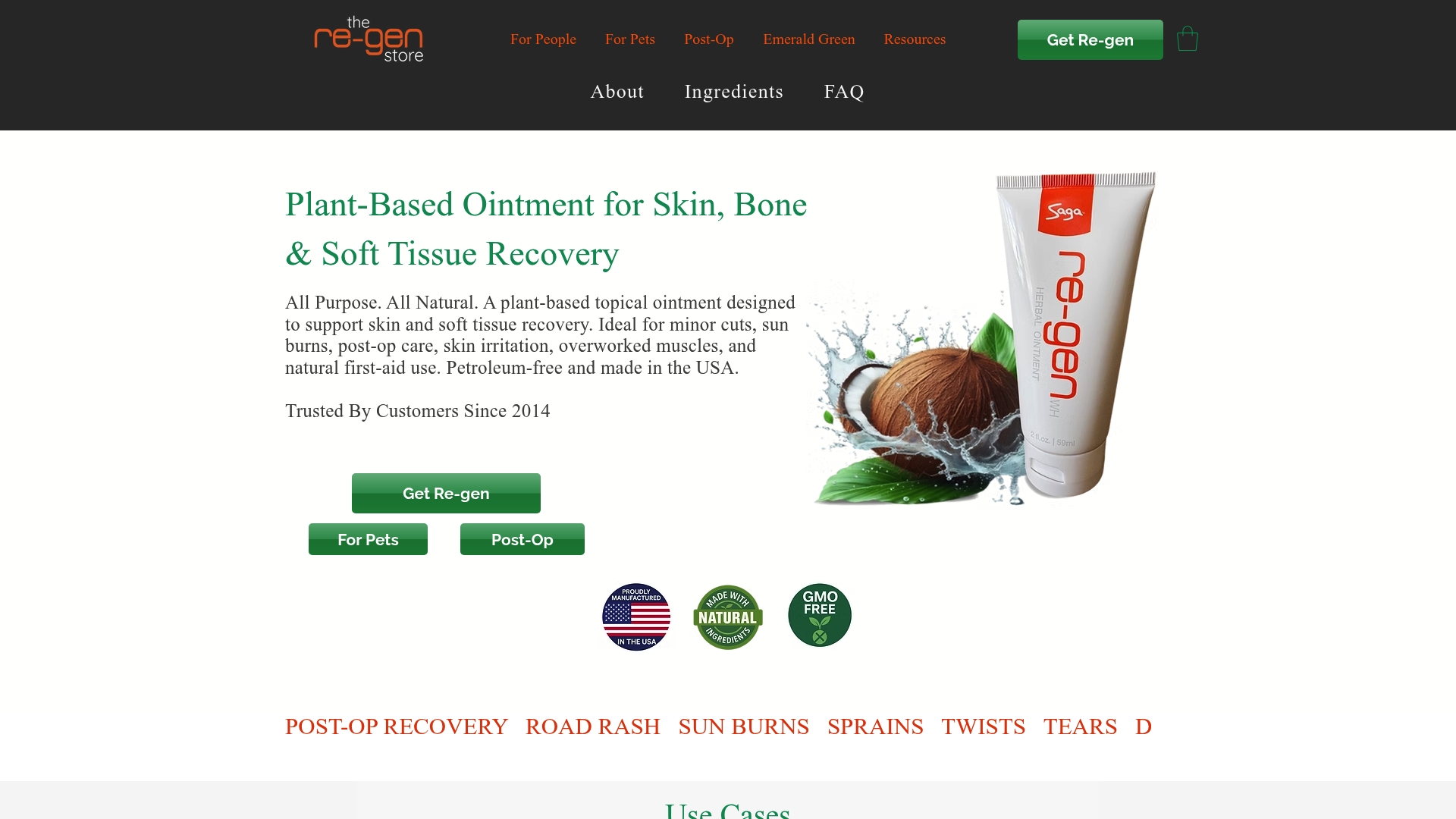
At TheRegenStore.com, we have developed Re-gen, a proprietary plant-based ointment designed to support skin, soft tissue, and wound recovery without synthetic antibiotics or petroleum-based fillers. Whether you are managing a minor cut, supporting post-operative skin healing, or looking for a safe option for your pet, we offer a transparent, botanical approach built on real ingredients. Explore our plant-based wound treatment to see what sets it apart. Learn how our regenerative plant-based ointment works, and browse our natural wound healing tips for practical, science-informed guidance.
Frequently asked questions
Is alternative wound care safe for pets?
Natural remedies for pets should follow clinical guidelines, as plant-based options are not always safe across species. Severe wounds or signs of infection require professional assessment from a veterinarian.
Can natural remedies like honey heal wounds faster?
Medical-grade honey shows promise for minor burns and some wound types, but human trials have not confirmed it speeds recovery across all wound categories.
What makes alternative wound care different from conventional methods?
Alternative wound care uses plant-based or complementary therapies, while conventional care relies on standardized, evidence-backed dressings and pharmaceutical agents developed under strict regulatory oversight.
Should alternative remedies replace clinical wound care?
No. Alternatives should complement but not replace clinical evaluation, especially for severe wounds. High-quality evidence for many alternatives remains limited, making professional assessment essential for serious injuries.
Recommended
Comments