
Post-Operative Natural Recovery: Safe Guide for People & Pets

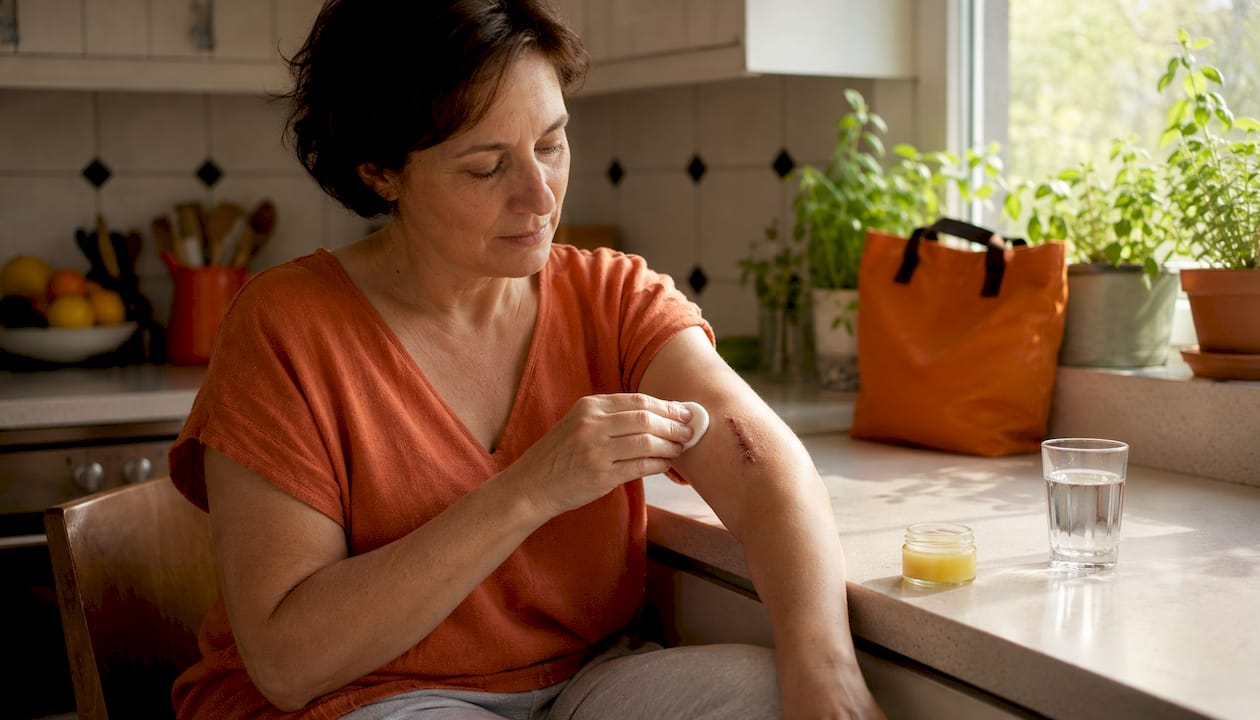
The most effective post-operative natural recovery plan combines four things: early, safe movement; targeted nutrition (protein, zinc, vitamin C, and magnesium); consistent sleep and stress management; and sterile application of a plant-based topical to closed, stable wounds. For topical support, Re-gen plant-based regenerative ointment from Theregenstore is a solid choice for both human and pet post-op care. That said, always consult your surgeon or veterinarian before applying any topical to deep incisions, wounds with drains, or areas that are not fully closed.
Table of Contents
What does post-operative natural recovery actually look like, day by day?
How do plant-based topicals support healing, and how do you apply them safely?
What do pet owners need to know before using natural topicals after surgery?
When should you call your surgeon, vet, or emergency services?
Why the whole-person approach to recovery is worth taking seriously
What does post-operative natural recovery actually look like, day by day?
Knowing what to expect at each stage helps you time your natural supports correctly and avoid the common mistake of applying topicals too early.
Immediate (0–24 hours): Swelling, bruising, and soreness are normal. Focus on rest, hydration, and following your clinician’s dressing instructions. No topical ointments yet.
First 48–72 hours: Inflammation peaks. Early ambulation begins here: short walks every 1–2 hours reduce clot risk and pneumonia. Keep the wound covered and dry per your surgeon’s guidance.
Days 3–14: Tissue repair accelerates. Sutures or staples are typically still in place. Your clinician may clear you for gentle topical support on superficial, closed areas during this window.
2+ weeks: Late recovery begins. Many patients take months to return to baseline activity. Scar remodeling continues, and plant-based topicals can support skin texture and local inflammation during this phase.
The rule is simple: wait until your clinician confirms the wound is closed and stable before applying any ointment. If drains are present, sutures are open, or you see signs of infection, topicals are not appropriate yet. Integrative guides consistently recommend waiting for wound closure before starting most topical natural remedies.
Pro Tip: Before your first post-op appointment, write down three questions: Are there drains or open areas? What suture type was used and when will it be removed? When is it safe to apply a topical ointment to the incision site? The same checklist applies when calling your vet after a pet’s procedure.
What systemic supports actually speed up tissue repair?
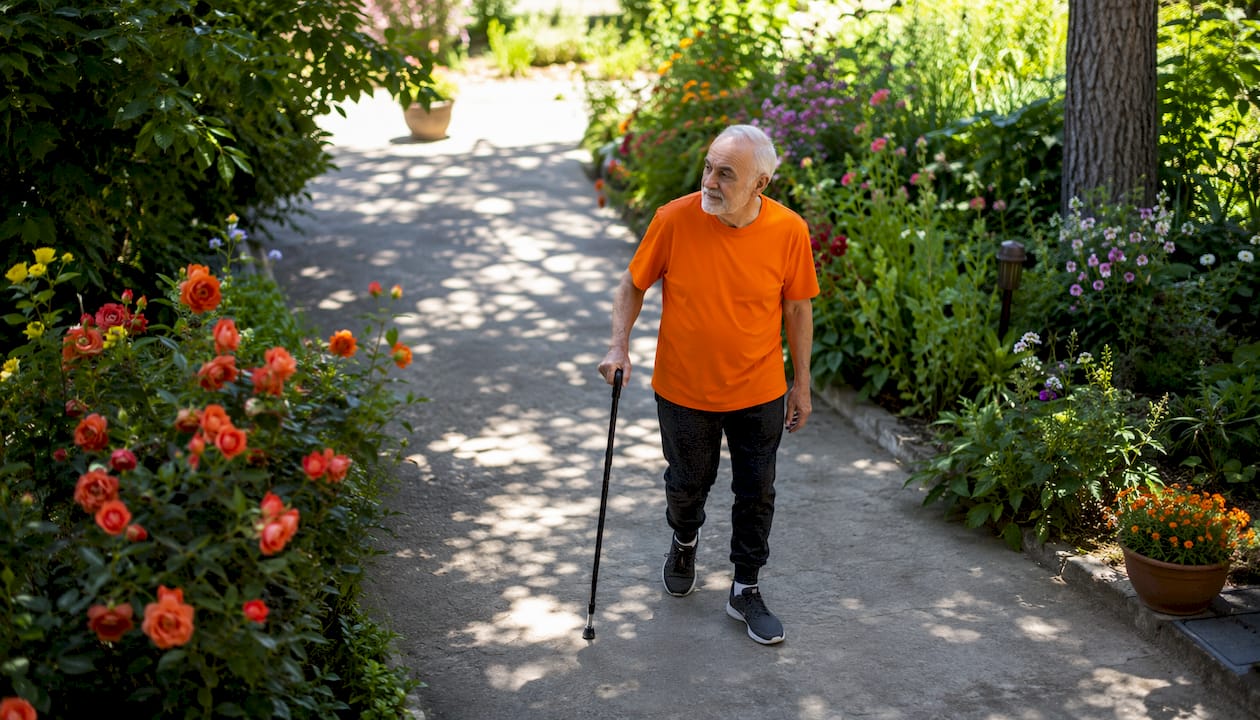
Early ambulation is the single most impactful non-medicinal step you can take. Young adults can lose muscle mass rapidly over days of bed rest during complete bed rest; older adults may lose muscle mass more quickly during bed rest… Getting up and moving, even briefly, protects that muscle and reduces your risk of blood clots and pneumonia.
Nutrition runs a close second. Protein, zinc, vitamin C, and vitamin A are important micronutrients that support collagen formation, skin cell regeneration, and immune response. They are the core micronutrients for collagen formation, skin cell regeneration, and immune response. Magnesium supports muscle function and sleep quality. Eat frequent, smaller meals with protein at each one rather than loading up once a day.
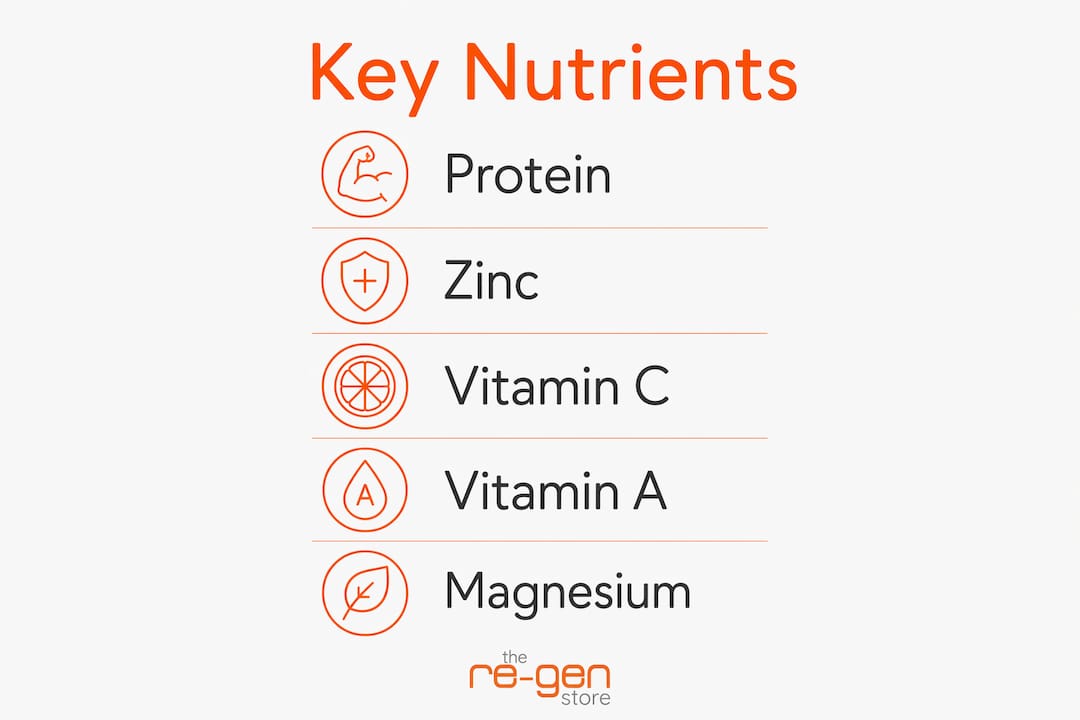
Nutrient | Role in healing | Practical source |
Protein | Collagen synthesis, tissue repair | Eggs, Greek yogurt, chicken, legumes |
Vitamin C | Collagen cross-linking, immune support | Bell peppers, citrus, kiwi |
Zinc | Cell proliferation, wound closure | Pumpkin seeds, beef, lentils |
Magnesium | Muscle recovery, sleep regulation | Leafy greens, almonds, dark chocolate |
Vitamin A | Skin cell regeneration | Sweet potato, carrots, liver |
Glycemic control matters more than most people realize. High blood sugar related to stress can impair collagen synthesis even in people without diabetes. Limit refined sugars and pair carbohydrates with protein or fat to blunt post-meal glucose spikes. Hydration supports every one of these processes: aim for clear to pale-yellow urine as your daily benchmark.
Sleep is critical for tissue repair. Poor sleep suppresses immune function and increases pain sensitivity, both of which slow recovery. Keep a consistent sleep schedule, limit screen light after 9 PM, and use a pillow to offload pressure from the surgical site if needed.
Muscle loss during bed rest can be significant in older adults. Short walks every 1–2 hours are enough to interrupt this process and reduce thromboembolic risk at the same time.
How do plant-based topicals support healing, and how do you apply them safely?
Plant-based, chemical-free ointments can create a favorable micro-environment for tissue repair by reducing local oxidative stress and inflammation. They work best as a complement to standard wound care, not a replacement. Ingredients like Manuka honey and certain herbal extracts have documented antimicrobial and anti-inflammatory properties that support the wound surface without the synthetic chemicals found in conventional antibiotic ointments.
What to look for in a topical:
Antimicrobial botanicals (Manuka honey, calendula, echinacea)
Anti-inflammatory plant extracts (chamomile, gotu kola)
No petroleum base, no synthetic antibiotics, no artificial fragrances
Full ingredient transparency with a readable label
Formulation tested for both human and pet use when relevant
What to avoid:
Petroleum-based ointments that occlude the wound and trap bacteria
Products with alcohol or harsh preservatives on fragile new tissue
Any ointment applied before clinician clearance
Step-by-step application:
Wash your hands thoroughly with soap and water.
Gently clean the wound area with saline or as directed by your clinician.
Pat dry with a clean gauze pad.
Apply a thin layer of Re-gen to the closed, stable wound surface only.
Cover with a non-stick dressing if the area is still sensitive.
Reapply once or twice daily, or as directed, and monitor for any reaction.
Pro Tip: Patch test any new topical on a small area of unaffected skin 24 hours before applying it to the wound site. This is especially important for people with known plant or botanical allergies.
Re-gen from Theregenstore is a petroleum-free, plant-based regenerative ointment with full ingredient transparency. It is available in human and pet formulations, making it a practical option for households managing recovery for both. See the natural post-op healing guide for detailed application context.
What do pet owners need to know before using natural topicals after surgery?
Veterinary approval comes first, every time. Pets metabolize compounds differently than humans, and an ingredient safe for people can be harmful to a dog or cat. Always confirm with your vet that the specific product is appropriate before applying anything to your pet’s incision.
Preventing licking and ingestion is the other non-negotiable. Even a pet-safe topical can cause digestive upset if ingested in quantity. Use an e-collar (cone) or a recovery suit to block access to the wound site after application. Distraction with a chew or a short walk immediately after applying the ointment can also help.
Practical application tips for pets:
Apply with a calm, confident touch to reduce stress-related movement.
Use the smallest effective amount: a thin layer covers the area without excess.
Apply when the pet is relaxed, such as after a meal or a short walk.
Check the site at each dressing change for redness, swelling, or discharge.
Signs that need immediate vet evaluation: swelling that spreads beyond the incision, discharge that is yellow, green, or foul-smelling, the pet refusing to bear weight, lethargy, or loss of appetite lasting more than 24 hours. Minor surface redness that resolves within a few hours can be monitored, but when in doubt, call your vet.
When should you call your surgeon, vet, or emergency services?
Some signs mean natural care is not enough and you need clinical help fast.
Call emergency services or go to the ER immediately if you see:
Fever above 101°F
Spreading redness or red streaks moving away from the wound
Purulent (pus-like) or foul-smelling drainage
Wound edges separating (dehiscence)
New numbness, tingling, or loss of function near the surgical site
Signs of systemic illness: chills, confusion, rapid heart rate
Contact your surgeon or vet the same day for:
Pain that is increasing rather than improving after day 3
Wound that looks wetter or more inflamed than the day before
Sutures that appear loose or have fallen out early
Schedule a clinic visit within a few days for:
Slow or stalled healing with no acute red flags
Skin texture changes or unusual scarring patterns
Questions about when to start or stop topical care
Pro Tip: Before you call, take a clear photo of the wound in good lighting. Have ready: the date of surgery, a list of current medications and topicals, and a brief description of when symptoms started. This speeds up triage significantly.
Your daily recovery checklist and progress log
Use this checklist each day and copy the log table to track your progress.
Daily checklist:
[ ] Short walk or in-bed movement every 1–2 hours
[ ] Protein at every meal or snack
[ ] 8+ cups of water (more if active or in a warm climate)
[ ] Wound check: appearance, drainage, odor
[ ] Topical application (only if clinician-cleared)
[ ] 7–9 hours of sleep targeted
[ ] 5–10 minutes of breathing, meditation, or gentle stretching
Recovery log (copy and fill in daily):
Date | Pain (0–10) | Wound appearance | Steps/movement | Meds/topical used | Red flag check |
Yes / No | |||||
Yes / No | |||||
Yes / No |
Share this log with your clinician or vet at each follow-up. Before-and-after photos of the wound, taken in consistent lighting, give your care team the clearest picture of progress.
Key Takeaways
Natural healing after surgery works best when movement, nutrition, sleep, and safe topical care are combined from day one.
Point | Details |
Start moving early | Short walks every 1–2 hours reduce clot risk and prevent muscle loss of up to 1% per day in young adults and up to 5% per day in older adults. |
Prioritize protein and micronutrients | Eat protein, zinc, vitamin C, and magnesium at every meal to support collagen synthesis and immune function. |
Wait for wound closure before topicals | Apply plant-based ointments only after your clinician confirms the wound is closed and stable. |
Know the red flags | Fever above 101°F, spreading redness, or wound separation requires immediate clinical attention, not natural care. |
Theregenstore Re-gen | A petroleum-free, plant-based topical with human and pet formulations, recommended for clinician-cleared post-op sites. |
Why the whole-person approach to recovery is worth taking seriously
Most people think of post-op recovery as something that just happens to them. Rest, wait, heal. But recovery is multidimensional: physical, psychological, and social. Patients who actively manage all three dimensions tend to return to normal activity faster and with fewer complications than those who focus on wound care alone.
What often gets underestimated is how much the systemic factors, sleep quality, blood sugar stability, and early movement, shape the local wound environment. A body under chronic stress or nutritional deficit simply cannot mount the same repair response. That is why a topical, however well-formulated, is only one piece of the plan.
Kyle has written extensively on natural post-op care at Theregenstore, including a detailed holistic recovery guide that expands on the strategies here. The recommendation is consistent: use plant-based topicals as a complement to, not a substitute for, clinician-supervised wound care. When timed correctly and applied to stable tissue, they support the local environment in a way that synthetic alternatives often do not.
Re-gen is built for exactly this kind of recovery
Petroleum-free and formulated from plant-based ingredients, Re-gen is designed to support skin, soft tissue, and wound recovery without the synthetic antibiotics or chemical fillers found in conventional ointments. It comes in both human and pet formulations, which makes it practical for households managing recovery on multiple fronts.

Before applying Re-gen or any topical, confirm with your surgeon or vet that the wound is closed and suitable for ointment use. Multiple sizes are available, and the full ingredient list is published on the product page so you know exactly what you are applying. Visit Theregenstore to review formulations and place an order.
Useful sources
Postoperative Care, MSD Manual Professional Edition: clinical standards for early ambulation, drain removal, and complication prevention.
Nutrition to Help Heal Your Wounds After Surgery, Memorial Sloan Kettering Cancer Center: protein, zinc, vitamin C, and glycemic control guidance for post-op patients.
Postoperative Recovery Overview, ScienceDirect: multidimensional recovery framework covering physical, psychological, and social outcomes.
MDPI Integrated Healing Literature, 2025: evidence on plant-based topicals reducing local oxidative stress and inflammation in wound care.
Natural Remedies and Post-Op Wound Healing, WoundAssessment.net: practical guidance on timing topical natural remedies relative to wound closure.
FAQ
When is it safe to apply a topical ointment after surgery?
Wait until your clinician confirms the wound is fully closed and stable, typically no earlier than days 3–14 depending on the procedure. Never apply any ointment over open sutures, active drains, or infected tissue.
What nutrients matter most for natural healing after surgery?
Protein, zinc, vitamin C, and magnesium are the highest-priority nutrients for collagen synthesis and immune function. Eat them at every meal rather than in one large dose.
Can I use Re-gen on my pet after surgery?
Theregenstore offers a pet-specific formulation of Re-gen, but veterinary approval is required before use. Always use an e-collar or recovery suit to prevent your pet from licking the application site.
What are the clearest signs of a post-op infection?
Fever above 101°F, spreading redness, increasing pain after day 3, and purulent or foul-smelling drainage are the primary red flags. Any of these warrants same-day contact with your surgeon or vet, not watchful waiting.
How does early movement help wound healing?
Early ambulation improves circulation to healing tissue, reduces the risk of blood clots and pneumonia, and prevents the rapid muscle loss that occurs during bed rest. Short walks every 1–2 hours are enough to produce these benefits.
Recommended
Comments