
Post-surgery skin care: heal naturally and minimize scars
- Sunny

- Apr 27
- 8 min read

After surgery, one of the first things many patients worry about is scarring. Will the incision heal cleanly? Will the skin look normal again? These concerns are completely valid, and the good news is that a thoughtful, natural skin care routine can make a real difference. Research consistently shows that moisture, gentle cleansing, and sun protection are the most powerful tools you have. This guide walks you through a chemical-free, evidence-based approach to post-surgical skin care, from the first days after your procedure through the months of scar remodeling that follow.
Table of Contents
Key Takeaways
Point | Details |
Start gentle care early | Begin with mild, fragrance-free cleansing and moisturizing as soon as your provider approves. |
Moisture beats dryness | Keeping wounds moist with ointments and covered promotes faster, healthier skin regeneration. |
Protect from the sun | Daily use of mineral-based SPF is essential for scars to prevent darkening and promote smoother healing. |
Evidence supports silicone | Silicone sheets and gels show the strongest scientific backing for minimizing surgical scars. |
Know warning signs | Redness, pus, or fever signal infection—contact your surgeon immediately if these occur. |
Gathering your post-surgery skin care essentials
Now that you’re ready to take your recovery into your own hands, start by gathering a few gentle, purposeful essentials. Choosing the right products from the beginning protects sensitive healing skin and reduces the risk of irritation or delayed recovery.
According to post-surgery care basics, you should immediately use a mild fragrance-free cleanser, a prescribed ointment or petroleum jelly, and a protective dressing to support optimal healing. Each item in your kit serves a specific purpose, so ingredient transparency is not optional. It is essential.
Here is what to stock before you need it:
Fragrance-free gentle cleanser: Look for one with no dyes, alcohols, or synthetic perfumes. These additives can trigger inflammation on compromised skin.
Plant-based healing ointment: Plant-based wound treatments offer a chemical-free alternative to petroleum-based products, supporting moisture without synthetic byproducts.
Non-adherent dressings: These protect the wound without sticking to new tissue, which prevents painful removal and tissue damage.
Mineral SPF 30+ sunscreen: Choose zinc oxide or titanium dioxide formulas. These sit on top of the skin rather than absorbing into it, making them safer for healing tissue.
Hypoallergenic moisturizer: Once your wound closes, a simple, fragrance-free moisturizer keeps the new skin supple and reduces tightness.
Optional silicone sheets: These are worth having ready for the scar management phase that begins a few weeks post-surgery.
The table below compares key product types and what to look for on the label:
Product type | What to look for | What to avoid |
Cleanser | Fragrance-free, pH-balanced | Alcohol, sulfates, synthetic dyes |
Ointment | Plant-based, petroleum-free | Parabens, artificial fragrance |
Sunscreen | Zinc oxide or titanium dioxide | Chemical UV filters, fragrance |
Moisturizer | Hypoallergenic, minimal ingredients | Retinoids, AHAs, BHAs |
Dressings | Non-adherent, breathable | Adhesive directly on wound |
Taking time to speed up healing starts with what you put on your skin. Simple, clean ingredients reduce the risk of contact dermatitis and keep your body’s natural repair process running smoothly.
Step-by-step routine for the first three weeks after surgery
With these essentials in hand, you’re prepared to begin your daily care routine during the most crucial healing window. The first three weeks are when your body is working hardest to close the wound and lay down new tissue.
One of the most important things to understand: keeping your wound moist is far more effective than letting it air out. A moist healing environment, supported by ointments or covered dressings, consistently produces better outcomes than dry wound management. This is well established in clinical research.
Follow these steps daily during weeks one through three:
Wash your hands thoroughly before touching the wound area.
Gently cleanse the incision with a fragrance-free cleanser and lukewarm water. Do not scrub.
Pat dry with a clean, soft cloth or sterile gauze. Never rub.
Apply your ointment in a thin, even layer. A plant-based option works well for soothing skin irritation while supporting tissue repair.
Cover with a non-adherent dressing and secure gently. Change it as directed by your surgeon.
Monitor daily for any changes in color, texture, or discharge.
When to stop and call your provider: If you notice increasing redness spreading from the wound, yellow or green pus, warmth, swelling, or a fever above 100.4°F, contact your medical team immediately. These are signs of infection that require prompt attention.
Pro Tip: Resist the urge to peek too often. Changing dressings more frequently than necessary exposes the wound to air and potential contaminants. Stick to your surgeon’s recommended schedule unless something looks wrong.
Consistency matters more than perfection here. A calm, steady routine done twice a day builds the conditions your skin needs to regenerate effectively.
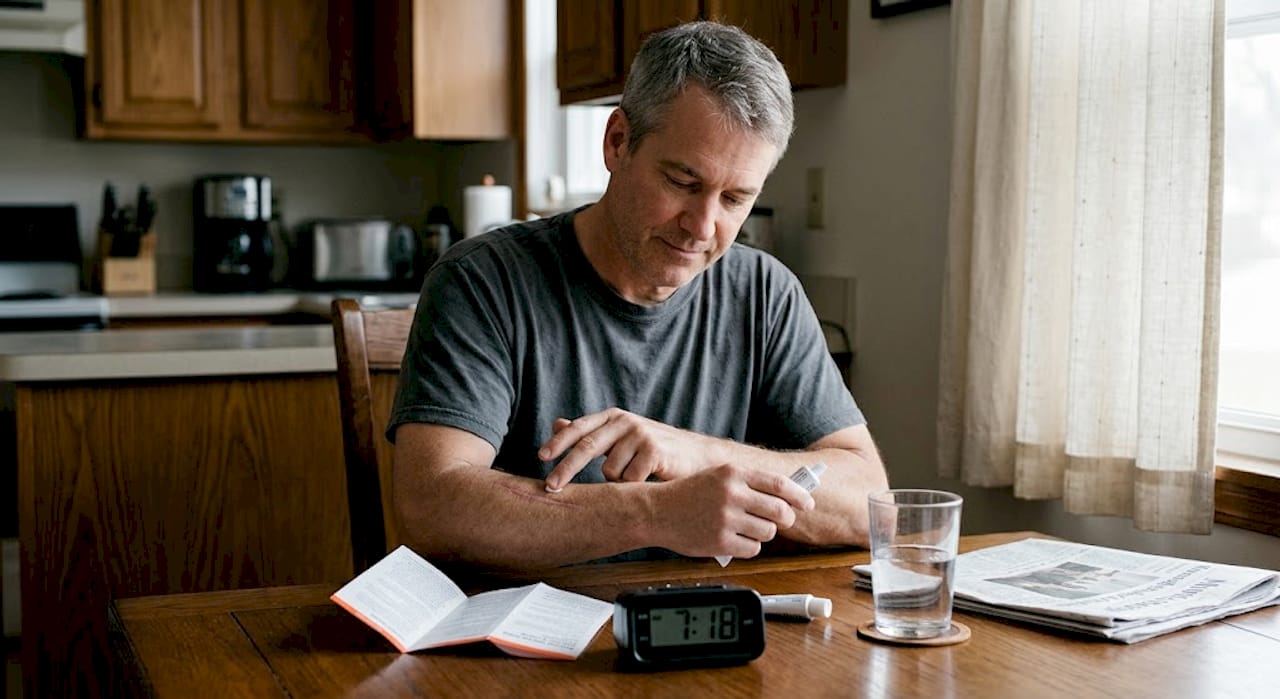
Ongoing scar management: Natural techniques and evidence-based products
Once your incision closes, your focus shifts to giving your skin the best chance at healthy regeneration. Scar remodeling can take up to two years, but the habits you build in months one through six have the biggest impact.
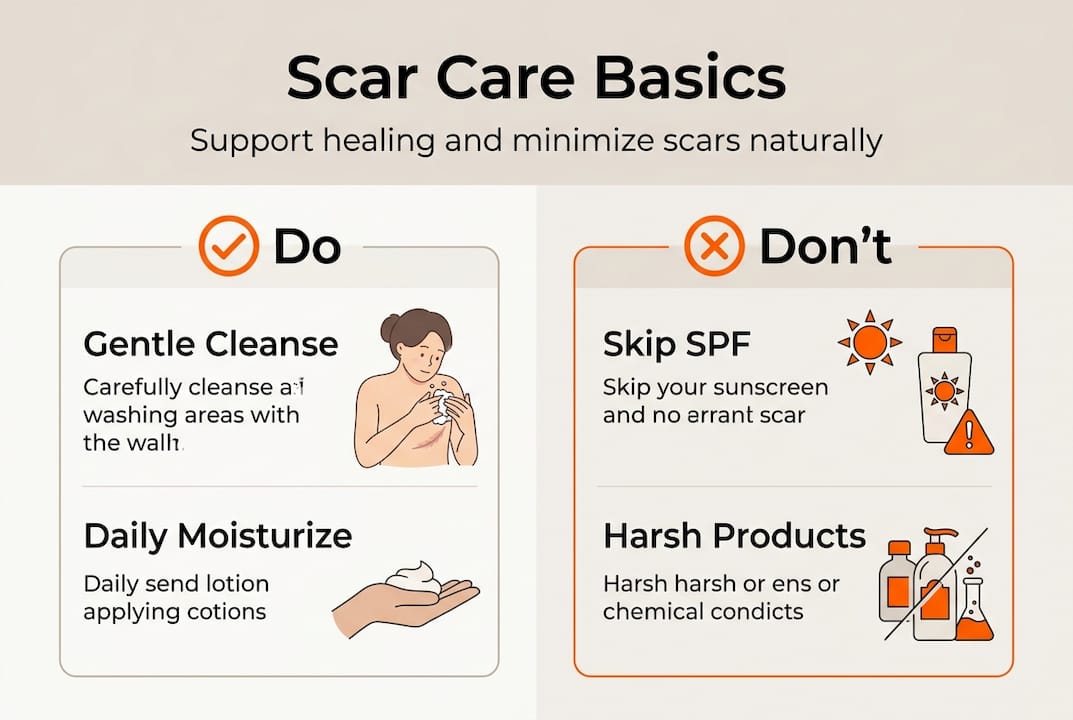
Sun protection is non-negotiable. Daily SPF 30+ and physical coverage help prevent scars from darkening and thickening, a process called post-inflammatory hyperpigmentation. New scar tissue has no melanin defense, making it extremely vulnerable to UV damage.
Silicone is the most evidence-backed tool for scar reduction. Silicone gel sheets have been shown in clinical trials to reduce scar thickness and lower the incidence of hypertrophic scarring. They work by hydrating the scar and regulating collagen production. Use them for 12 or more hours per day once your wound is fully closed.
Here is a comparison of common scar management approaches:
Method | Evidence level | Best for | Notes |
Silicone gel sheets | Strong | Hypertrophic scars | Use 12+ hours daily |
Mineral sunscreen | Strong | All scar types | Start as soon as wound closes |
Gentle massage | Moderate | Collagen remodeling | Begin only with surgeon approval |
Natural wound healing ointments | Growing support | Moisture and protection | Choose petroleum-free options |
Pressure garments | Weaker than silicone | Burn scars | Less practical for most patients |
Pro Tip: When you compare natural vs petroleum jelly options, look at the full ingredient list. Some petroleum-based products contain additives that can clog pores or cause reactions on sensitive, healing skin.
Key daily scar care habits to build:
Apply silicone gel or sheets every morning after cleansing
Use SPF 30+ mineral sunscreen on any exposed scar tissue
Massage gently in circular motions for 5 minutes (only after surgeon approval, typically at 2 to 3 weeks post-closure)
Keep the area moisturized with a hypoallergenic, fragrance-free cream
Track your scar’s appearance weekly with a photo to monitor progress
Troubleshooting common issues and avoiding setbacks
Even the best routine may hit bumps along the way. Here is how to keep your recovery on track when things do not go as planned.
The most common mistakes patients make are surprisingly simple. Over-cleansing strips the skin of the moisture it needs to heal. Using harsh chemicals or fragranced products triggers inflammation that slows tissue repair. Skipping sun protection allows UV rays to permanently darken scar tissue. And picking at scabs or early scar tissue is one of the worst things you can do. Scabs are not just dried blood. They are protective scaffolding for new skin forming underneath.
Common pitfalls and how to address them:
Excessive dryness or tightness: Increase your moisturizer application frequency. A thin layer of plant-based ointment can help restore the skin barrier.
Redness or itching: Switch to an even simpler product. Itching often signals healing, but persistent redness may indicate a reaction to an ingredient.
Slow healing or plateau: Review your nutrition. Protein, vitamin C, and zinc all support tissue repair. Dehydration also slows healing significantly.
Raised or thickening scar: Introduce silicone sheets earlier if your surgeon agrees. This is a common sign of hypertrophic scarring that responds well to consistent silicone use.
Skin peeling or flaking: This is normal as old cells shed. Do not scrub or peel manually. Gentle cleansing and moisturizing are enough.
For post-surgery recovery tips) that go beyond the basics, it helps to know what your skin is actually doing at each stage. Understanding the process builds confidence and reduces anxiety about normal changes.
Urgent warning signs: Signs of infection such as persistent redness, pus, or fever require immediate medical assessment. Do not wait to see if these symptoms resolve on their own.
For managing irritation that does not cross into infection territory, simplifying your routine is usually the best first step. Strip it back to cleanser, ointment, and dressing, then reintroduce products one at a time.
Why ‘natural’ matters post-surgery: An honest look
Here is something worth saying directly: most standard post-surgical advice defaults to generic, widely available products. That is not necessarily wrong, but it often overlooks the real impact of unnecessary chemical additives on already-stressed skin.
Post-surgery skin is not normal skin. The barrier is compromised. Inflammation is active. The immune response is engaged. Introducing synthetic fragrances, preservatives, or chemical UV filters at this stage is not neutral. It adds variables that your body then has to process while it is already working hard to heal.
Patient experience and a growing body of research both point in the same direction: simpler is better. Moisture and protection matter most, but so does avoiding unnecessary irritants during a vulnerable phase. When you look at natural ointments vs standard brands, the difference often comes down to what is not in the formula. Fewer synthetic additives means fewer potential triggers for the skin to react to.
A truly natural approach does not mean sacrificing effectiveness. It means combining evidence-based tradition with careful ingredient choices, and trusting that your skin heals best when you support it without overcomplicating things.
Discover natural options for confident post-surgical skin healing
If you’re ready to put these principles into practice with confidence, see how our natural solutions make it easy.
At TheRegenStore.com, we built Re-gen around one core belief: your skin heals best with clean, plant-powered support. Our plant-based regenerative ointment is formulated without petroleum, synthetic fragrances, or harsh preservatives, making it a strong choice for post-surgical care.
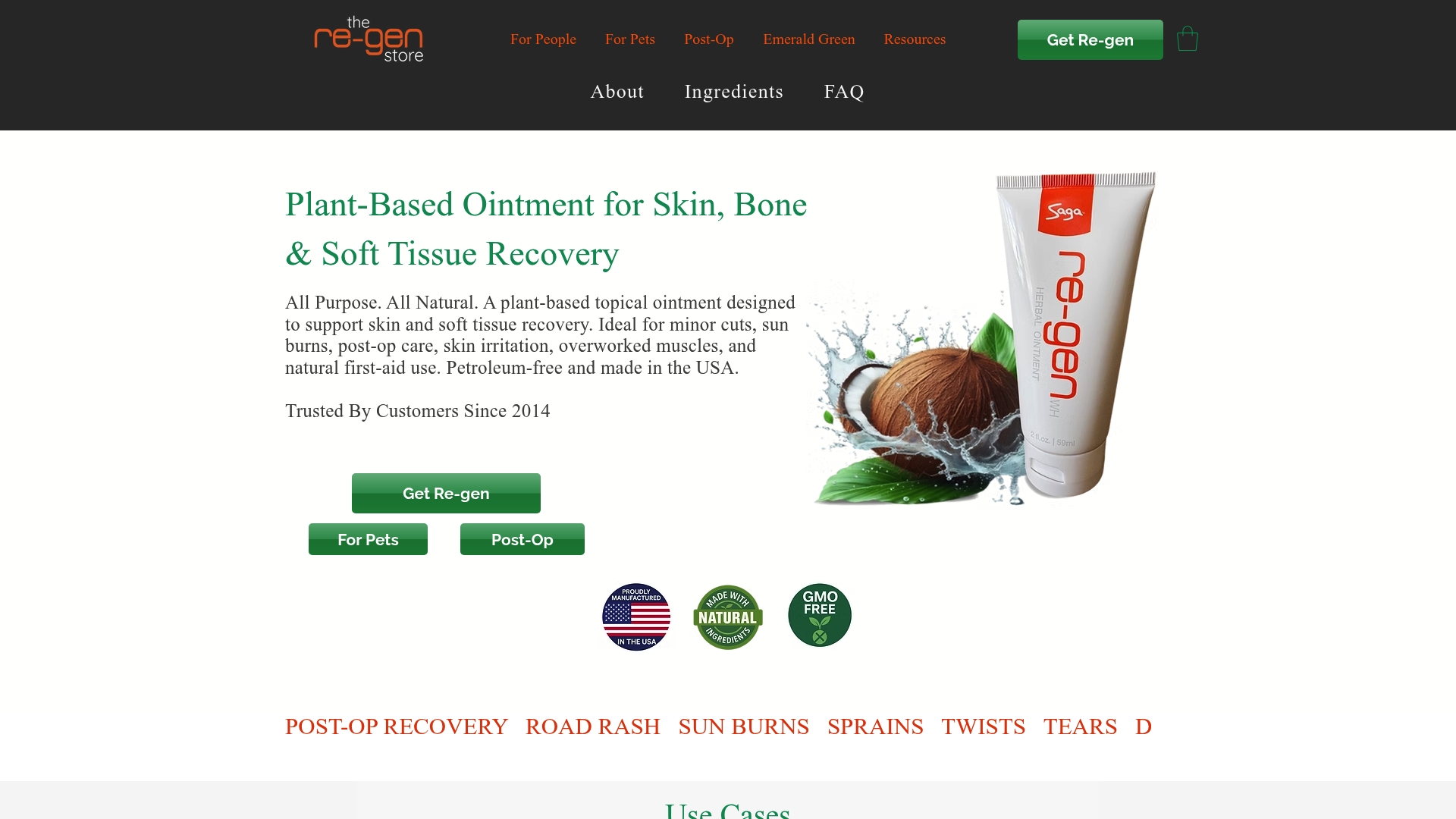
Explore our full range of petroleum-free wound care solutions designed for sensitive, healing skin. If you’ve been relying on conventional antibiotic ointments and want a gentler option, our Neosporin alternatives page explains exactly what makes plant-based formulas different and why that matters for your recovery.
Frequently asked questions
How soon after surgery should I begin a skin care routine?
You should begin gentle cleansing and apply prescribed ointment as soon as your surgeon allows, usually within the first 1 to 3 days. Immediate gentle care with a mild cleanser and protective dressing sets the foundation for optimal healing.
Are natural ointments effective for reducing scars post-surgery?
Plant-based ointments support moisture retention and protect the healing barrier, both of which are critical for scar outcomes. Silicone products currently have the strongest clinical evidence for reducing scar thickness and incidence.
What should I avoid during post-surgery wound care?
Avoid fragranced products, alcohol-based cleansers, scrubbing the wound, and skipping sun protection on exposed scar tissue. Fragrance-free, gentle care is consistently recommended, and you should always follow your provider’s specific guidance.
When should I be concerned about my healing skin?
Contact your provider right away if you notice spreading redness, swelling, pus, or develop a fever. Signs of infection require quick medical follow-up and should never be managed with home care alone.
Recommended
Comments