
Injury Healing Best Practices for Faster Recovery


Injury healing best practices are defined as the evidence-based methods that combine optimal movement, proper wound care, nutrition, and pain management to support tissue repair and reduce re-injury risk. Recovery science has shifted significantly in recent years. The traditional RICE method (Rest, Ice, Compression, Elevation) has been replaced by the POLICE framework (Protection, Optimal Loading, Ice, Compression, Elevation), which prioritizes controlled early movement over prolonged rest. With 8.6 million sports injuries occurring annually in the US and a 30–40% re-injury rate within 12 months, following the right recovery protocol is not optional. It is the difference between a full recovery and a recurring problem.
1. Why injury healing best practices start with optimal loading
Prolonged immobilization is one of the most common recovery mistakes. Early optimal loading maintains joint stability and stimulates tissue repair, while extended bed rest leads to muscle atrophy and chronic pain. The body needs controlled stress to rebuild properly.
The POLICE framework addresses this directly. Compared to RICE, POLICE promotes faster tissue repair by introducing controlled movement as soon as it is safe. Protection still applies in the acute phase, but optimal loading replaces complete rest as the primary recovery driver.
Practical examples of controlled movement during early recovery include:
Gentle range-of-motion exercises to maintain joint mobility without stressing the injury site
Isometric contractions that activate muscle without joint movement, reducing atrophy risk
Partial weight-bearing for lower limb injuries, progressing as pain allows
Pool walking or aquatic therapy to reduce load while maintaining movement patterns
Return to full activity requires meeting criteria, not just waiting out a calendar. 90%+ strength symmetry compared to the uninjured side is the standard benchmark before returning to sport.
Pro Tip: Track your strength progress with a simple single-leg exercise like a calf raise or step-down. If the injured side fatigues significantly faster, you are not ready for full activity yet.
For a deeper look at how the shift from RICE affects your recovery, the RICE vs. modern recovery comparison at Theregenstore explains the practical differences clearly.
2. What are the best practices for wound care?
Wound care best practices center on one principle: keep the wound clean and moist. Cleaning with sterile saline or lukewarm water removes debris without damaging healthy tissue. Hydrogen peroxide and alcohol feel like they are doing something, but both destroy the new cells your body is working to build.
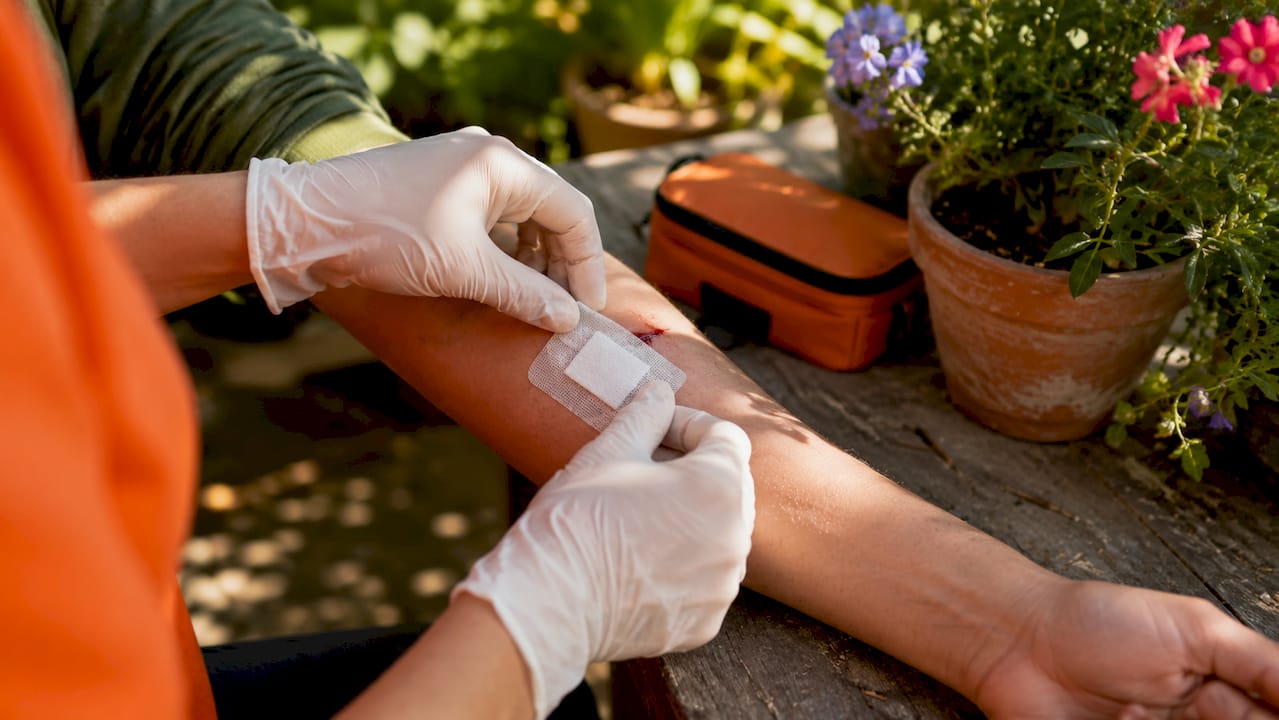
The moist wound healing approach is now the clinical standard. Maintaining a moist wound environment accelerates healing, reduces scarring, and prevents new tissue from tearing away when you change the dressing. Many people still believe wounds should air out. That belief slows recovery.
Dressing choices matter more than most people realize:
Hydrocolloid dressings create a gel layer that maintains moisture and protects against contamination
Foam dressings absorb moderate exudate while keeping the wound surface moist
Silicone-based dressings minimize trauma on removal and are ideal for sensitive or healing skin
Non-adherent dressings prevent sticking and reduce pain during changes
Change dressings when they become saturated, when the wound leaks through, or at least every 2–3 days. Seek medical advice if you notice increasing redness, warmth, swelling, or discharge with an odor. These are signs of infection that require professional assessment.
For practical guidance on wound recovery techniques, Theregenstore covers cleaning, dressing selection, and what to avoid in detail.
3. How does nutrition and lifestyle impact injury healing?
Nutrition directly controls how fast your body rebuilds damaged tissue. Protein and vitamin C are the two most critical nutrients for tissue repair. Protein provides the amino acids your body uses to rebuild collagen and muscle fibers. Vitamin C activates the enzymes that synthesize collagen. Without adequate amounts of both, healing slows regardless of what else you do.
Protein-rich foods that support recovery include lean meats, fish, eggs, legumes, and dairy. Vitamin C sources include citrus fruits, bell peppers, broccoli, and strawberries. Eating a varied diet that covers both nutrients is the most direct nutritional step you can take.
Sleep is equally non-negotiable. 7–9 hours of quality sleep nightly supports growth hormone release, which drives tissue repair. Poor sleep can extend healing time by 25% or more. That is a significant delay caused by something fully within your control.
Prioritize sleep consistency by going to bed and waking at the same time each day
Limit alcohol during recovery, as it disrupts sleep quality and impairs immune function
Stay hydrated since water transports nutrients to injury sites and removes waste products
Quit smoking if applicable. Smoking constricts blood vessels and triples healing time while dramatically increasing complication risk
Pro Tip: Add a collagen peptide supplement to your morning routine during active recovery. Collagen synthesis peaks roughly 1 hour after vitamin C intake, so pair them together for better results.
4. How can pain management support functional recovery?
The goal of pain management during injury recovery is not to eliminate pain completely. The goal is to reduce pain enough to allow movement. Pain management goals have shifted toward controlled reduction that supports function, using the minimum medication needed to stay mobile.
Pain specialists recommend acetaminophen over NSAIDs like ibuprofen for safer short-term pain control. NSAIDs reduce inflammation, but inflammation is part of the healing signal. Suppressing it too aggressively can slow tissue repair, particularly in the early recovery phase.
Nonpharmacological methods are equally effective and carry no side effects. Mindfulness, distraction, and virtual reality reduce pain catastrophizing and improve rehabilitation outcomes. Pain catastrophizing, the tendency to expect the worst from pain, is one of the strongest predictors of chronic pain development.
“The shift in pain management is about enabling movement, not masking it. Patients who stay functional during recovery consistently show better long-term outcomes than those who rest until pain-free.”
Natural ointments also play a supporting role. The role of ointments in recovery is covered in detail at Theregenstore, including how plant-based topical options can reduce localized discomfort without interfering with the healing process.
Balancing pain control with function prevents the cycle of over-medication and under-movement that leads to chronic pain. Stay mobile, use the least intervention necessary, and treat pain as a signal rather than a stop sign.
Key takeaways
Effective injury recovery requires combining optimal loading, proper wound care, targeted nutrition, and controlled pain management rather than relying on rest alone.
Point | Details |
Replace rest with optimal loading | The POLICE framework outperforms RICE by using controlled movement to stimulate tissue repair. |
Keep wounds moist, not dry | Moist dressings accelerate healing and reduce scarring compared to letting wounds air out. |
Prioritize protein, vitamin C, and sleep | These three factors directly control tissue repair speed and recovery timeline. |
Use minimum effective pain relief | Acetaminophen and nonpharmacological methods support movement without suppressing healing signals. |
Meet criteria before returning to activity | Strength symmetry of 90%+ compared to the uninjured side is the standard return-to-sport benchmark. |
What I have learned from watching people recover well and poorly
The biggest mistake I see is treating rest as the default. People assume that doing less means healing faster. The research says the opposite. Controlled movement, even gentle range-of-motion work in the first 48 hours, consistently produces better outcomes than waiting for pain to disappear before moving.
The second mistake is ignoring the basics. Nutrition and sleep are not supplementary. They are the foundation. I have seen people follow every physical therapy protocol correctly and still recover slowly because they were sleeping five hours a night and eating poorly. The body cannot rebuild tissue it does not have the raw materials for.
Holistic therapies like mindfulness and movement therapy address emotional well-being alongside physical repair. That matters more than most clinical protocols acknowledge. Pain catastrophizing is real, and addressing it early changes outcomes.
My honest recommendation is to combine evidence-based protocols with natural, chemical-free wound care products that support the body’s own repair process. Traditional and natural healing methods work best when they complement professional medical care, not replace it. Get a diagnosis, follow a criteria-based rehab plan, feed your body well, sleep, and use products that work with your biology rather than against it.
— Kyle
Natural wound care that fits your recovery plan
Recovery works best when every element supports the same goal. Your movement protocol, your nutrition, and your wound care products should all be working in the same direction.
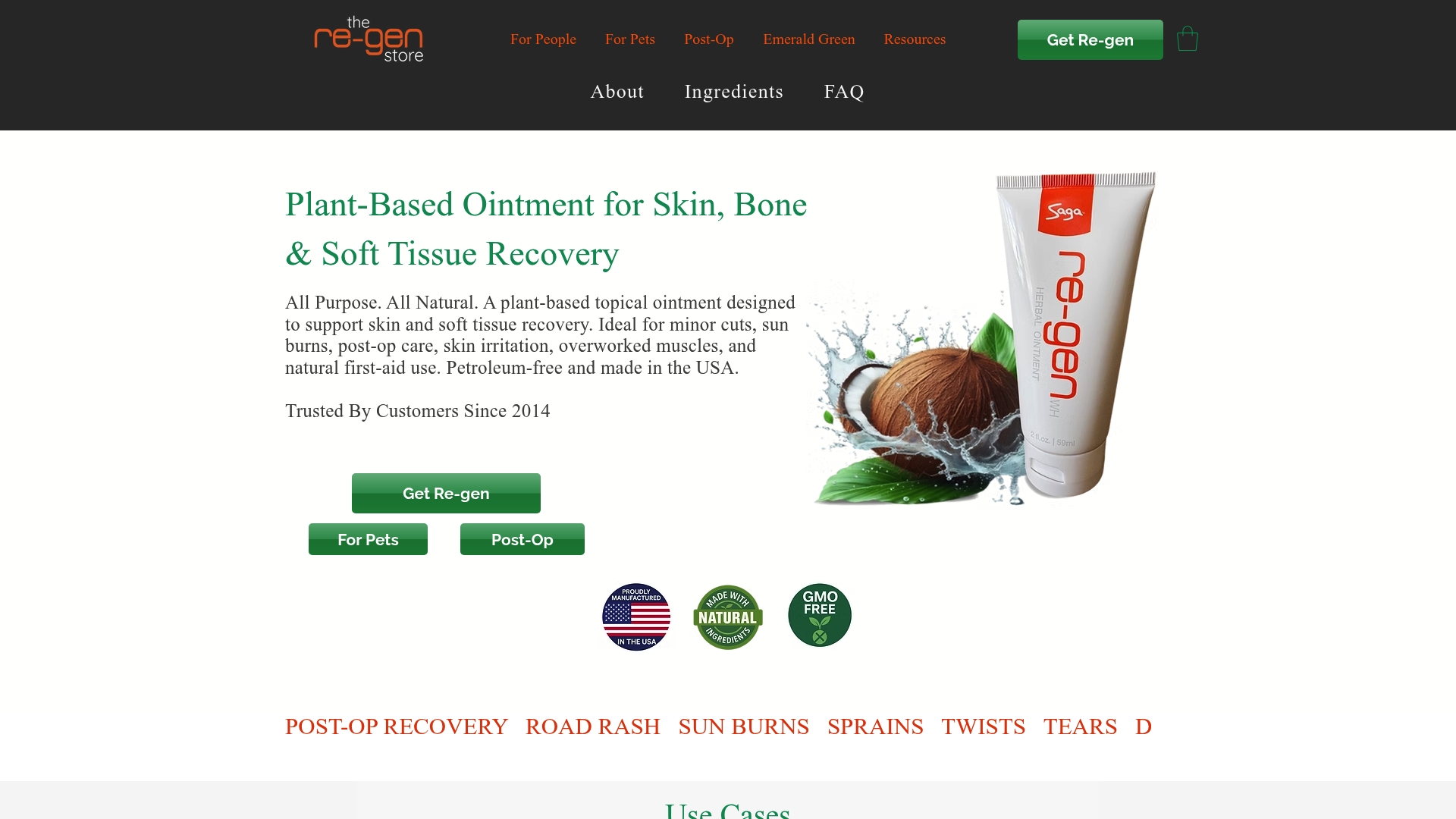
Theregenstore offers a line of petroleum-free, plant-based wound treatments designed to support tissue repair without synthetic chemicals. The Re-gen ointment is formulated to maintain the moist wound environment that clinical evidence supports, using herbal ingredients that work with your body’s natural healing process. For those recovering from cuts, sprains, burns, or post-operative wounds, it fits directly into the evidence-based approach covered throughout this article. You can explore the full range at Theregenstore and find the right option for your recovery stage.
FAQ
What is the POLICE framework for injury recovery?
POLICE stands for Protection, Optimal Loading, Ice, Compression, and Elevation. It replaces the older RICE method by emphasizing controlled early movement over complete rest to accelerate tissue repair.
How do I clean a wound properly?
Clean wounds with sterile saline or lukewarm water. Avoid hydrogen peroxide and alcohol, as both damage the healthy cells needed for tissue repair.
Does sleep really affect how fast injuries heal?
Yes. Poor sleep can extend healing time by 25% or more by disrupting growth hormone release. Aim for 7–9 hours nightly during active recovery.
What foods help injuries heal faster?
Protein-rich foods like lean meats, fish, eggs, and legumes provide the amino acids needed for tissue rebuilding. Vitamin C from citrus fruits and bell peppers supports collagen synthesis.
Is it safe to use natural ointments during injury recovery?
Plant-based topical ointments that maintain a moist wound environment are consistent with evidence-based wound care guidelines. Theregenstore’s Re-gen ointment uses herbal ingredients designed to support healing without synthetic chemicals or petroleum-based ingredients.
Recommended
Comments