
How to Heal Wounds Naturally: Proven Methods

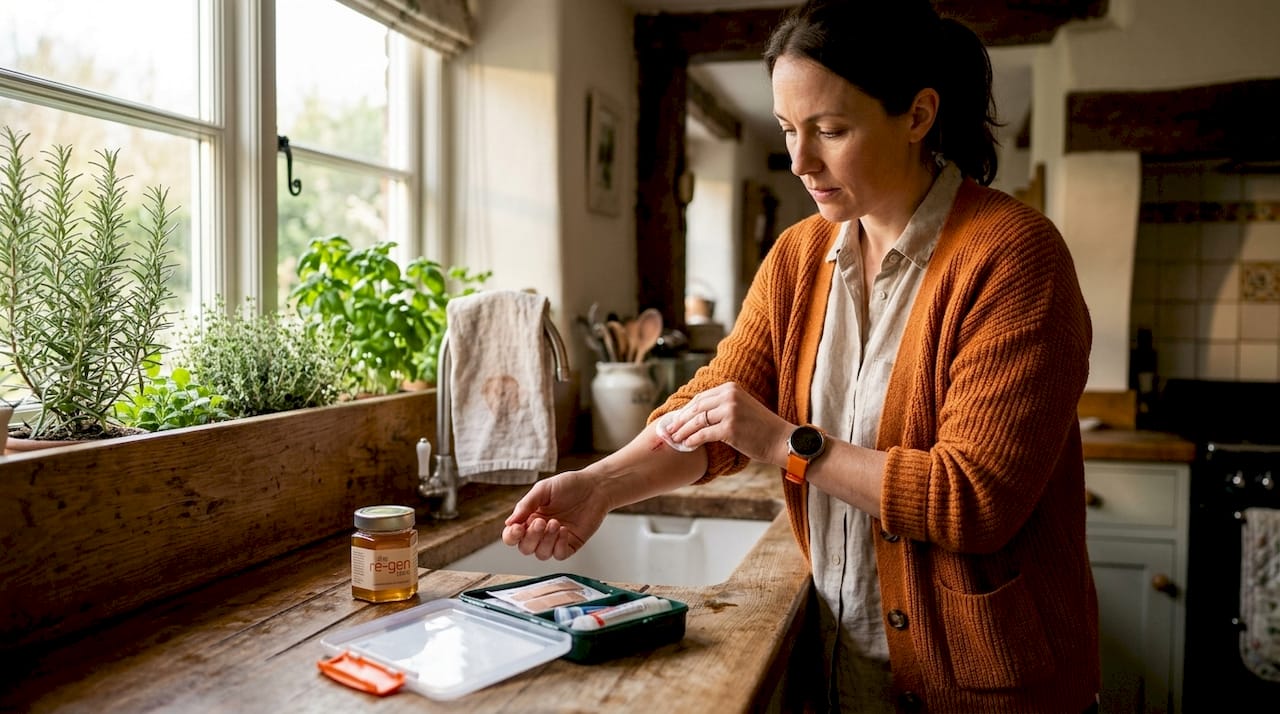
If you’re tired of reaching for chemical-laden ointments every time you get a cut, burn, or scrape, you’re not alone. Learning how to heal wounds naturally is both practical and backed by solid clinical evidence. The right natural approach does not just avoid harsh chemicals. It actively supports the body’s own repair process, often producing faster results with less irritation. This article walks you through exactly what works, what to avoid, and how to build a safe, effective natural wound care routine.
Table of Contents
Key takeaways
Point | Details |
Work with your biology | Natural remedies are most effective when matched to the correct stage of wound healing. |
Skip hydrogen peroxide | Alcohol and peroxide damage healthy tissue and slow recovery. Use saline or clean water instead. |
Medical-grade honey works | Clinical studies show honey can reduce healing time significantly compared to conventional treatments. |
Nutrition accelerates healing | Protein, vitamin C, and zinc are non-negotiable if you want your body to repair tissue efficiently. |
Know your limits | Wounds that do not improve within one to two weeks need professional evaluation, not more home remedies. |
How wounds heal naturally
Wound healing proceeds in four stages, each with a specific biological purpose. Understanding these stages helps you choose the right natural remedy at the right time.
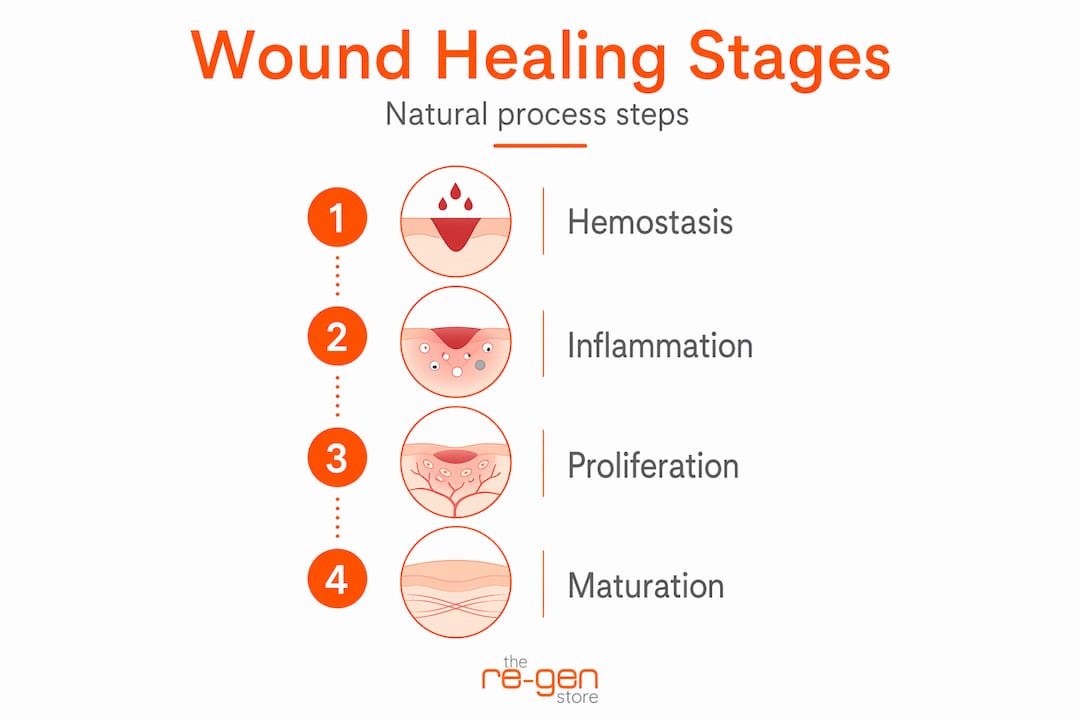
Hemostasis kicks off within seconds of injury. Blood vessels constrict and platelets clump together to stop bleeding. Inflammation follows, bringing white blood cells to the site to clear debris and bacteria. This stage looks alarming with its redness and swelling, but it is necessary. Proliferation is where real repair happens: new tissue forms, collagen is laid down, and the wound begins to close. Finally, remodeling can last months as collagen fibers reorganize and the scar matures.
Natural interventions work best when they support these phases rather than disrupt them. For example, keeping the wound moist supports epithelial migration during proliferation. A moist wound environment accelerates healing and reduces scarring by promoting collagen synthesis. Overly dry wounds form hard crusts that slow tissue migration. Overly wet wounds risk maceration. The goal is balance.
Factors that delay healing include poor nutrition, smoking, chronic stress, and uncontrolled infection. Each of these disrupts one or more stages. Natural care, when done correctly, addresses several of these factors at once.
Pro Tip: Do not confuse normal inflammation (mild warmth and redness for two to three days) with infection. Removing that inflammation too aggressively with strong antiseptics will delay the healing you are trying to speed up.
Preparing wounds before treatment
Before you apply any remedy, the wound environment must be clean and stable. This step matters more than most people realize.
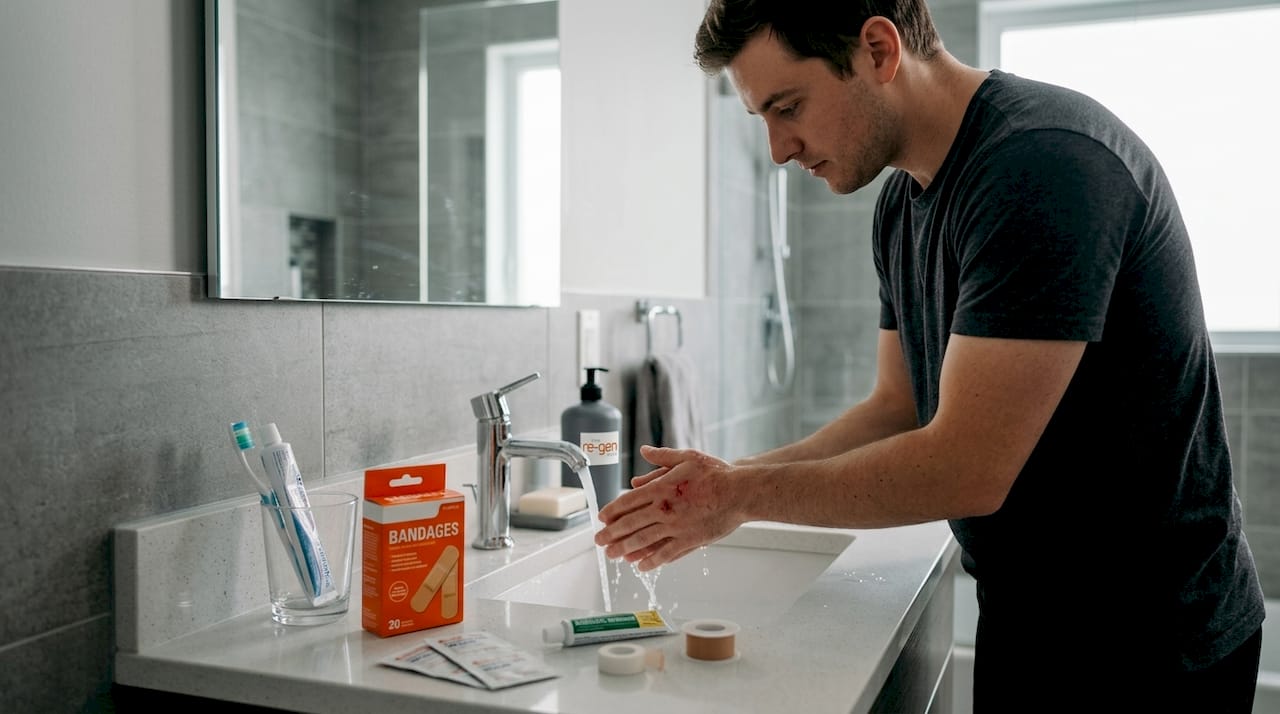
Start by washing your hands thoroughly. Then clean the wound itself. Hydrogen peroxide and rubbing alcohol damage healthy cells and delay healing, so avoid them entirely. Use saline solution or clean running water instead. Gently remove visible debris. Do not scrub.
Here is a quick comparison of common cleaning options:
Cleansing method | Effect on tissue | Recommended? |
Clean running water | Gentle, removes debris without damage | Yes |
Saline solution | Gentle, mimics body fluid, supports healing | Yes |
Hydrogen peroxide | Destroys healthy cells, delays healing | No |
Rubbing alcohol | Dries tissue, impairs repair process | No |
Iodine (undiluted) | Cytotoxic at full strength | No |
Once cleaned, your dressing choice matters. Look for options that maintain moisture without trapping excess fluid. Non-adherent gauze with a breathable cover works well for most minor wounds. Change dressings at least once daily or whenever they become saturated.
Here are the core supplies to keep ready:
Sterile saline or clean water for rinsing
Non-adherent sterile gauze pads
Medical tape or self-adhering wrap
Clean scissors for sizing dressings
Your chosen natural topical remedy (covered in the next section)
Applying natural remedies step by step
This is where natural wound healing remedies move from theory into practice. Each remedy below has clinical support. Use them correctly, and they perform.
Medical-grade honey. This is not grocery store honey. Medical-grade formulations like Manuka have controlled pH and antimicrobial properties. Medical-grade honey can reduce healing time by up to 40 days compared to conventional treatments. Apply a thin layer directly to the wound bed, cover with a non-stick dressing, and change every 24 to 48 hours depending on exudate levels.
Pharmaceutical aloe vera gel. The clear inner gel from Aloe barbadensis has documented anti-inflammatory and moisturizing properties. Use pure, food-grade or pharmaceutical-grade gel. Avoid products with added fragrance or alcohol. Apply a thin layer after cleaning and allow a brief drying moment before covering.
Chitosan-based dressings. Derived from shellfish shells, chitosan supports hemostasis, fights bacteria, and encourages tissue regeneration. In clinical trials, chitosan dressings showed zero infections in 34 treated wounds, compared to a 92.5% infection rate in control groups. These are available as ready-made dressings.
Calendula preparations. Calendula officinalis creams have strong evidence for anti-inflammatory and antimicrobial activity. Apply to clean wounds twice daily. Avoid on deep punctures where you need the surface to close last.
Cannabinoid preparations. Clinical evidence supports cannabinoid use for chronic wounds, accelerating healing through inflammation control. These are especially useful when conventional care has stalled.
Here is a quick reference comparing remedy profiles:
Remedy | Best use case | Application frequency |
Medical-grade honey | Infected or slow-healing wounds | Every 24 to 48 hours |
Aloe vera gel | Minor burns, abrasions | Two to three times daily |
Chitosan dressing | Wounds at high infection risk | Every 24 to 48 hours |
Calendula cream | Inflammatory or surface wounds | Twice daily |
Cannabinoid preparation | Chronic or stalled wounds | Per product guidance |
Pro Tip: Plant-based healing herbs used topically work best when the wound is already clean and moist. Applying them to a dirty or dry wound reduces their effectiveness significantly.
Supporting healing from the inside out
Topical remedies do the external work. What you eat and how you live does the internal work. Both matter.
Nutrition with adequate protein, vitamin C, and zinc is foundational for wound repair. Deficiencies in any of these directly delay tissue regeneration. Protein provides the amino acids your body uses to build new collagen. Vitamin C is required for collagen synthesis itself. Zinc supports immune function and cell division.
Key dietary and lifestyle factors that powerfully influence healing outcomes include:
Protein: Aim for lean meats, eggs, legumes, or Greek yogurt at every meal while healing.
Vitamin C: Citrus, bell peppers, and strawberries are high sources. Supplement if your diet falls short.
Zinc: Found in pumpkin seeds, beef, and chickpeas. A short-term supplement of 15 to 30 mg daily can support acute wound recovery.
Hydration: Tissue repair requires water. Dehydration thickens blood and reduces oxygen delivery to the wound site.
Sleep: Growth hormone, which drives tissue repair, releases primarily during deep sleep. Seven to nine hours matters during active healing.
Smoking: Smoking and stress impair immune response and significantly slow wound closure. Even short-term cessation during recovery helps.
Light movement, such as a short daily walk, improves circulation and tissue oxygenation without stressing the wound.
Recognizing problems and when to get help
Natural remedies complement proper care. They do not replace professional evaluation when warning signs appear.
Watch for these signs of infection or complications:
Increasing redness spreading beyond the wound edges
Warmth, significant swelling, or a throbbing sensation
Pus or foul-smelling discharge
Fever above 100.4°F (38°C)
Red streaks extending from the wound (this requires urgent care)
Natural remedies should complement proper wound cleaning and dressings, not replace medical care. Use them as part of a complete protocol.
Any wound that does not show clear improvement within one to two weeks needs professional evaluation. Deep puncture wounds, animal bites, and heavily contaminated injuries also require a tetanus check. Tetanus boosters are typically recommended every five to ten years depending on contamination risk.
Post-operative wound care follows the same principles with one added layer of caution: always confirm with your surgeon before changing your dressing protocol.
My honest take on natural wound care
I’ve watched people go two directions with natural wound care. One group dismisses it entirely, assuming anything without a pharmaceutical label must be weak. The other group swings the opposite way, putting raw garlic or undiluted tea tree oil on open wounds because “it’s natural.”
Both approaches get results wrong.
In my experience, the most effective natural wound care is disciplined. Medical-grade honey and chitosan dressings are not folk remedies. They are clinically validated tools that outperform conventional options in specific scenarios. What I’ve found is that people who take those seriously, clean the wound properly, support their nutrition, and sleep well do better than those chasing the trendiest DIY concoction.
The biggest mistake I see is skipping wound preparation and jumping straight to the remedy. The remedy is not doing much work on a dirty, dry wound. Get the environment right first.
I’ve also learned to respect the limits. Natural care is genuinely excellent for minor to moderate wounds, post-operative recovery support, and chronic wounds that are stuck. For deep lacerations, bites, or any wound showing systemic signs, get to a professional first and use natural methods to support recovery afterward. That balance is what actually works.
— Kyle
Natural wound care products from Theregenstore
If you want a ready-to-use natural option that removes the guesswork, Theregenstore’s Re-gen ointment was built for exactly this. It is petroleum-free, plant-based, and formulated to support skin and soft tissue recovery without synthetic chemicals.

Re-gen is designed as a natural alternative to conventional antibiotic ointments, using herbal ingredients selected for their regenerative properties. It works for cuts, burns, post-operative wounds, and even pet injuries. You can explore the full range of plant-based wound treatments at Theregenstore, or go directly to the Re-gen regenerative ointment product page to see the ingredient list, usage guidelines, and customer results.
FAQ
What is the fastest natural way to heal a wound?
Keeping the wound clean, moist, and covered while using a clinically supported remedy like medical-grade honey or chitosan dressing produces the fastest natural results. Adequate protein, vitamin C, and zinc intake also accelerate tissue repair from the inside.
Can you use essential oils directly on open wounds?
Most undiluted essential oils are too concentrated for direct application on open wounds and can damage tissue. If you use essential oils, dilute them in a carrier oil and apply only to the wound edges, not the wound bed itself.
How do you care for post-op wounds naturally?
Clean with saline, keep the area moist with a non-petroleum topical like aloe vera or a plant-based ointment, and cover with a non-adherent dressing. Always confirm any changes to your dressing protocol with your surgeon before making them.
Are natural wound remedies safe for pets?
Many plant-based options are safe for pets, but always verify that the specific ingredient is non-toxic for your animal. Products formulated without essential oils or synthetic chemicals are generally the safest choice for supporting pet wound healing naturally.
When should you stop using natural remedies and see a doctor?
Stop and seek professional care if you see spreading redness, red streaks, fever, pus, or no improvement within one to two weeks. Deep punctures, animal bites, and contaminated wounds need medical evaluation regardless of home treatment applied.
Recommended
Comments